
Cesare Simioni, B&W Grand Winner of the Pure Street Photography Awards 2026, Celebrated for Honouring the Lives Within His Photographs and Preserving the Soul of People, Faith and Tradition
An Exclusive Interview with Pure Street Photography
Discover how Cesare’s years photographing communities across Brazil taught him that a photograph is only one moment in a life that continues beyond the frame, inspiring an approach shaped by patience, trust and the relationships he builds with the people and traditions he returns to photograph.
Interview by Dimpy Bhalotia and Kamal Kumaar Rao
6/10/2026
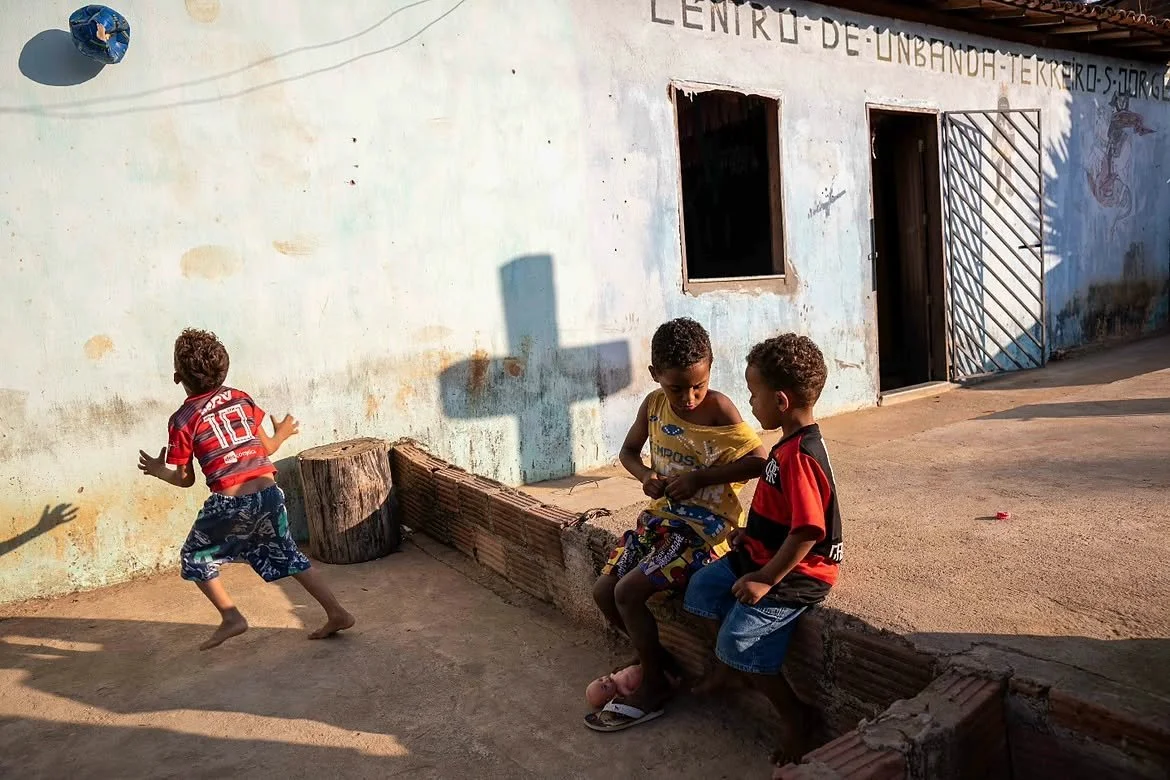
(c) Cesare Simioni
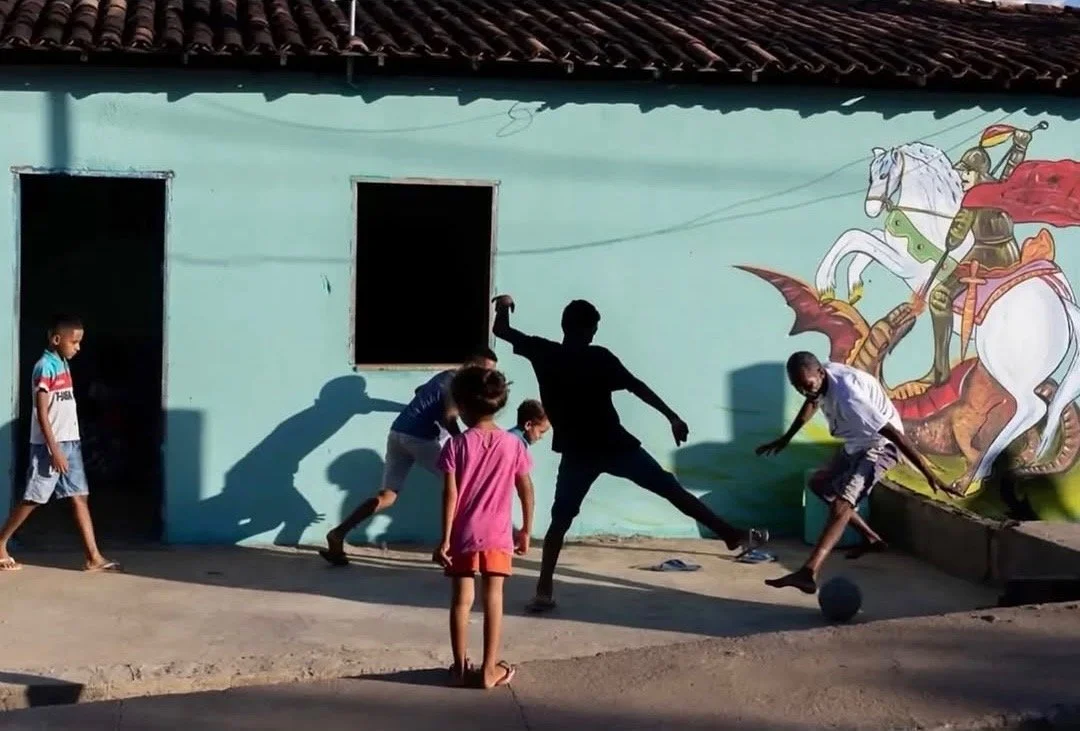
(c) Cesare Simioni
Congratulations on being awarded Grand Winner B&W at the Pure Street Photography Awards 2026, Cesare! How does it feel to see your photograph go from an award submission to an internationally recognised winning image, receive worldwide press coverage from The Guardian to Forbes, and now be exhibited in Jaipur, India, in November 2026?
Thank you very much. This journey has been a very meaningful experience for me. When I submitted my photograph, I did so simply because I believed in the image and in what it represented. I never imagined that it would be selected as one of the winners.
Being recognized by the Pure Street Photography Awards is a great satisfaction and an encouragement to continue photographing in the way I believe in: observing, being patient, and looking for authentic moments in everyday life.
Having the photograph exhibited internationally in Jaipur is especially meaningful to me. I am an Italian-Brazilian photographer, and much of my work is connected to the people, culture, and everyday life of Brazil. Knowing that one of these images will travel to India and be seen by an international audience is something that makes me very happy and proud.
For me, recognition like this is not only about the award itself. It is also an opportunity for the photograph to continue its journey, to reach new people, and perhaps to create a connection between different cultures through photography. I’m very grateful for this opportunity and excited to see the photograph exhibited in Jaipur in November.
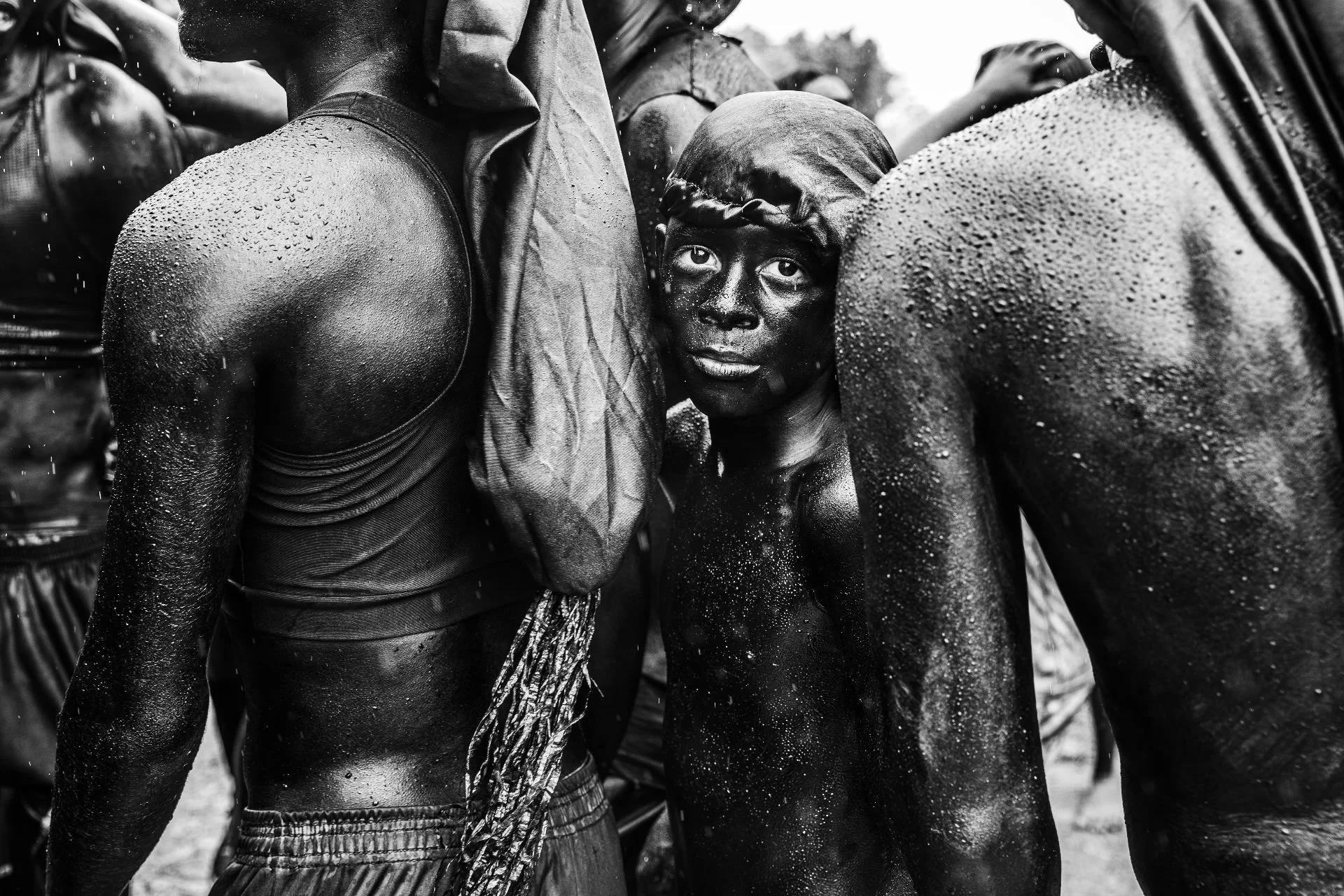
(c) Cesare Simioni (Brazil), Grand Winner, "Soul Beneath the Paint”
We would love to know more about you! Who you are and where you're from? When did you start street photography?
Originally from Italy and based in Brazil since 1998, I have been developing my work as a documentary photographer with a sensitive and committed perspective on reality. My intense experience in the interior of the country was decisive in building my own visual language, capable of capturing the essence of the people, places, and traditions.
I began my career photographing landscapes, but it was in documenting popular Brazilian culture — especially religious festivals and manifestations of faith in rural communities — that I discovered my true vocation and the greatest recognition for my work.
Self-taught, I base my practice on constant study and the inspiration of photography masters like Ernesto Bazan. I seek to portray moments where identity, tradition, and beauty intertwine in a unique way. Actually, street photography has been with me since the very beginning of my photographic journey. It has accompanied me from the start of my experience as a photographer.
What inspired you to become a street photographer?
What inspired me, above all, was the desire to observe and understand people and the world around me. Street photography allows me to capture spontaneous moments, gestures, emotions, and stories that might otherwise disappear. I’m fascinated by the beauty and truth found in everyday life, especially in the streets and communities of Brazil.
How would you describe your work in terms of style and/or approach?
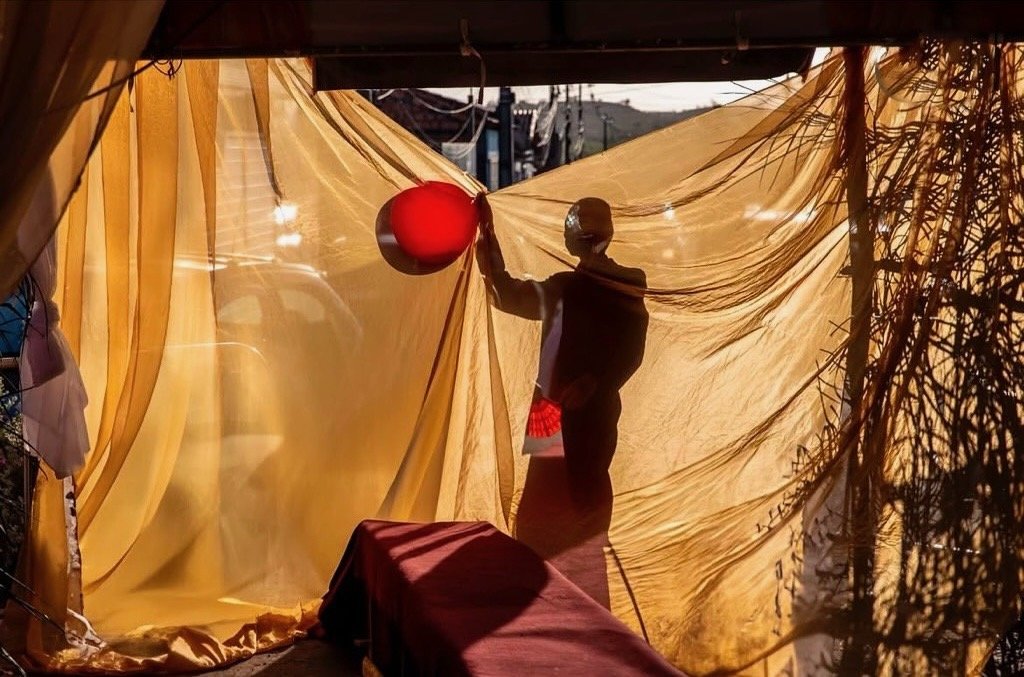
I would describe my work as documentary and deeply connected to the people, places, and traditions I photograph. My approach is spontaneous and observational: I try to be present, attentive, and patient, allowing moments to unfold naturally rather than staging them. I’m particularly interested in cultural and religious traditions and in the everyday life of communities in Brazil. I look for authentic gestures, emotions, and relationships that reveal something about the people and the place. For me, photography is a way of observing, learning, and preserving moments that might otherwise be forgotten.
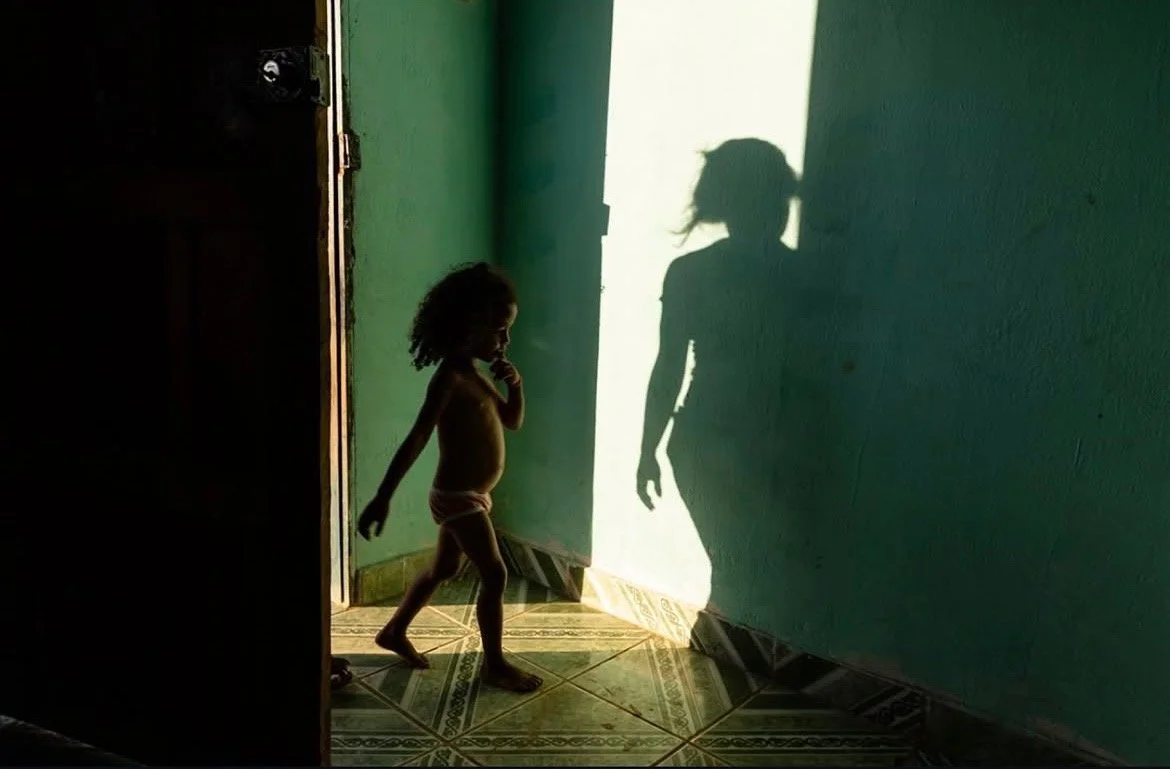
(c) Cesare Simioni
(c) Cesare Simioni
What is your photography routine like? Do you photograph every day?
Photography is a constant presence in my life, although I don’t photograph every day. I try to photograph whenever I have the opportunity, especially when I am travelling or visiting communities and places that spark my interest.
I also work on long-term projects that require me to return to the same places and build relationships over time. For me, photography is not simply about taking photographs. A large part of the process involves observing, researching, talking to people, and understanding the context in which I am working.
That is why, even when I don’t have a camera in my hands, I often find myself thinking about photography, observing, and paying attention to what is happening around me.
What camera or mobile device do you use for photography? Do you shoot digitally, on film, or a mix of both?
Canon R6II, canon Eos MKIV e fuji100vi only digitally.
What challenges do you face when photographing on the street?
One of the biggest challenges for me is approaching people and entering their world without interfering with what is happening. I believe that street photography requires respect, sensitivity, and patience.
In many of the communities and cultural or religious celebrations I photograph, building trust is essential. I often return to the same places and spend time with people before photographing. This allows me to become less of a stranger and more of a familiar presence.
Another challenge is simply waiting for the right moment. Sometimes you can spend hours observing without taking a single photograph. But when the right gesture, light, expression, or interaction happens, everything comes together. For me, that patience is an important part of the process.
Do you ever wonder what happens to the people in your photos?
Yes, very often. When I photograph someone, especially when I have had the opportunity to spend time with them, I become curious about their lives and what happens to them after that moment.
Because I often return to the same communities and places, I sometimes have the opportunity to meet the same people again. I enjoy seeing how their lives change over time and, in some cases, how the children I photographed grow up.
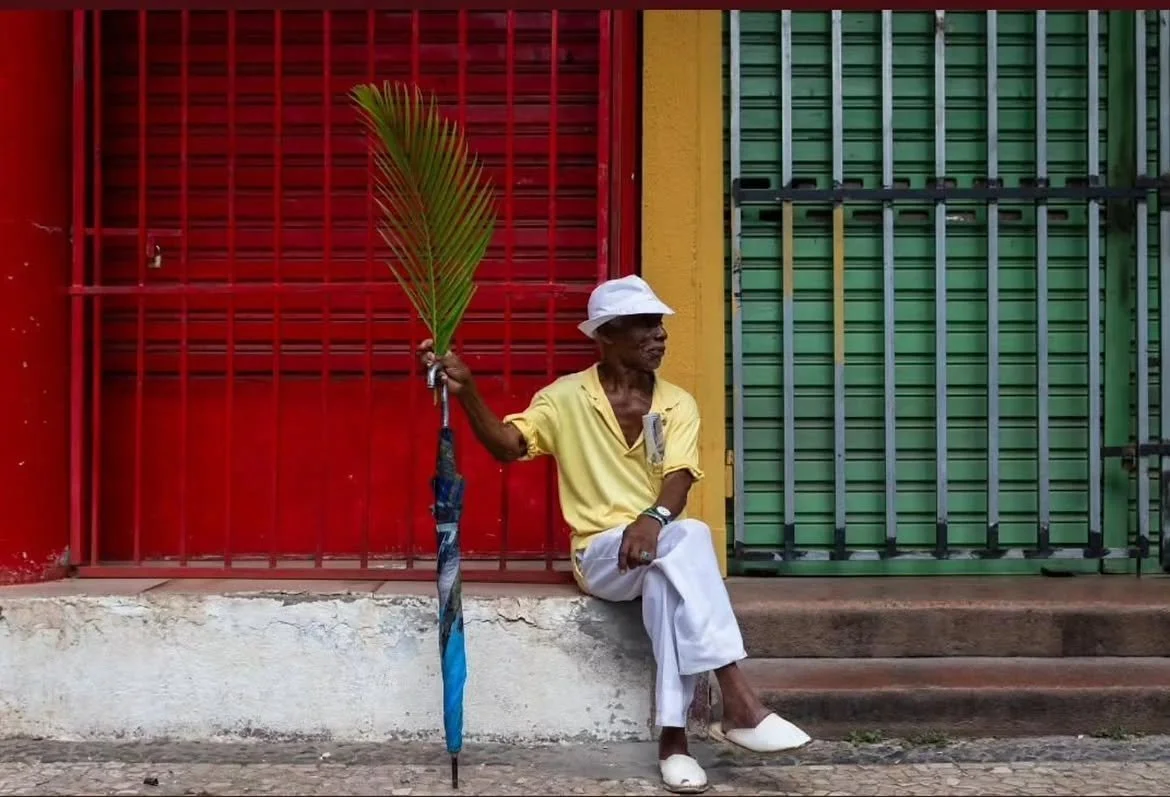
For me, this is one of the most meaningful aspects of photography. The photograph may capture a single moment, but the person continues living beyond that frame. When possible, I like to maintain these connections, because they remind me that photography is ultimately about people and relationships, not only about images.
(c) Cesare Simioni
(c) Cesare Simioni
In your opinion, what is the biggest misconception people have about street photography?
I think one of the biggest misconceptions is that street photography is simply about photographing strangers in public places. For me, it is much more than that.
Street photography is about observation, patience, and being able to recognize meaningful moments in everyday life. It is about understanding the environment, the people, the relationships, and the stories that are unfolding around you.
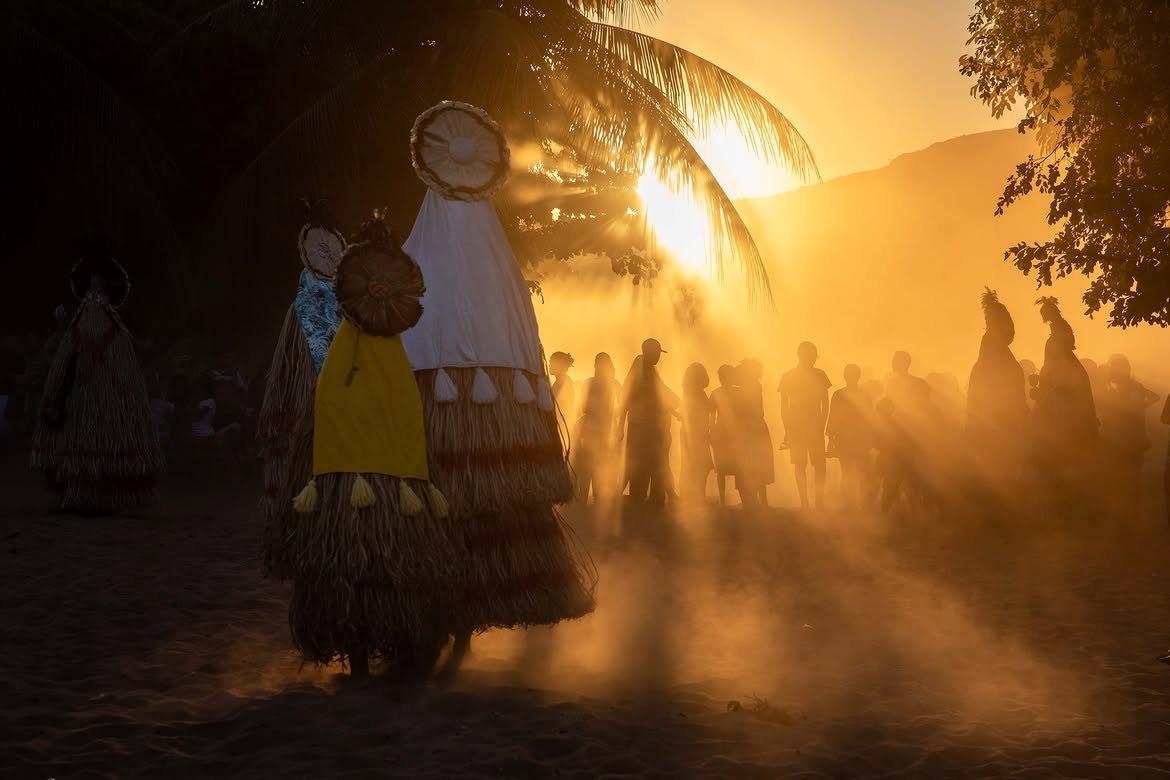
I also believe that street photography doesn’t necessarily have to be made in a big city or in a busy urban environment. Some of my most meaningful photographs have been made in small communities, religious celebrations, and cultural traditions in the interior of Brazil.
For me, street photography is ultimately about being present and attentive to life as it happens.
What are your favourite elements to capture in a street photograph? (light, colour, composition, human interaction, etc.)
Human interaction is probably the element that attracts me the most. I’m fascinated by gestures, expressions, looks, and the relationships between people. These small and often spontaneous moments can reveal something very profound about a person or a place.
Light is also extremely important to me. I’m always looking for the way light interacts with people and their surroundings, creating atmosphere and giving meaning to a scene. Composition naturally follows from this, as I try to bring all these elements together within the frame.
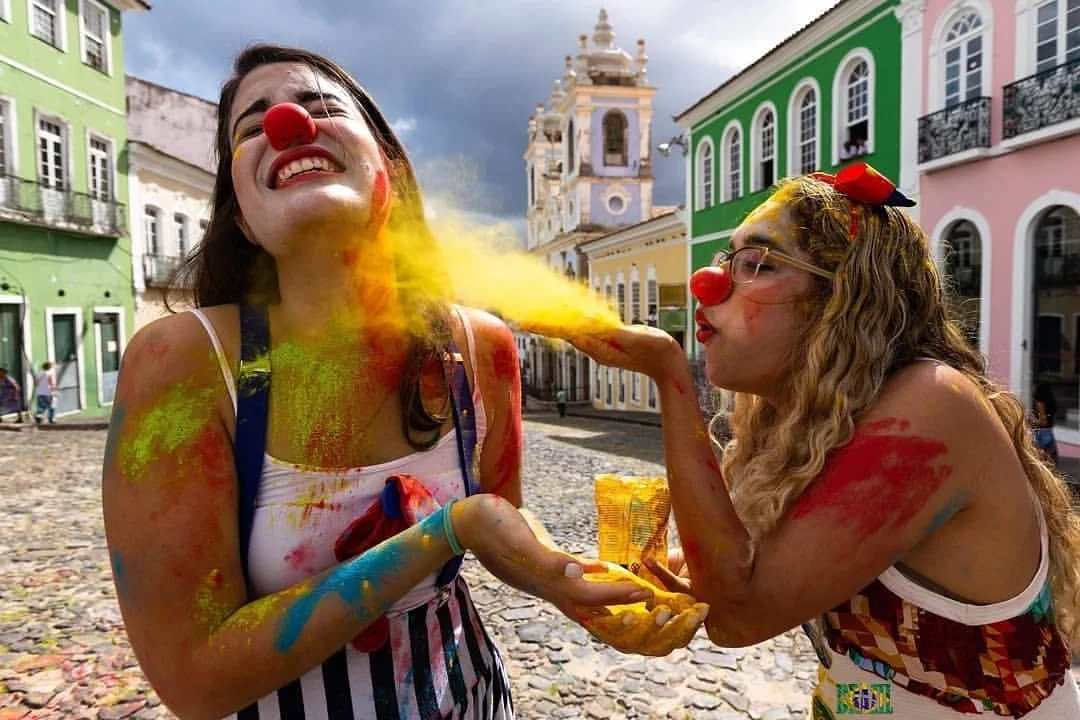
Colour can also play an important role, especially when I photograph Brazilian cultural and religious celebrations. But ultimately, I’m always looking for something beyond aesthetics: a moment that has emotion, truth, and a story behind it.
What is your take on social media influence on street photography?
I think social media has had a very important influence on street photography, especially by making it possible for photographers from different parts of the world to share their work and reach audiences they might never have reached otherwise.
At the same time, I think there is a risk of becoming too influenced by what gets attention and engagement. Sometimes photographers may start looking for images that work well on social media rather than following their own vision.
For me, social media is a useful tool for sharing my work, but it should not determine what I photograph or how I photograph it. I try to stay focused on my own way of seeing and on the stories and people that genuinely interest me. Photography, for me, needs to exist beyond likes and algorithms.
Are your prints available for purchase? If so, where can art buyers and collectors contact you to purchase them?
Yes, my prints are available for purchase. I work directly with collectors, photography lovers, and people interested in acquiring my work.
I prefer to speak personally with each buyer, as I can provide information about the different images, print sizes, editions, and finishing options.
Anyone interested in purchasing my photographs can contact me directly through Instagram, @cesaresimioni, or by private message. I’m always very happy to talk with people who are interested in collecting and living with photography
(c) Cesare Simioni
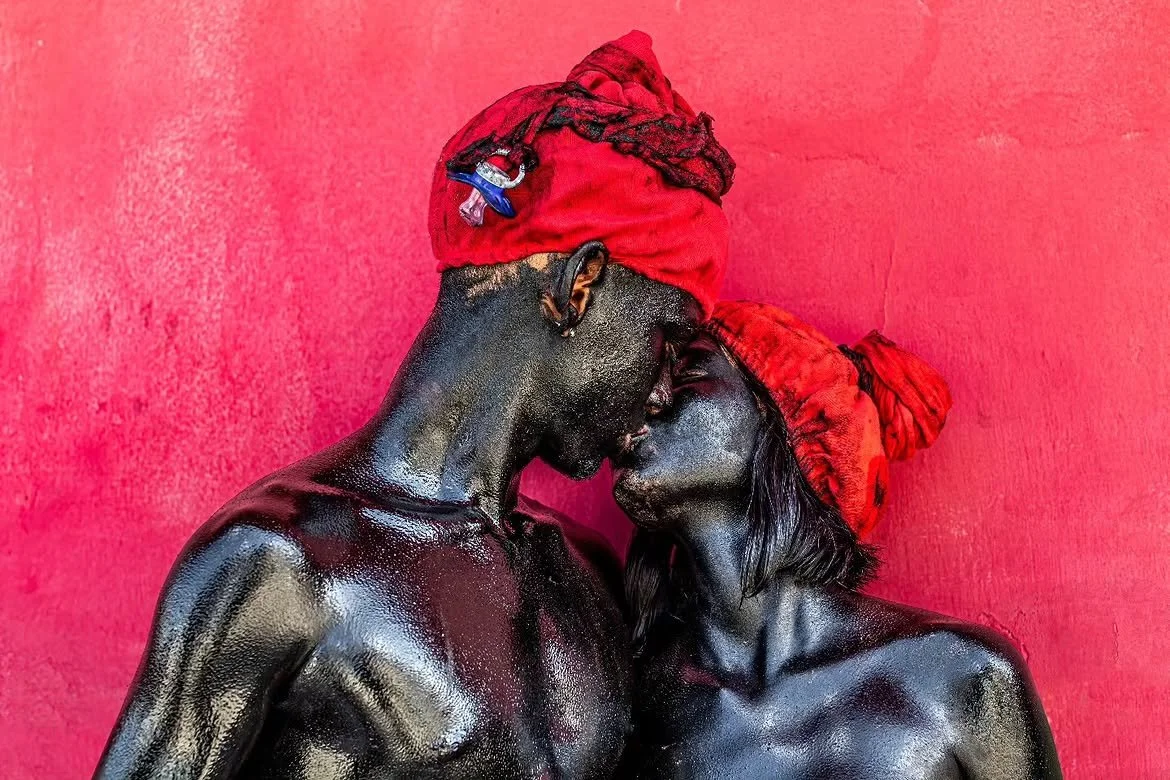
(c) Cesare Simioni
What advice would you give to aspiring photographers?
My advice would be to photograph as much as possible and, above all, to develop your own way of seeing. Study the work of photographers you admire, but don’t try to become another photographer. Use their work as inspiration to find your own voice.
Be patient. Good photography takes time, and sometimes you need to return to the same place many times before making the photograph you are looking for. Get close to people, listen to them, and try to understand the world you are photographing.
I would also say not to become too concerned with recognition, likes, or competitions. They can be wonderful and encouraging, but they should not be the reason you photograph.
Most importantly, photograph what genuinely moves you. If you are curious about the world and willing to keep learning, photography can become a lifelong journey.
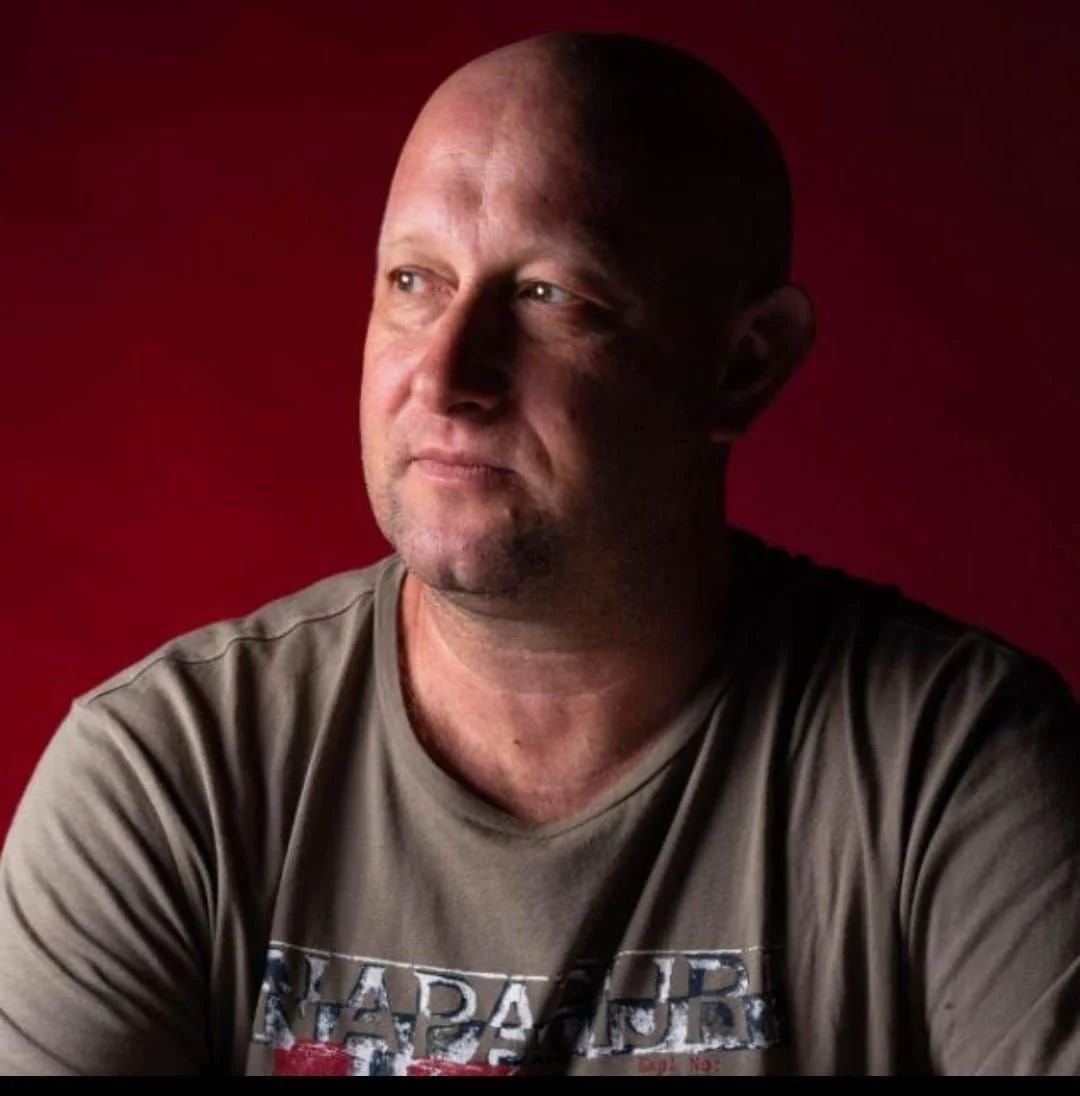
In Frame : Cesare Simioni