
Chris Mozyro, First Place B&W Winner of the Pure Street Photography Awards 2026, Celebrated for Finding Human Connection in Moments That Almost Disappear
An Exclusive Interview with Pure Street Photography
Discover how Chris turns fleeting human interactions into lasting photographs, including the remarkable story of how an unposed moment between young sailors on a London street travelled around the world before finding its way back to the people within the frame.
Interview by Dimpy Bhalotia and Kamal Kumaar Rao
5/10/2026
(c) Chris Mozyro
(c) Chris Mozyro
Congratulations on being awarded Second Place B&W Winner at the Pure Street Photography Awards 2026, Chris! How does it feel to see your photograph go from an award submission to an internationally recognised winning image, receive worldwide press coverage from The Guardian to Forbes, and now be exhibited in Jaipur, India, in November 2026?
I’m grateful that my photo "From Salute to Cheers" connected with the judges. I made the photograph in Westminster after seeing young submariners together following a remembrance ceremony. What stayed with me was the shift from formality to friendship: a moment of warmth and connection that unfolded naturally. Submitting a photograph always means letting other people find their own meaning in it. To see this one recognised, and to know it will be shown in Jaipur in November, is deeply encouraging. I’m especially pleased that a quiet, unposed moment made on a London street can meet viewers so far away.
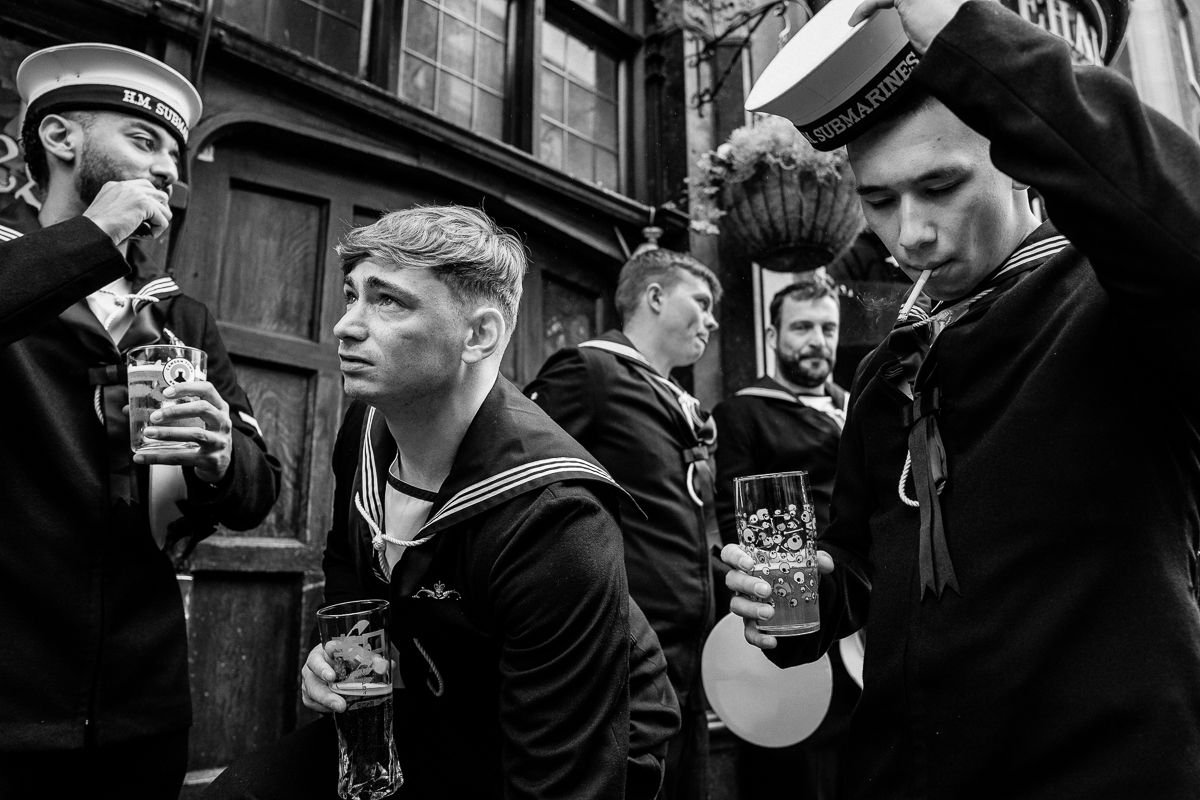
(c) Chris Mozyro (United Kingdom), First Place Winner, “From Salute to Cheers”
We would love to know more about you! Who you are and where you're from? When did you start street photography?
My journey into photography began in 2018, when I joined a photography group in London and met photojournalist Mariusz Śmiejek. I attended several of his workshops, and photography soon became a meaningful part of my life. I was especially drawn to street and documentary photography: both gave me a way to observe people and the moments unfolding around me. I was born in Lithuania to Polish parents, but London has been my home for more than 20 years, and it’s where I take most of my photographs.
What inspired you to become a street photographer?
I was drawn to the unpredictability of street photography. Nothing is staged, and I can leave home with my camera without knowing what I’ll find. I walk, watch and follow my curiosity. Then, sometimes, an expression, a gesture or an unexpected encounter brings a scene together for a fraction of a second. I love the raw emotion in those moments. People aren’t performing for the camera; they’re living their lives. The challenge of noticing something meaningful before it disappears is what keeps bringing me back to the street.
How would you describe your work in terms of style and/or approach?
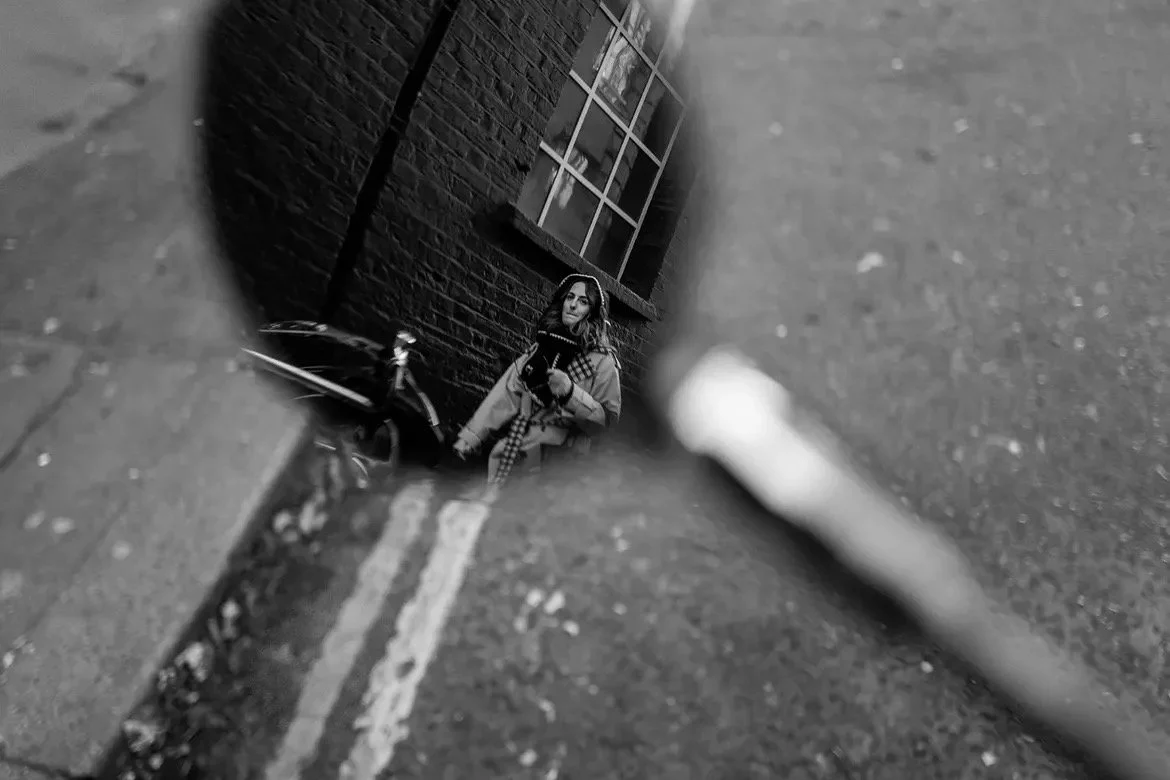
I photograph candidly and try to let a scene remain true to itself. I’m interested in people’s relationships with one another and with their surroundings, especially in moments when they are simply being themselves. I often choose black and white because it helps me concentrate on form, expression and feeling. I keep editing to a minimum.
(c) Chris Mozyro
(c) Chris Mozyro
What is your photography routine like? Do you photograph every day?
Weekends are usually when I’m out photographing. I like to wander through central London and see what catches my eye. During the week, I spend time with the photographs I’ve taken—sorting through them, making any necessary edits, and sharing selected images on social media and other platforms.
What camera or mobile device do you use for photography? Do you shoot digitally, on film, or a mix of both?
I shoot digitally and have photographed with Leica cameras, including the Leica Q and SL2-S
What challenges do you face when photographing on the street?
The hardest part is recognising a moment as it happens. Light, movement and people can align for an instant, then disappear. I also think about how to photograph people with respect and remain aware of what is happening around me.I often photograph protests in London, where crowds can be large, the issues are deeply felt and police interventions can change a situation quickly. That makes the work challenging, but also rewarding when I capture a moment that matters. One example is Opponents, which I photographed during a Black Lives Matter protest in London on 6 June 2020. The photograph went on to win a British Photography Award in the Documentary category.
Do you ever wonder what happens to the people in your photos?
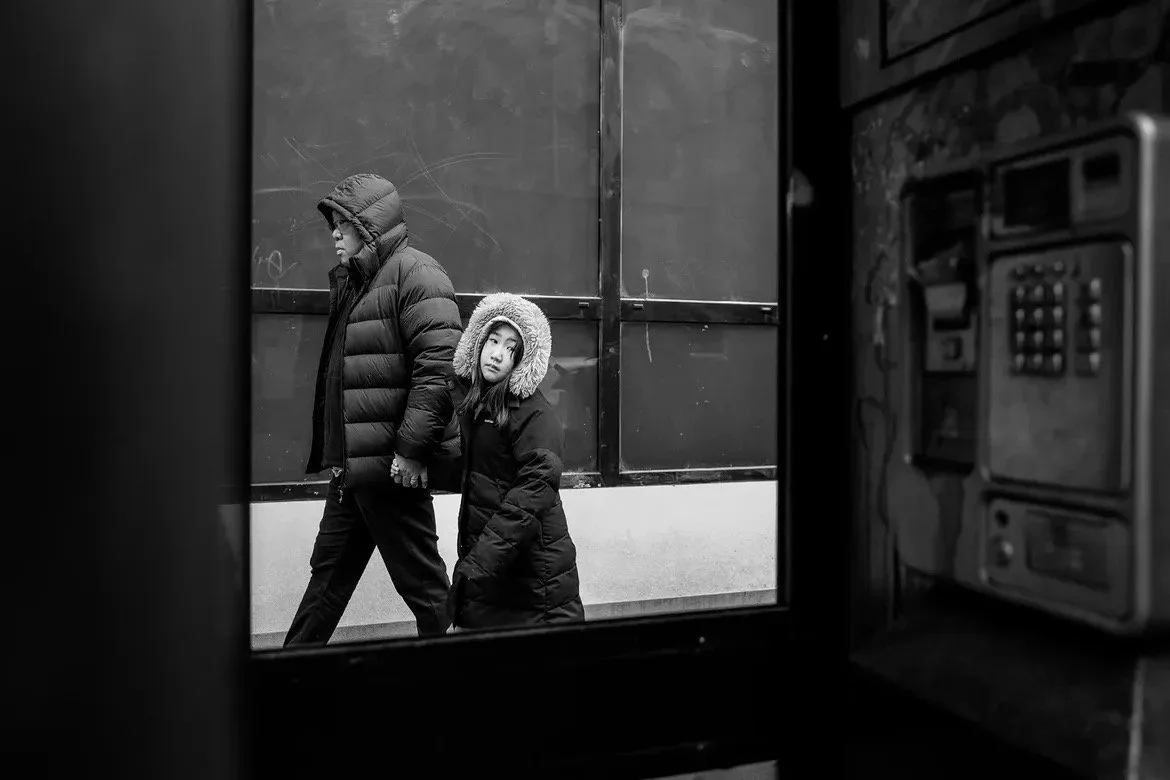
That’s part of the magic of photography: each moment is preserved, and I can return to a picture years later and remember what I saw. I’m sure many of the people I photograph never realise they’ve become part of my work. Occasionally, though, someone recognises themselves. That happened after From Salute to Cheers won a Pure Street Photography Award. The mother of one of the sailors saw the photograph in the media, recognised her son and sent me a lovely message of congratulations. Another person in the group got in touch too. Moments like that mean a great deal to me. They give the photograph a life beyond the instant in which I took it.
(c) Chris Mozyro
(c) Chris Mozyro
In your opinion, what is the biggest misconception people have about street photography?
The biggest misconception is that street photography is simply taking a picture of something happening in public. Anyone can see the same scene, but recognising the moment within it is another matter. Making a strong street photograph takes skill and practice: you have to read a scene as it unfolds, notice how its elements come together and react before the moment is gone. Those instincts are developed through years of looking, photographing and learning from the pictures that didn’t quite work.
What are your favourite elements to capture in a street photograph? (light, colour, composition, human interaction, etc.)
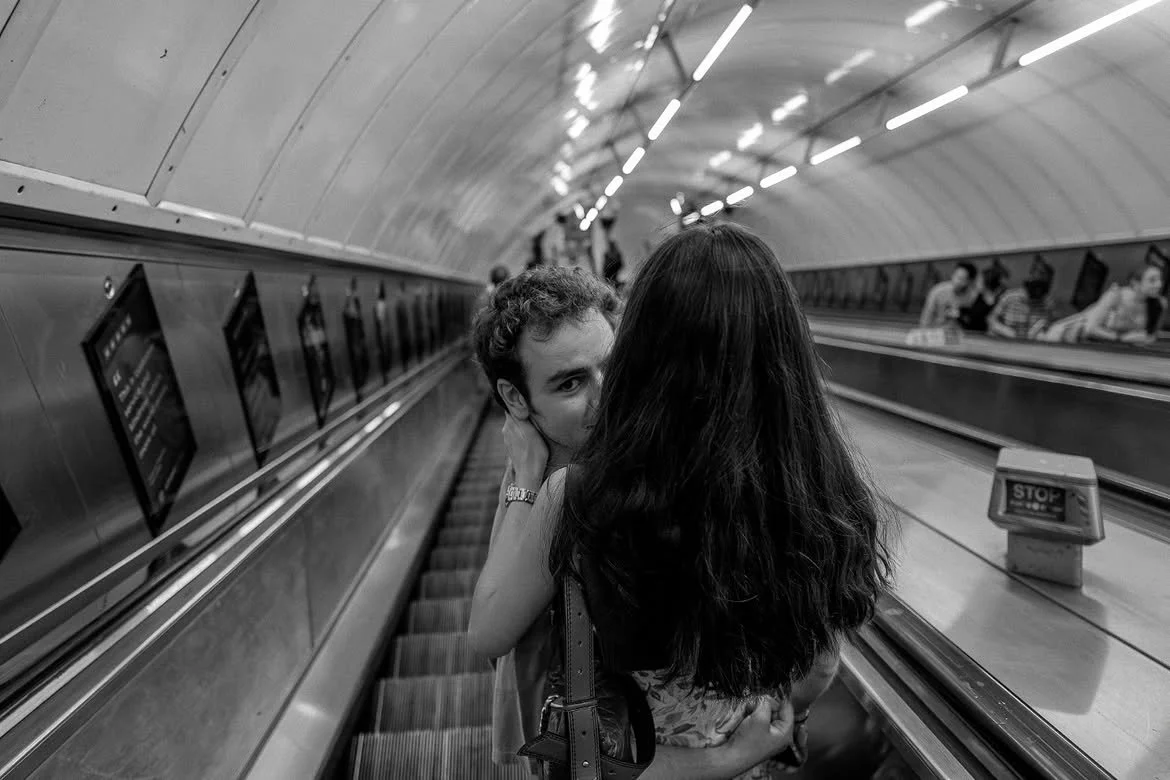
Human interaction comes first: a glance, a shared laugh, a quiet pause, or the way people make space for one another. I’m also attentive to light and composition, but I want those elements to serve the moment rather than overwhelm it. Colour has its place when it adds something essential to the scene.
What is your take on social media influence on street photography?
It has helped photographers share work, discover different perspectives and find an audience across borders. At the same time, its pace can encourage us to judge a photograph too quickly. I try to spend more time looking, photographing and editing thoughtfully than thinking about how an image will perform online.
Are your prints available for purchase? If so, where can art buyers and collectors contact you to purchase them?
Please contact me through email mozyro01@gmail.com to ask about purchasing a photograph or print. I’m happy to discuss the image you’re interested in and the available options.
(c) Chris Mozyro
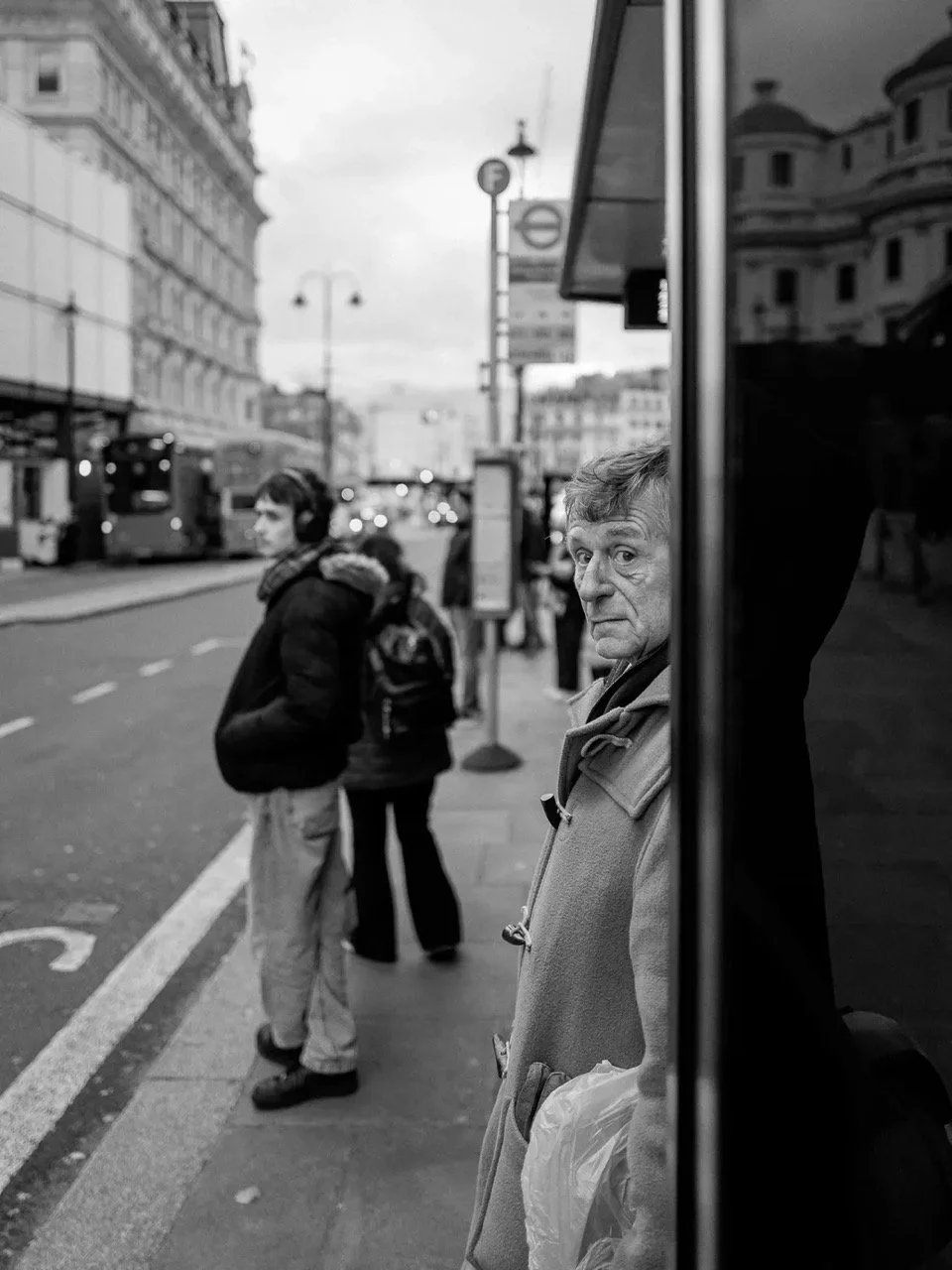
(c) Chris Mozyro
What advice would you give to aspiring photographers?
Photograph what holds your attention, and keep returning to it. Walk, observe, and take pictures even when you don’t expect to make your best work. Study your own photographs honestly: notice which ones still mean something to you after the excitement of taking them has passed. Your point of view grows through that repeated attention.
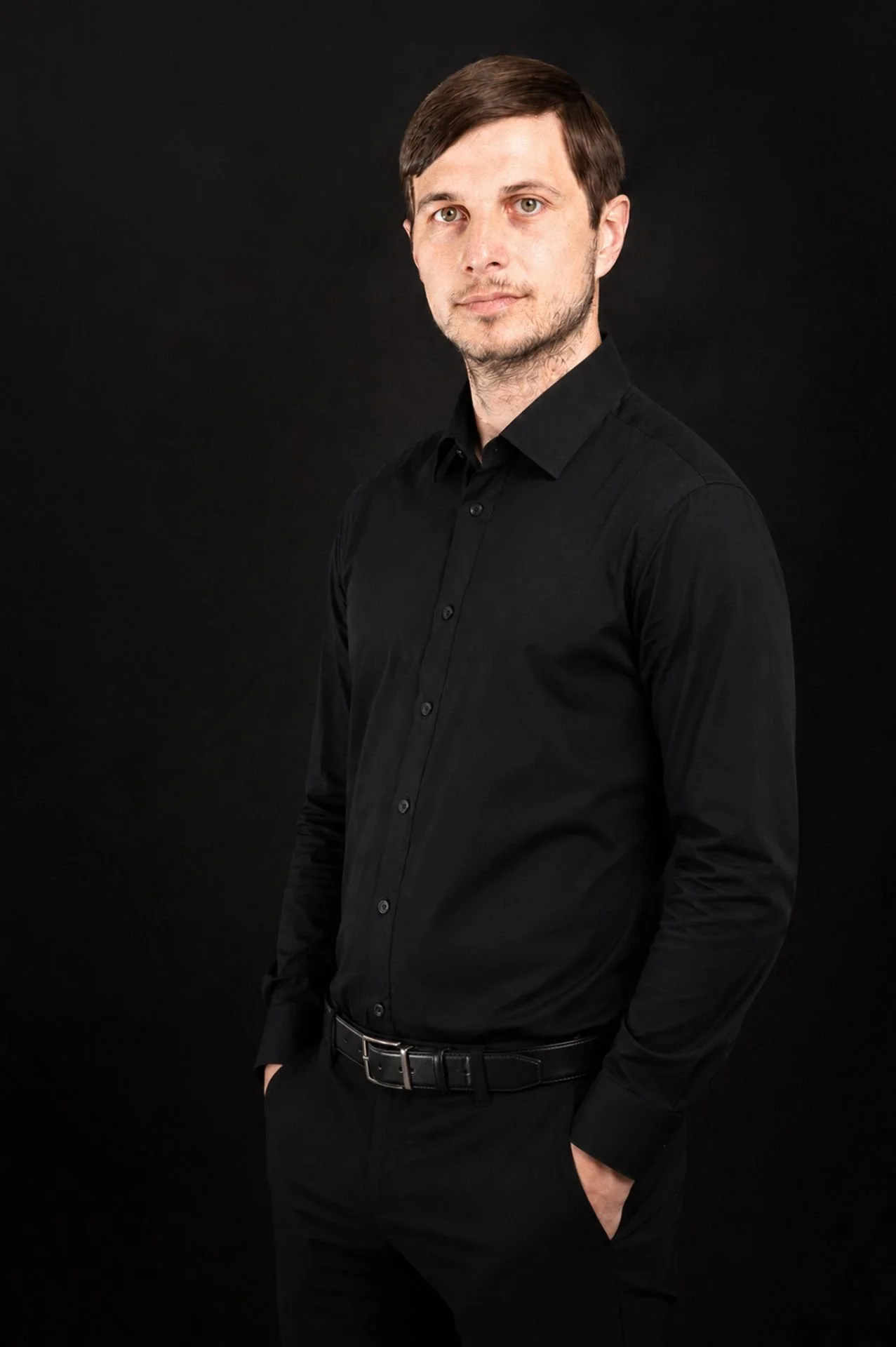
In Frame : Chris Mozyro