
Claudia Kindl, A Resilient and Inspirational Street Photographer Celebrated for Her Humanity, Humour and Extraordinary Storytelling
An Exclusive Interview with Pure Street Photography
Discover how Claudia transformed a career in acting and celebrity photography into a thoughtful street photography practice, using patience, intuition and a keen eye for extraordinary stories surprising within everyday life.
Interview by Dimpy Bhalotia and Kamal Kumaar Rao
02/06/2026
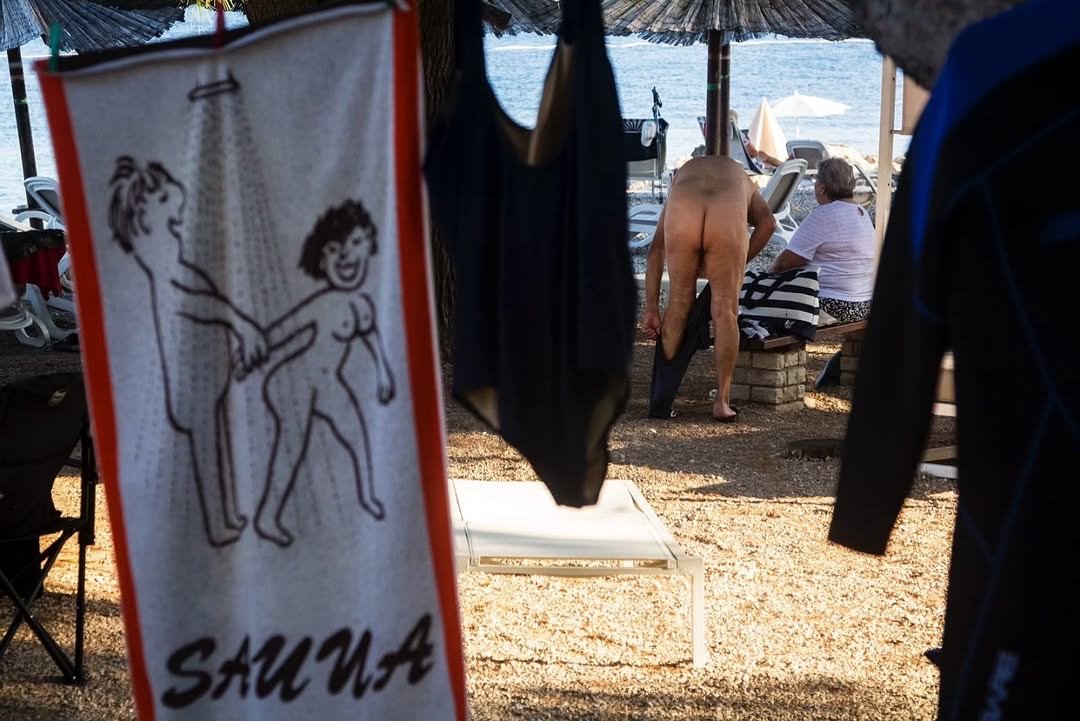
(c) Claudia Kindl
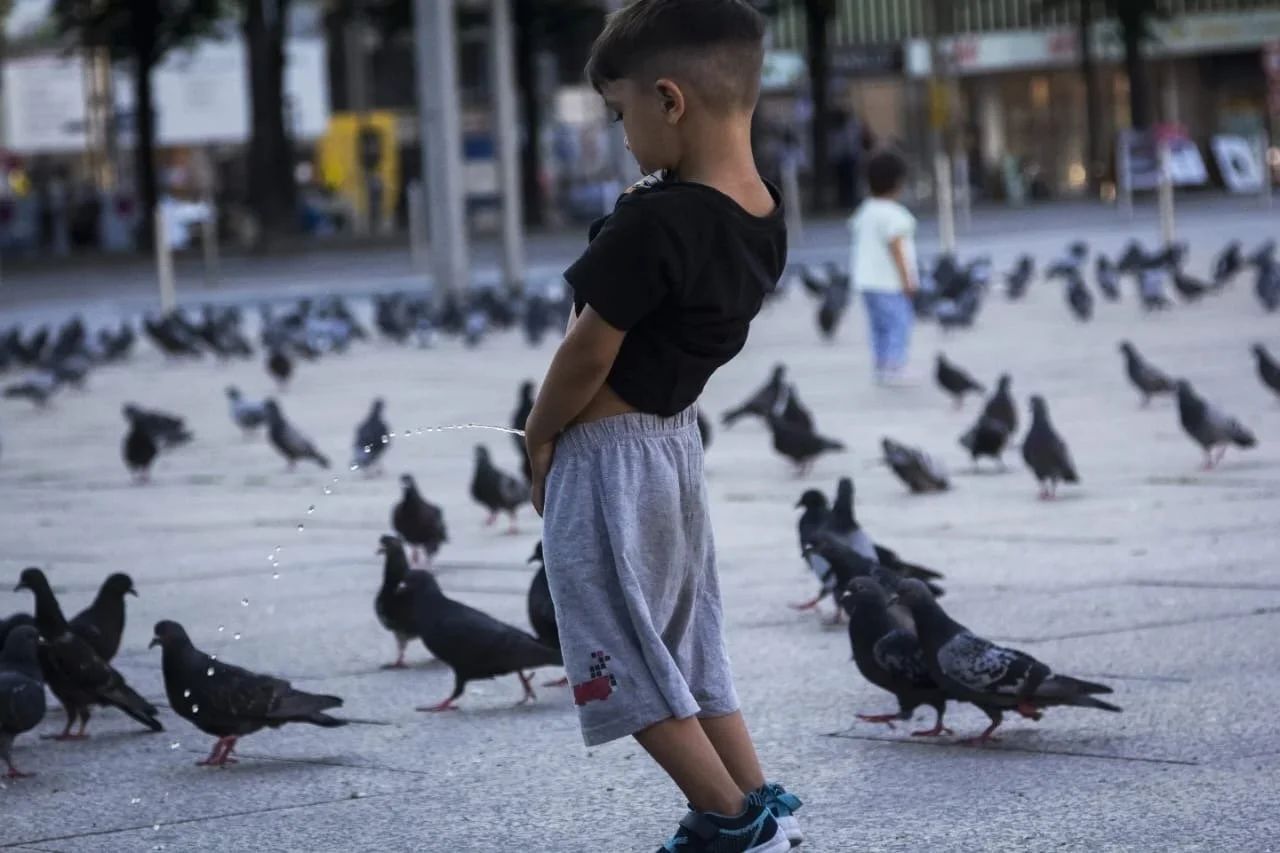
(c) Claudia Kindl
We would love to know more about you! Who you are and where you're from? When did you start street photography?
I’d like to take a moment to thank Dimpy Bhalotia and Kamal Kumaar Rao from the PSP team for providing the wonderful opportunity to introduce myself to the community.
Hi! My name is Claudia Kindl. I’m a street photographer from Austria where I’m also currently based. I didn’t seek out street photography, street photography found me. I first came into contact with a more commercial genre of street photography many years ago, when I was still living in Los Angeles to pursue an acting career. Occasional acting assignments didn’t pay the bills, so I started to work as a freelance celebrity photographer, documenting the lives of public figures for renowned media outlets to make a living. Working the streets as a so-called paparazza taught me the hard way and the streets became my best teacher.
I have a background in theatre/musical theatre and earned my BFA diploma in acting/theatre at the Vienna conservatory. I also have some experience in screenwriting. Street photography brings all these art forms together beautifully. For me, the streets are the greatest stage of life, a spectacular and vivid Shakespearean theatre with the most diverse, colorful and interesting characters, costumes and props you can ever imagine - unrehearsed, un-staged and unscripted. No need for a script, because life on the streets writes the best stories. Just like in theatre and film, I enjoy comedy and drama alike, always keeping my main focus on telling a good story.
What inspired you to become a street photographer?
After working as a news photographer in LA for a couple of years, one day out of the blue I contracted a viral infection from which I never fully recovered. Unable to work, I was forced to return to Austria where I was diagnosed with ME/CFS, a severely debilitating multi-system autoimmune disorder, characterized by an “abnormal” immune response after physical exertion, which significantly impacts quality of life. My days as actress, singer and photographer were pretty much over. For many years I was mostly home- and bed-bound.
Not being able to work gave me time to browse through photography books of idols such as Henri Cartier-Bresson, Elliott Erwitt, Robert Doisneau, Garry Winogrand, Jill Freedman, Vivian Maier etc. It was also then, I discovered the contemporary works of acclaimed British-born, New York-based street photographer Phil Penman, a former news photographer (you may have heard about him ;-)) who back in the day used to work for the same news agency in New York as I did in Los Angeles. And I told myself - if he could make the successful transition from paparazzo to street photographer, I can too :-)
After many years of living with ME/CFS, I finally found a treatment that drastically improved my quality of life. As my symptoms started to improve, I left the house one day and slowly walked down the street, taking pictures with my old Canon 60D. I will never forget this day; it felt like coming back from the dead. Taking photos after such a long hiatus made me feel alive again. I perceived the world around me with deep gratitude and a heightened sense of awareness. In an instant, I knew this is what I wanted and hopefully would be able to do for the rest of my life. It was on this day, street photography in a more traditional sense found me a second time.
How would you describe your work in terms of style and/or approach?
I think of my street photography as pretty straightforward with a simple approach, focusing mainly on storytelling and spontaneous, un-posed, authentic street moments and honest emotion. I prefer simple and clean compositions with mostly uncluttered backgrounds. I basically capture what I see directly in front of my eyes. As I’m easily bored, the moments I capture have to surprise me, catch my attention or resonate with me in some way. People often praise the spontaneity and humor in my work and appreciate my eye for the little moments that are often overlooked.
Working as celebrity photographer taught me to take a bold approach as needed and capture a candid street moment without being noticed whenever possible. It taught me to not be afraid and approach people in a confident manner. I also learned to be quick and anticipate moments. But there are some things I had to “unlearn.” Thanks to ME/CFS, I had to learn to pace myself, use my energy wisely. It also provided a shift in perspective. I switched from a rather aggressive to a more passive and thoughtful approach. I don’t go on the so-called “hunt” anymore, chasing moments like I used to chase celebrities. I practice patience and prefer the “fishing method,” letting moments find me.
Street photography is my greatest passion and my greatest gift, allowing me to be fully present in the moment. Out on the streets I’m in the flow, almost like a meditative state. Calm yet highly alert, I take in my surroundings and follow my intuition until suddenly, out of chaos reveals itself a moment of clarity - this is the moment when I know it’s time to take the photo.
In terms of style, I try not to concern myself with it too much just yet. I believe style will define and refine itself gradually over time. I don’t like to force where I’m going, trusting the process and let it evolve naturally.
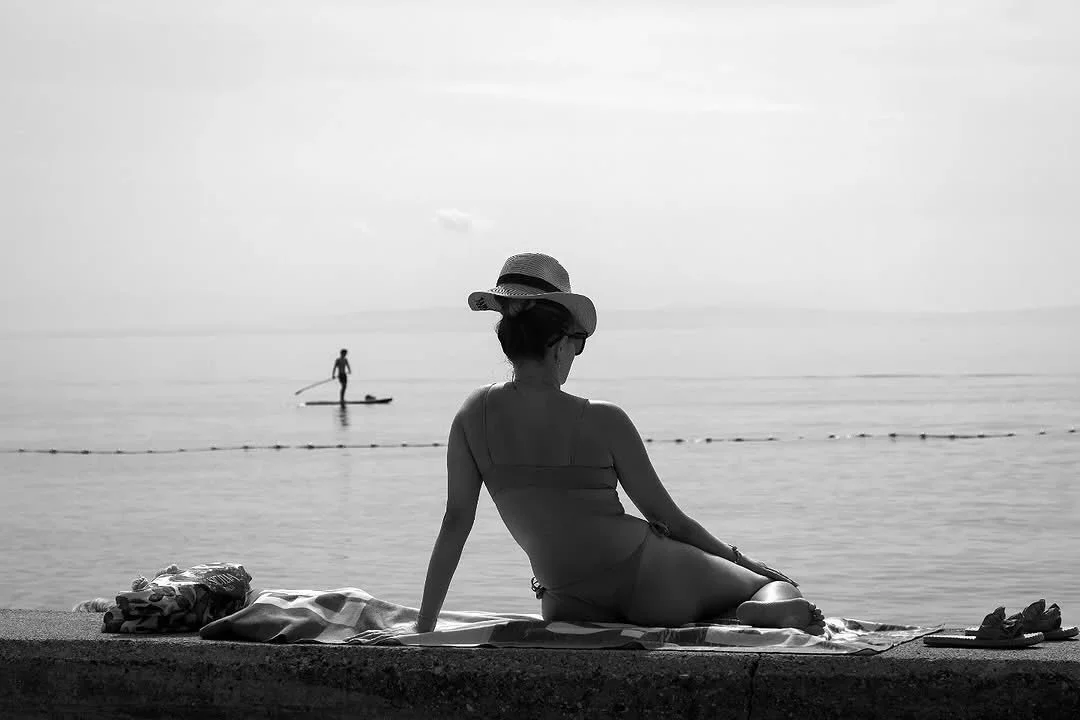
(c) Claudia Kindl
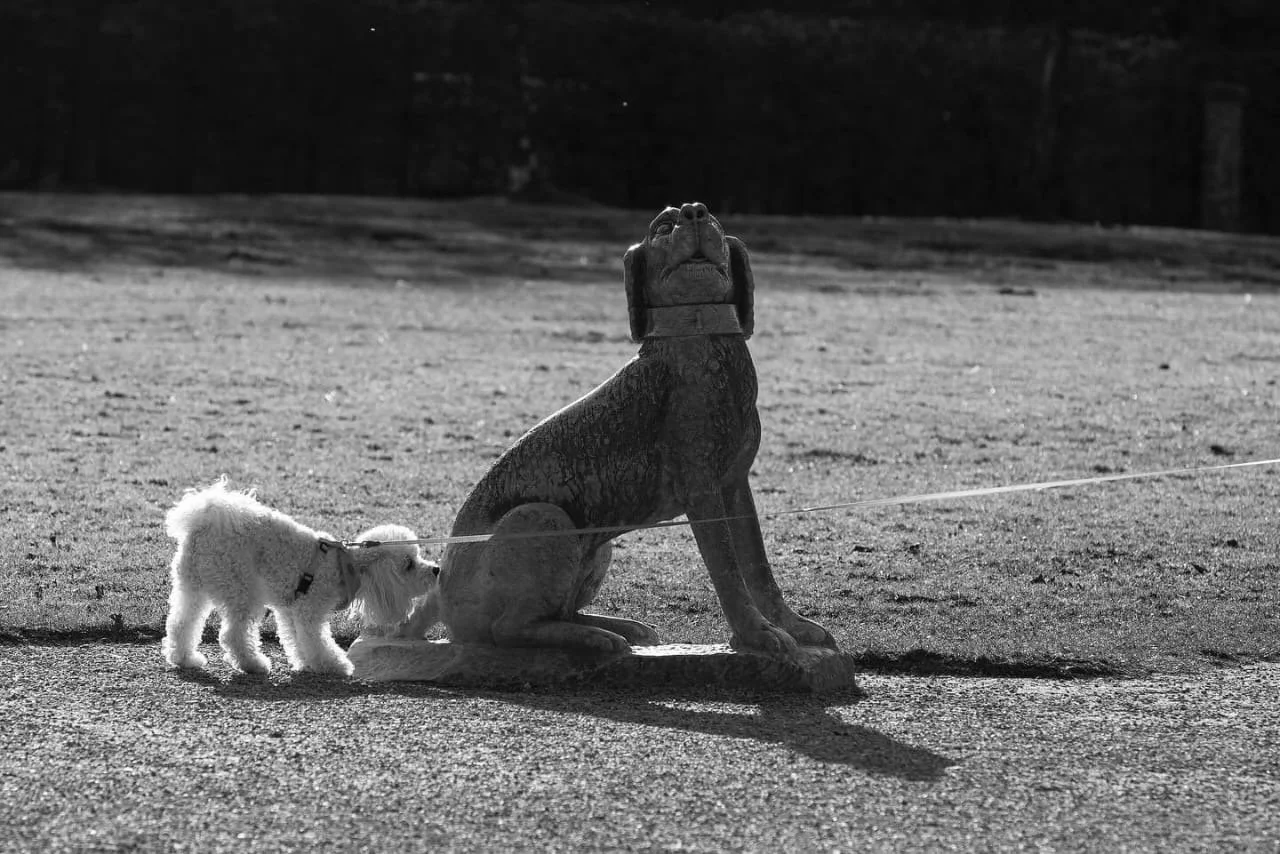
(c) Claudia Kindl
What is your photography routine like? Do you photograph every day?
Unfortunately, due to my health, I’m not able to photograph every day. On days when I feel ok to go out and take photos, I do have a set photography routine. During my healing journey, I started to practice meditation on a daily basis. I also became quite spiritual. You ever hear about the law of attraction? You basically create a positive energy to attract corresponding experiences. My photography routine works in a similar way. In my daily meditation, I open myself up to a creative energy and the possibility of attracting good photo opportunities. Just like with singing, acting, writing or any other art form, I also make an effort to get my ego out of the way as much as possible. I see myself as a vessel and the camera as my instrument, letting a photo find its way through my physical body into my camera body and out into the world. I’m not a mother, but every time I take a photo it feels a bit like giving birth to one of my babies that chose me as their mom :-)
What camera or mobile device do you use for photography? Do you shoot digitally, on film, or a mix of both?
I shoot digitally currently still using my old CANON EOS 60D, combined with my Canon EF 24-105mm f4 lens and my recently acquired, second-hand Canon EF 17-40mm f4 lens, trying my hand at a wide-angle approach.
What challenges do you face when photographing on the street?
Compared to my stressful days as celebrity photographer, involving high-speed car chases, daily encounters with police and security, confrontations with onlookers and competing for the best shot with the so-called competition, a swarm of testosterone-driven paparazzi (I was one of the few girls), street photography in the traditional sense feels like a “walk in the park.” The only true challenge I’m facing is my health. Every day I’m able to got out and take photos is a good day and the greatest gift.
Do you ever wonder what happens to the people in your photos?
Not really. For me, the people I photograph mostly exist in my photos, a moment frozen in time. Not in the past, not in the future. An exception are homeless, addicts, refugees, people I sometimes run into several times at the same spot. I pray for them and hope they’re doing ok and that they have someone who loves and takes care of them.
(c) Claudia Kindl
(c) Claudia Kindl
In your opinion, what is the biggest misconception people have about street photography?
Sometimes street photography has a bad reputation. There are people who believe that it’s the street photographer’s intention to catch them in a bad moment or show them in a bad light. Another misconception is that people assume the photo to be entirely about them. Most of the time the subjects in my photos are a small part of the bigger picture, so to speak, serving the main purpose of storytelling, a means to an overall artistic expression. It’s never my intention to make anyone feel bad or exploit them in any way.
What are your favourite elements to capture in a street photograph? (light, colour, composition, human interaction, etc.)
Taking photos of celebrities, I didn’t have the luxury of time. I couldn’t afford to wait for the perfect light or play around with settings too much. I had to take the photo under all circumstances in every possible scenario, adapting to situations very quickly in order to get the shot.
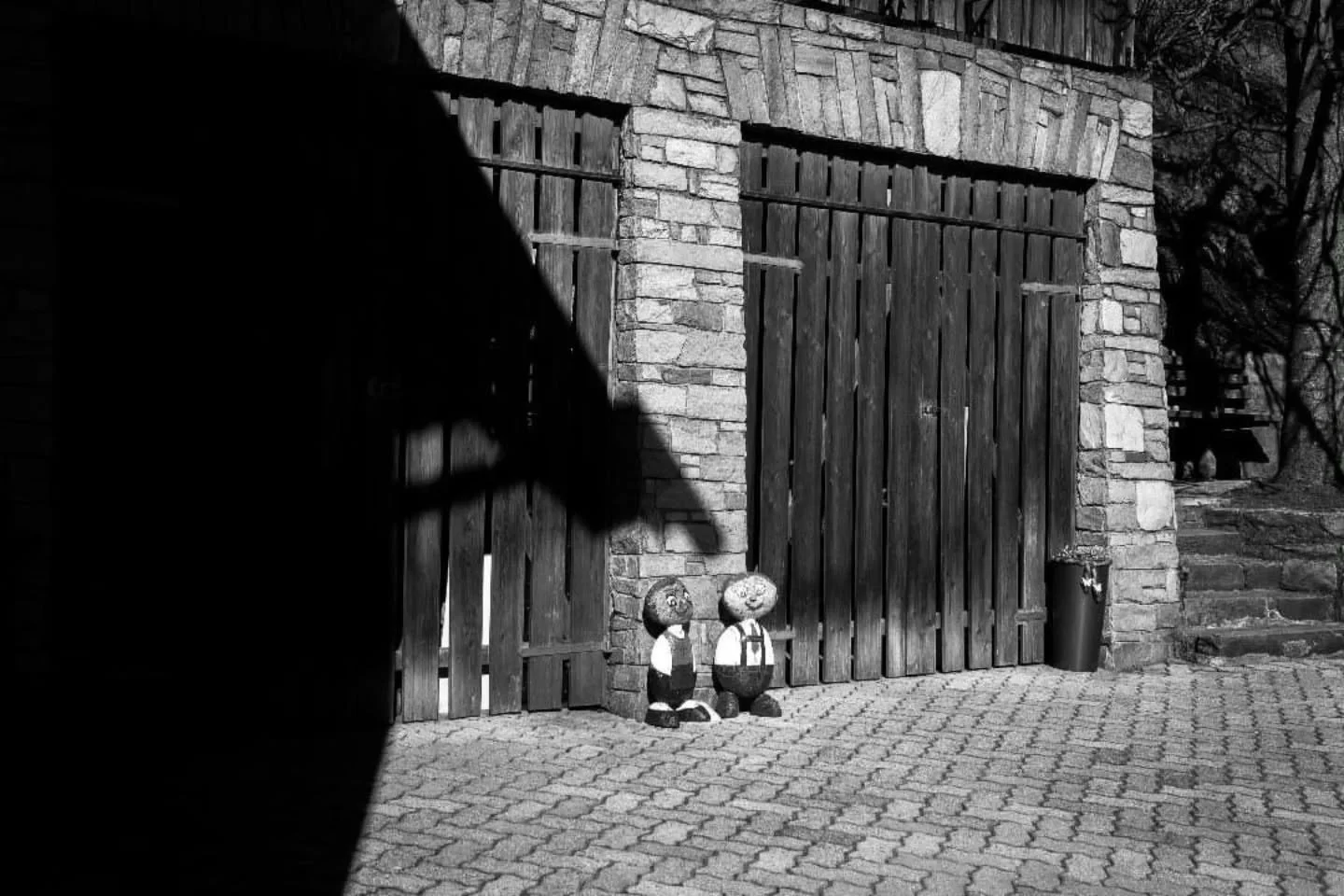
In street photography, I have more time to pay attention to light and shadow and incorporate surrounding elements into my compositions so as to capture a certain mood or atmosphere. Composition is definitely a very important element in my work. I mostly frame the photo at the moment I take it. I rarely crop in the editing process.
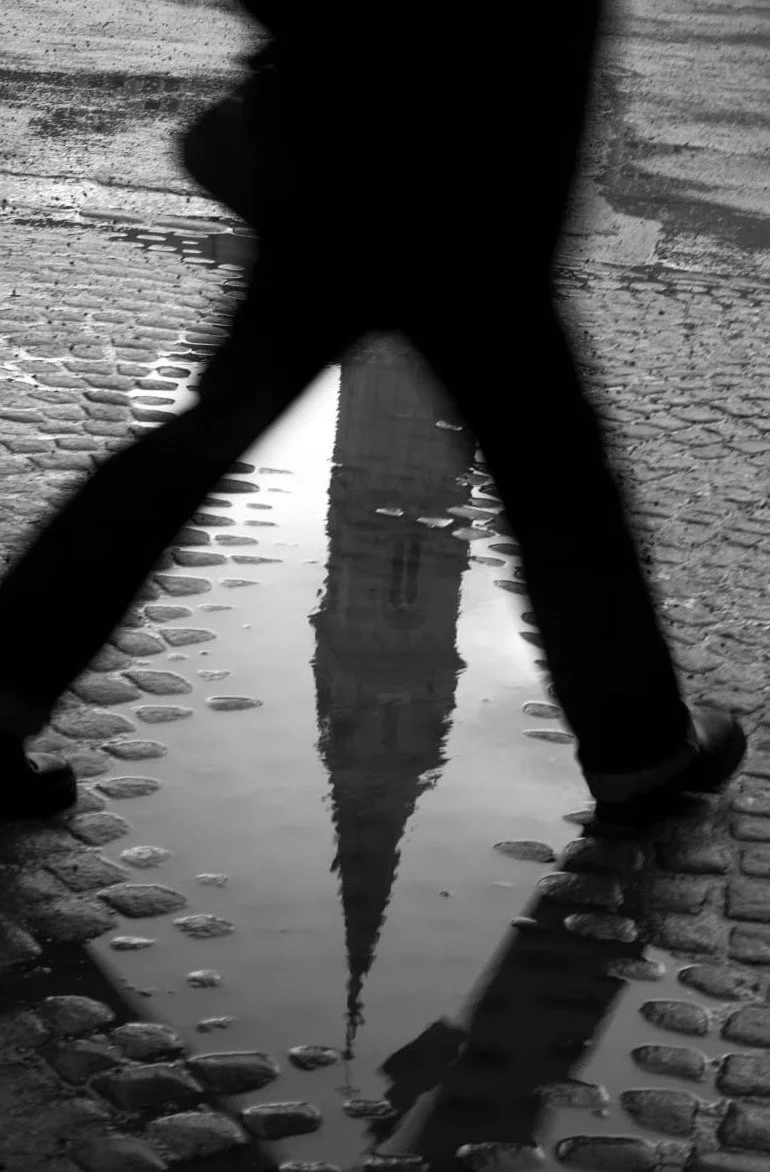
I also started to experiment with different techniques. For example, I’m having fun with slow shutter speed, finding the courage to incorporate blurry elements into my photos, something I couldn’t afford when taking a photo of a famous person. I’m also exploring reflection- and silhouette work, though not actively searching for it, unless I feel a scene truly benefits from it for the purpose of storytelling or when I’m working on a specific project to mix things up. I prefer to look at the world without filters, so to speak. The human element is certainly a main component in my work. And last but not least, there’s nothing more satisfying to me than a good story. That’s probably the actor, director and writer in me coming to light.
What is your take on social media influence on street photography?
Social media can be a wonderful tool. A great way to show your work, connect with other street photographers from around the world and become part of a community. The support I receive from all the wonderful and talented photographers is overwhelming and I’m very grateful for every single person who is supporting my work. Social media also provides wonderful opportunities and keeps you in the loop about ongoing photo contests, exhibitions, festivals, workshops etc.
But there’s a down side to it as well. When I started to take photos after a long hiatus, I didn’t have a social media account at first. For about a year, I kept taking photos without the influence of social media whatsoever - the best thing that could’ve happened to me. I used this time to explore and find my authentic voice as a street photographer, simply taking photographs for myself. When I set up my Instagram account, looking at the work of other street photographers felt inspiring at first. Soon however, I started to feel overwhelmed, comparing myself and doubting my own work at times. So whenever I start to pressure myself, I take a step back and revisit those photos from a couple of years back. It helps me to focus and stay true to my authentic voice as a street photographer.
Are your prints available for purchase? If so, where can art buyers and collectors contact you to purchase them?
Yes, my prints are available for purchase. For all inquiries and to purchase my work, please get in touch directly via dm on instagram @ck_streetphotoart
(c) Claudia Kindl
(c) Claudia Kindl
What advice would you give to aspiring photographers?
Stay true to your own artistic vision. Discover your unique and authentic voice that’s already within you. Pay attention to what you feel drawn to, what resonates with you and makes you feel alive; it’s your authentic voice talking to you. Let yourself be inspired, but don’t copy other people’s work. Walk your own path and tell your own stories.
As for social media, don’t put pressure on yourself. Avoid perfectionism and find the courage to make mistakes. Stop comparing yourself and embrace your uniqueness that sets you apart. You’re not in competition with anyone but yourself. Don’t photograph for likes and follows. Once in a while, take breaks from social media. Recharge your batteries, refocus and come back with a fresh perspective, looking through a fresh lens. Work hard, be consistent and never ever give up.
And lastly, I decided to share my personal health journey to inspire others who may find themselves in a similar situation or struggle with life’s challenges. So whenever life throws challenges at you, view them as opportunities for growth and resilience rather than a curse or punishment. Think about how this situation may change your perspective and how it may add to your work rather than hinder it.
I’d like pass on this brilliant advice a wonderful photographer friend recently shared with me: “Trust the process of becoming who you truly are as an artist rather than what you think you should be.”
A huge thank you to Claudia Kindl for sharing her incredible journey.
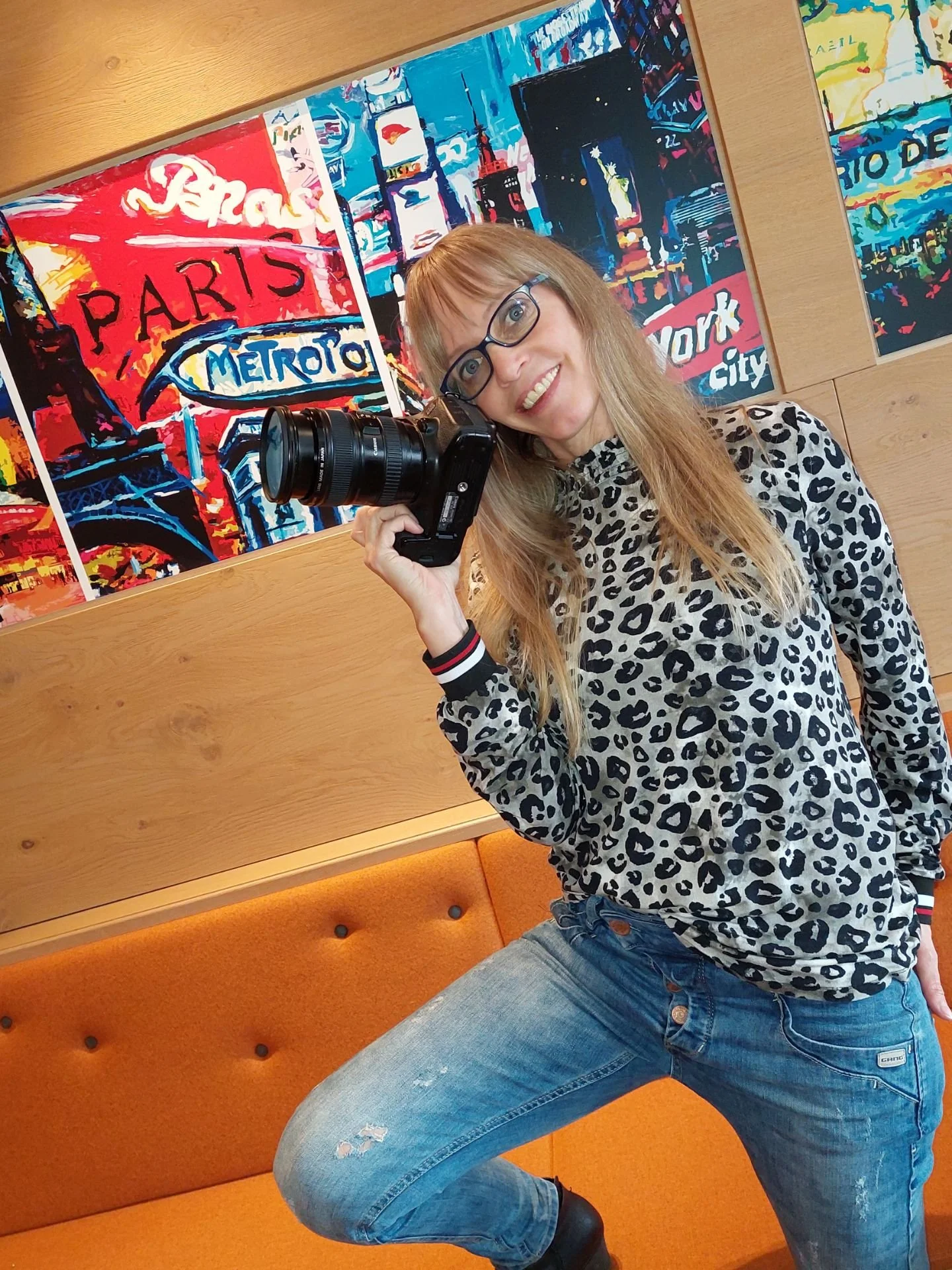
In Frame : Claudia Kindl