
L. Abigail Chua, A Reflective Street Photographer Praised for Her Atmospheric Urban Observations and Fleeting Human Presence
An Exclusive Interview with Pure Street Photography
Discover how walking, commuting and brief moments between trains shape Abigail’s photographic practice, rooted in stillness, observation and attention to what usually disappears unnoticed.
Interview by Dimpy Bhalotia and Kamal Kumaar Rao
13/05/2026
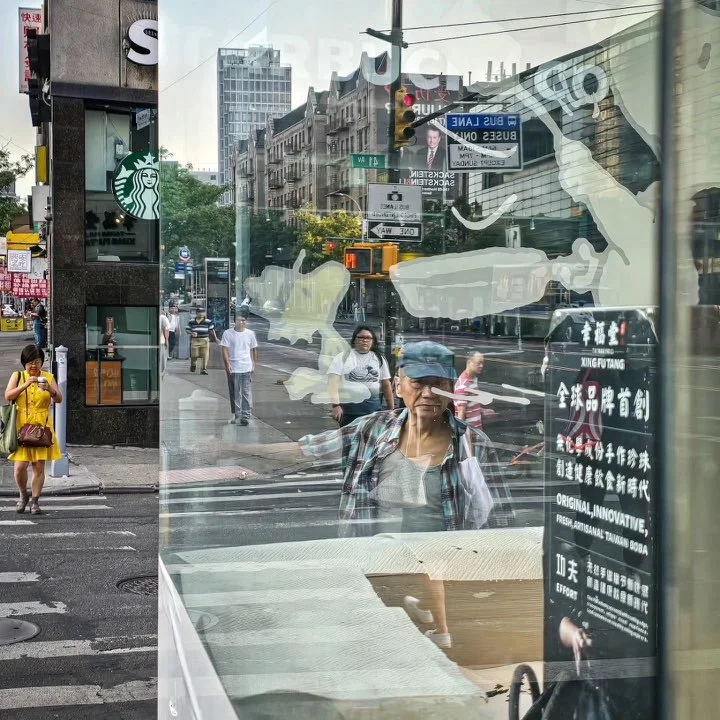
(c) L. Abigail Chua
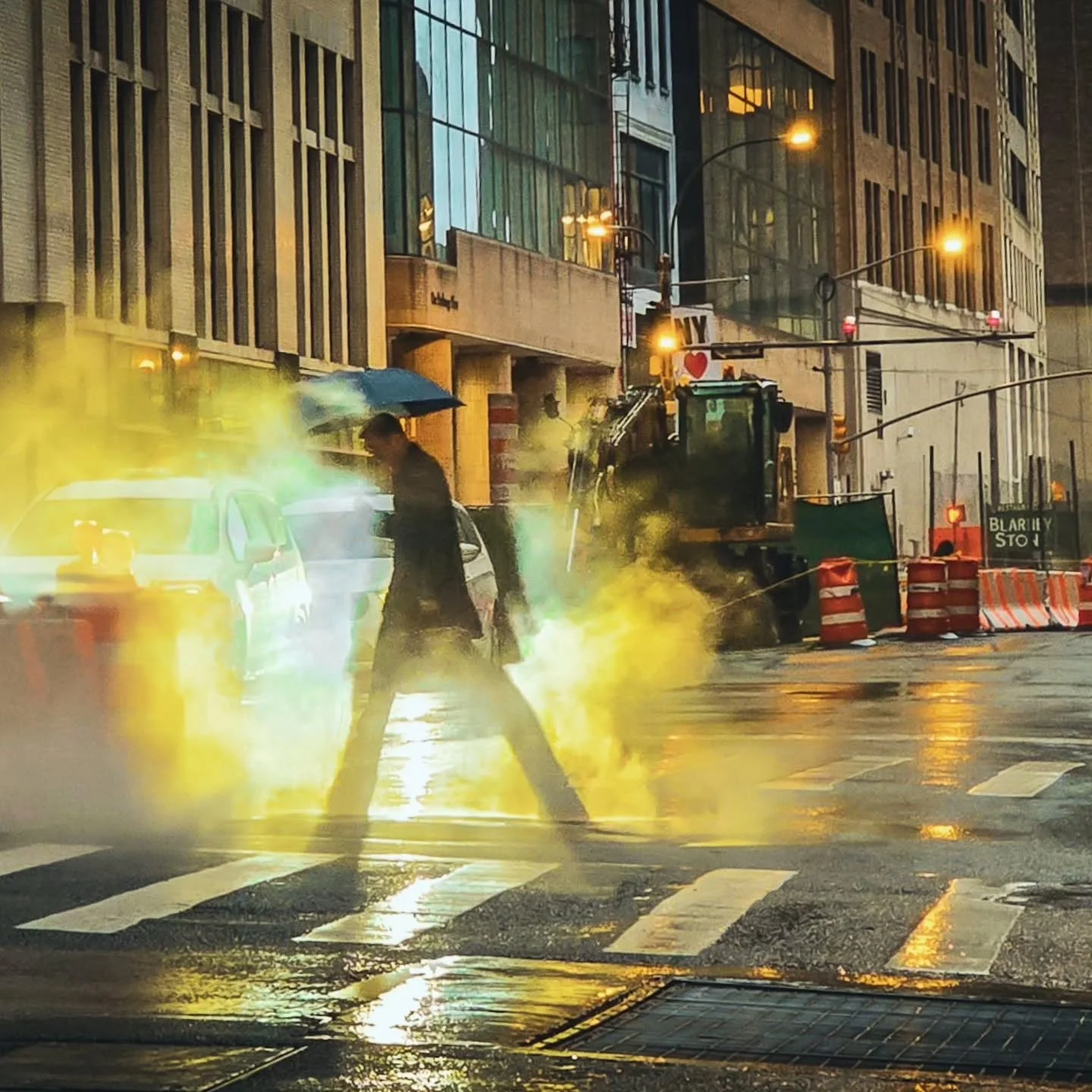
(c) L. Abigail Chua
We would love to know more about you! Who you are and where you're from? When did you start street photography?
I’m a New York–based photographer, originally drawn to the camera as a way of navigating the density and anonymity of the city. I began street photography by simply walking—watching how people move, pause, and occupy space. Over time, it became less about capturing moments and more about staying present to them. My work now focuses on the overlooked—where the monumental falls away and the everyday reveals its weight.
What inspired you to become a street photographer?
I was inspired by what disappears. In a city built on movement and spectacle, I found myself drawn to what lingers at the edges—reflections, absences, small human traces. Street photography became a way to stay with those moments a little longer, to notice what would otherwise pass unseen.
How would you describe your work in terms of style and/or approach?
My work is quiet and observational. I’m drawn to what sits just outside of attention—fragments, reflections, traces of people rather than full narratives. The approach is slow and intuitive, allowing the image to emerge through stillness, light, and timing rather than intervention.
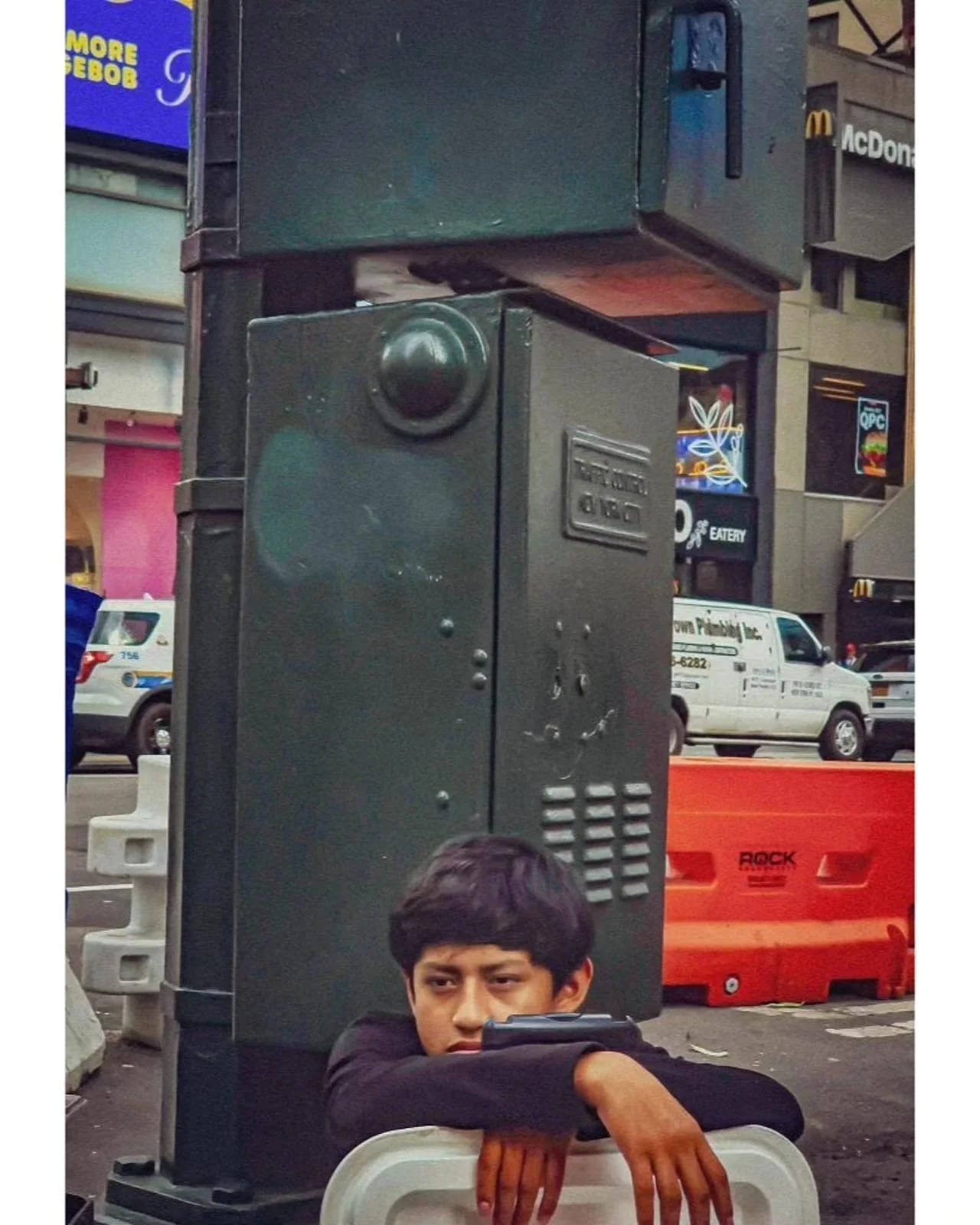
(c) L. Abigail Chua
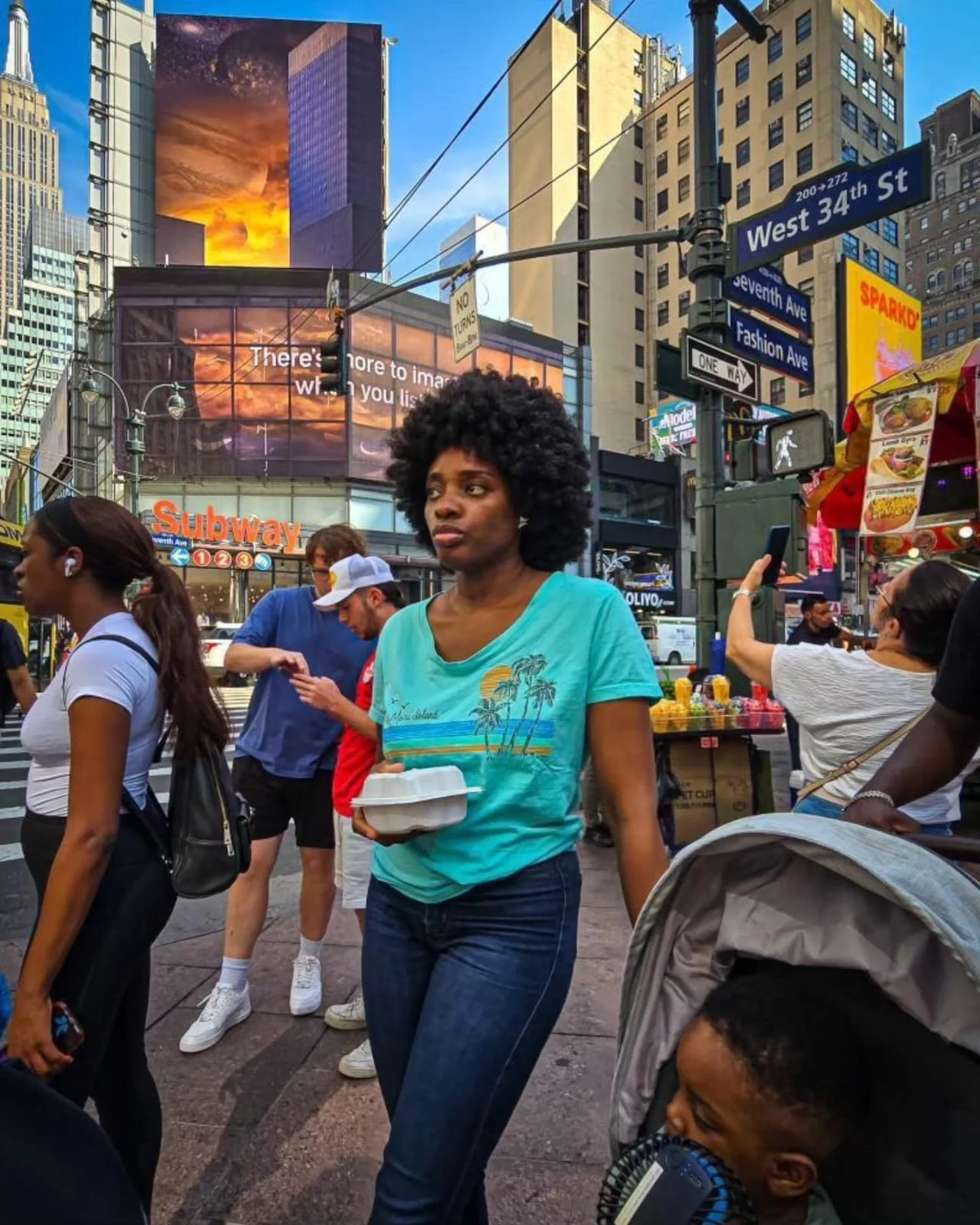
(c) L. Abigail Chua
What is your photography routine like? Do you photograph every day?
I have 20 minutes... My routine is built around the margins of the day. I photograph in short intervals—20 minutes between trains, while walking, commuting to and from work. I don’t shoot every day, but I’m always looking. The practice is less about time spent and more about staying attentive to what unfolds in passing.
What camera or mobile device do you use for photography? Do you shoot digitally, on film, or a mix of both?
I work with both a dedicated camera and my mobile device, mostly shooting digitally. The accessibility allows me to respond quickly to fleeting moments, especially during my commute. Lately, I’ve been drawn to Polaroids—instant film adds a sense of pause and unpredictability that contrasts with the speed of digital.
What challenges do you face when photographing on the street?
Street photography comes with constant negotiation—of space, light, and timing. Crowds, fleeting gestures, and the pace of the city make capturing quiet, unnoticed moments a challenge. I also navigate the balance between observing and intruding, trying to stay present without altering the scene.
Do you ever wonder what happens to the people in your photos?
Yes. I often wonder about their lives beyond the frame—where they’re headed, what they carry with them. My work is rooted in curiosity and presence, and part of that is acknowledging that each person has a world outside the moment I capture.
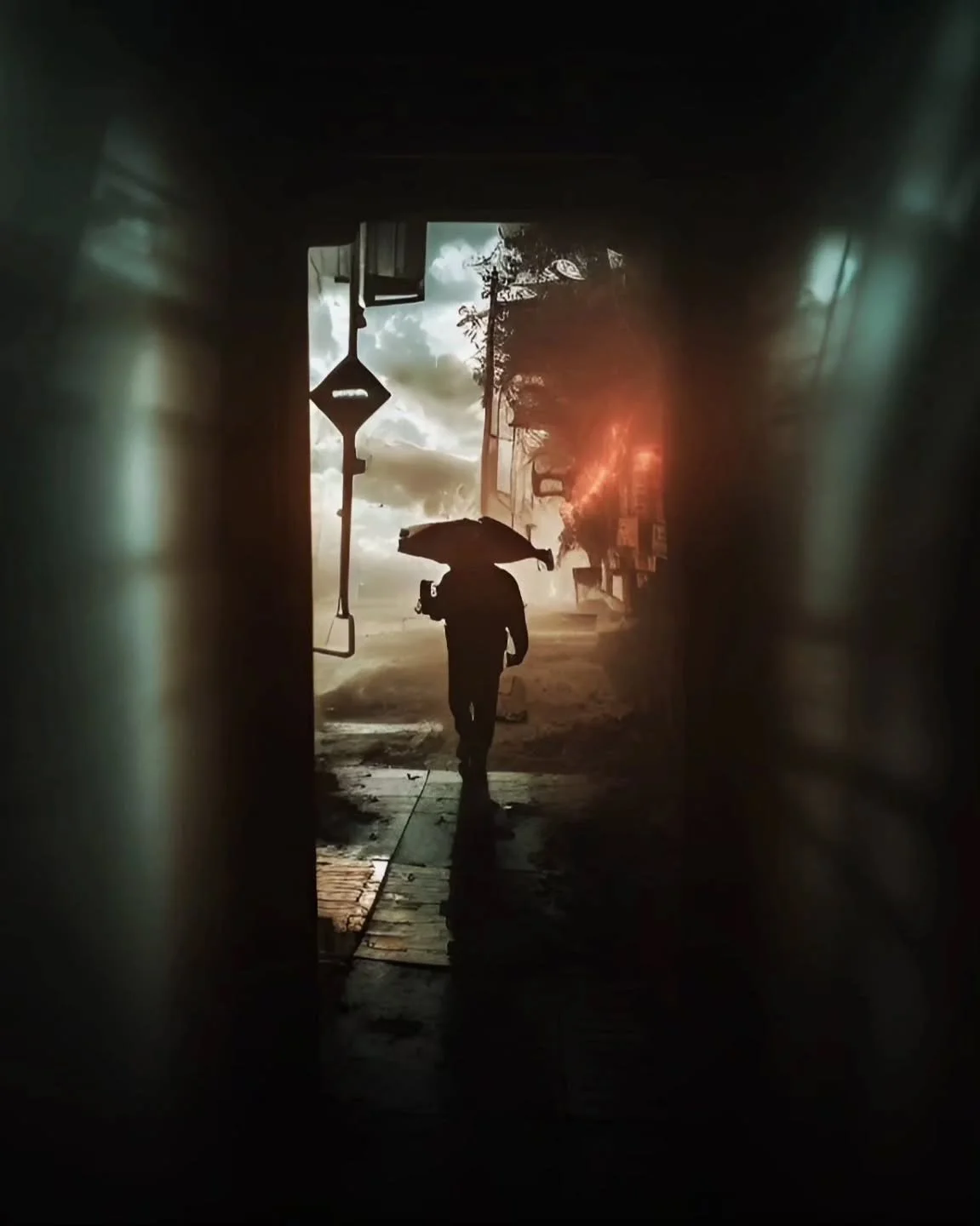
(c) L. Abigail Chua
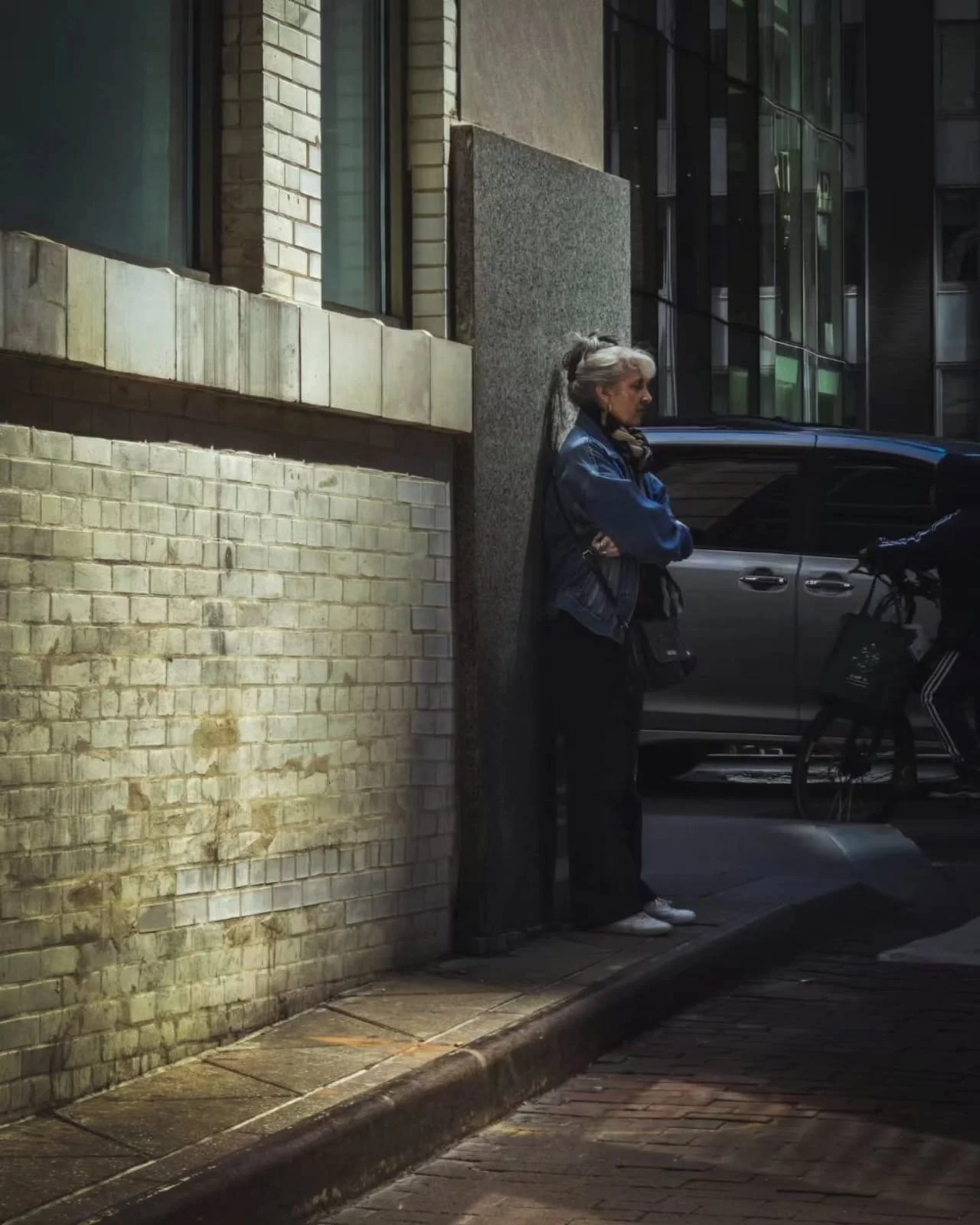
(c) L. Abigail Chua
In your opinion, what is the biggest misconception people have about street photography?
The biggest misconception is that street photography always requires people. For me, it’s about presence—how life unfolds, even in absence. Empty spaces, traces, and fleeting signs of human activity can be just as revealing as the figures themselves.
What are your favourite elements to capture in a street photograph? (light, colour, composition, human interaction, etc.)
I’m drawn to light, gesture, and the traces people leave behind. Composition matters, but often it’s about capturing subtle alignments—shadows, reflections, and fleeting interactions that suggest presence without spectacle.
What is your take on social media influence on street photography?
Social media has made street photography more visible but also more performative. It can encourage fleeting trends or staged moments. I try to stay grounded in observation and presence, focusing on subtle, unnoticed details rather than what will immediately “read” online.
Are your prints available for purchase? If so, where can art buyers and collectors contact you to purchase them?
No, my prints are not currently available for sale.
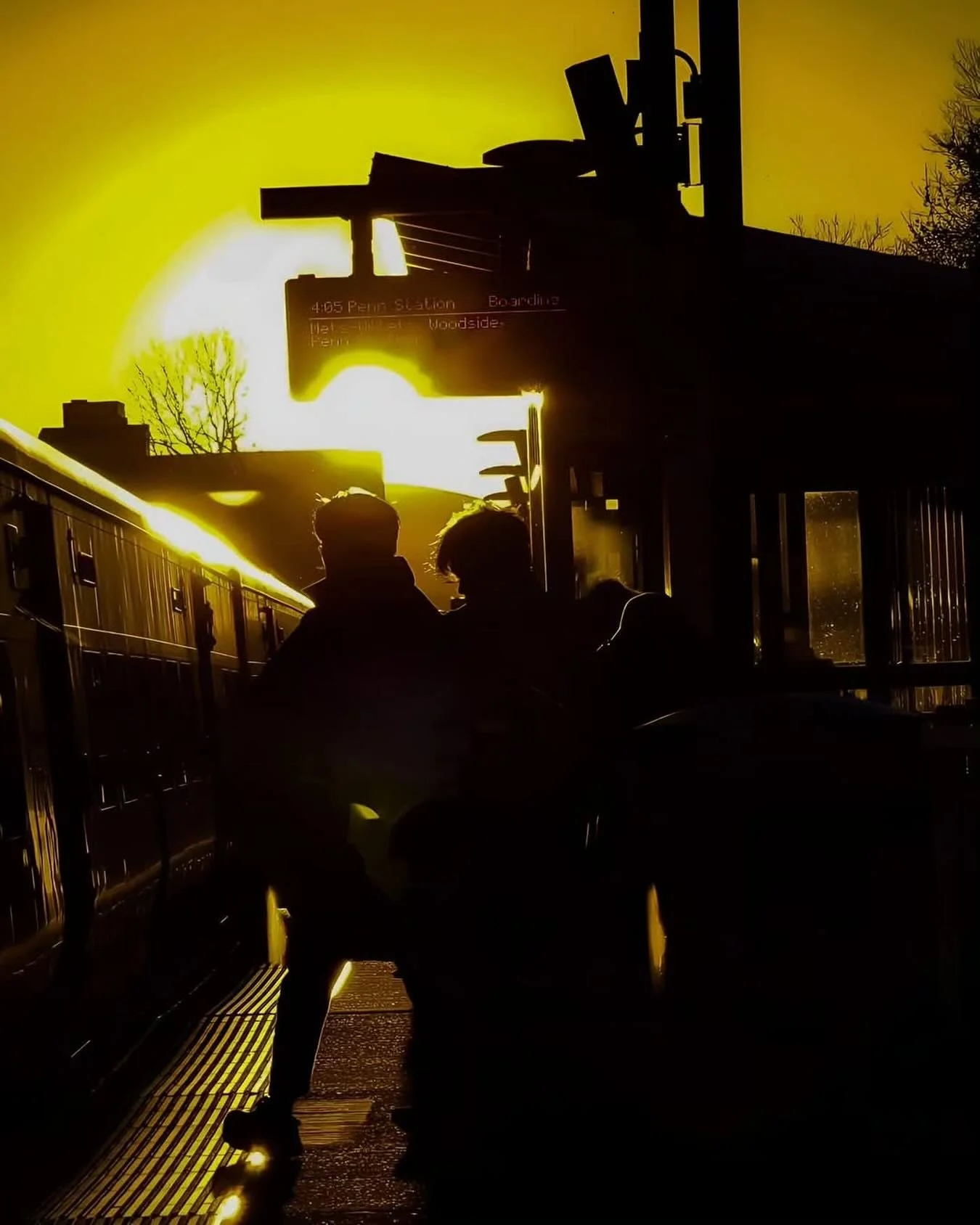
(c) L. Abigail Chua
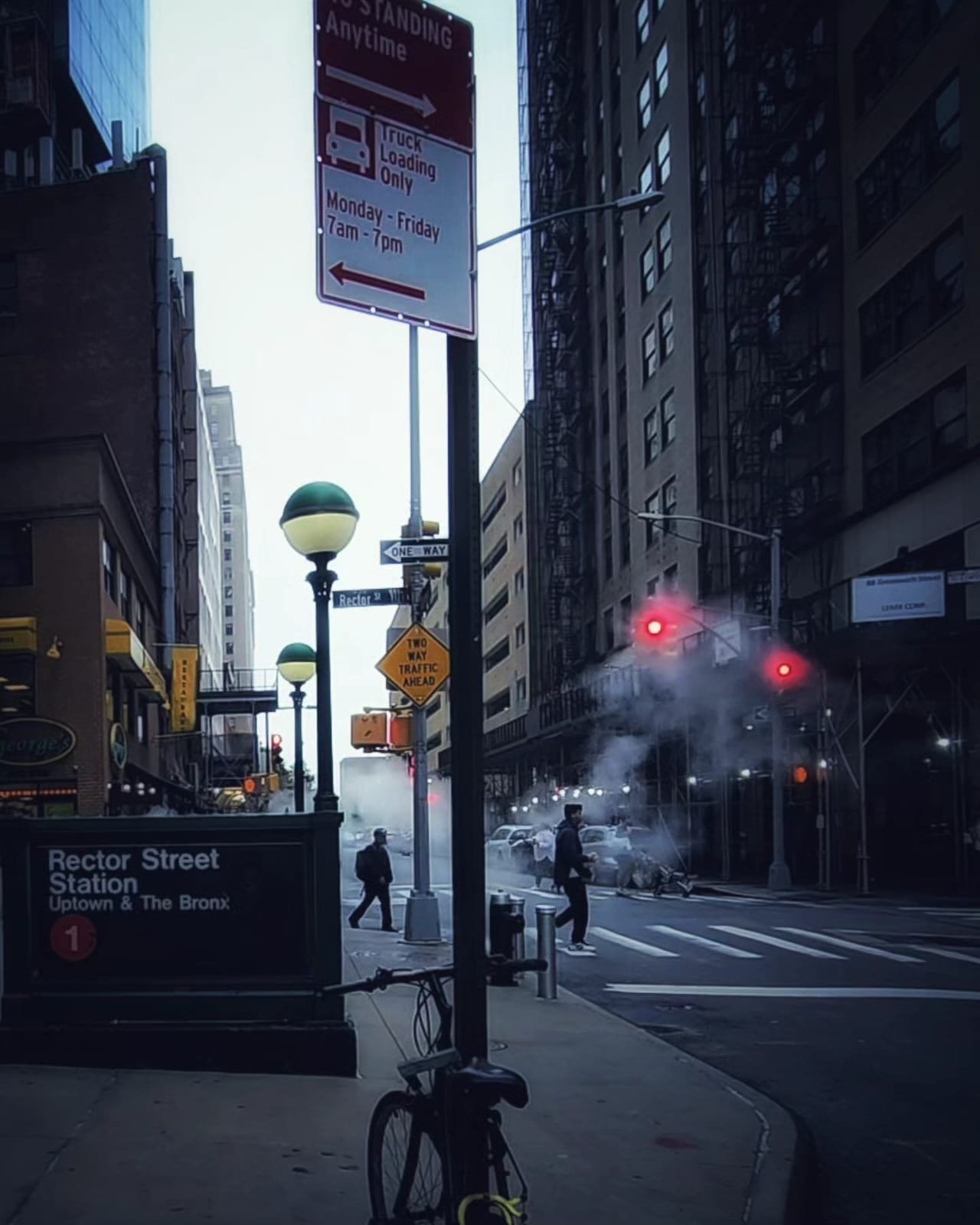
(c) L. Abigail Chua
What advice would you give to aspiring photographers?
Observe more than you shoot. Learn to be patient, to notice the small, overlooked moments, and to carry your camera everywhere—even if it’s only for 20 minutes between trains or during a commute.
A huge thank you to L. Abigail Chua for sharing her incredible journey.
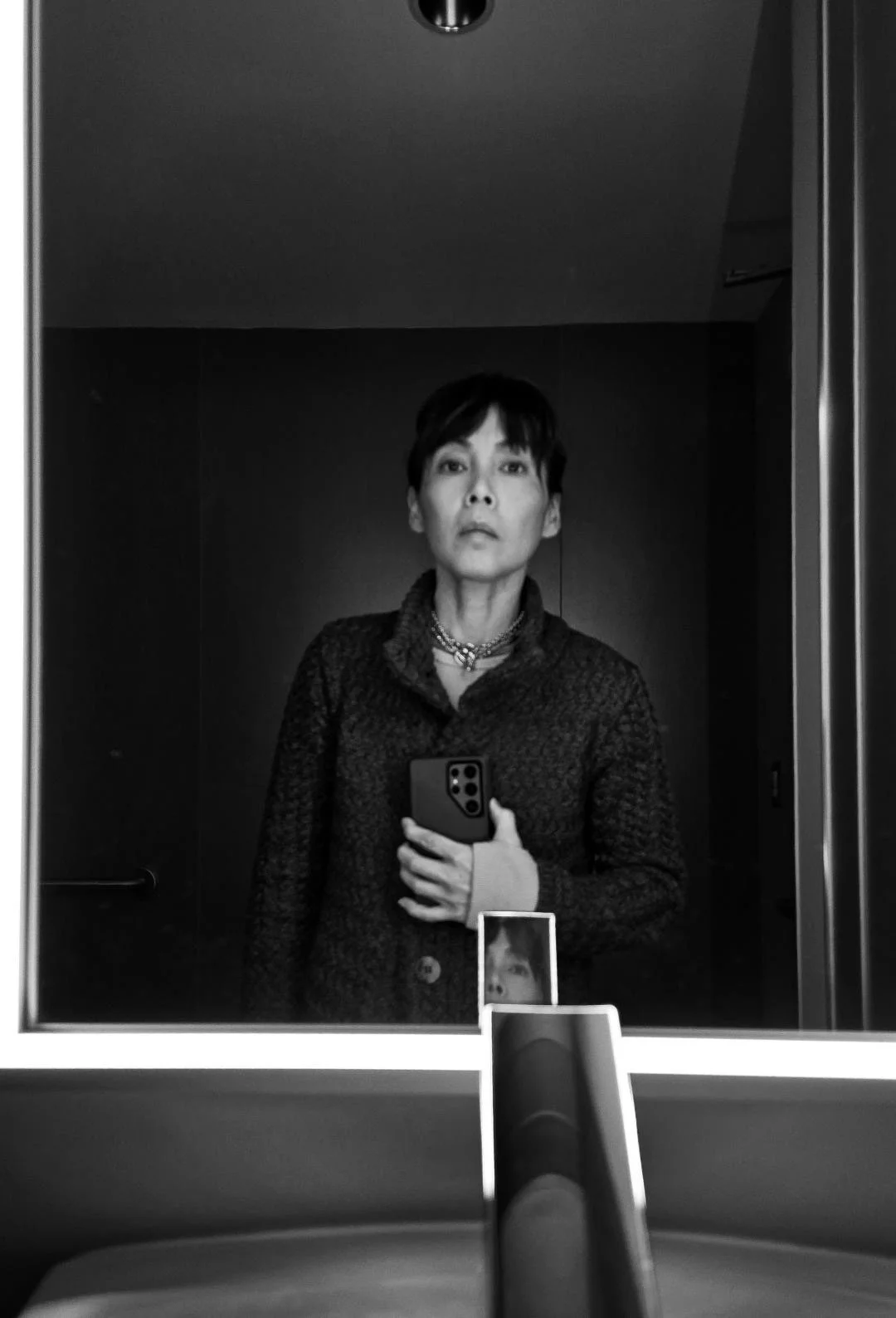
In Frame : L. Abigail Chua