
Leone Von Dizic, First Place Winner of the Pure Street Photography Awards 2026, Celebrated for Photographing Strangers to Discover Something of Himself
An Exclusive Interview with Pure Street Photography
Discover how Leone’s years playing jazz taught him to approach the street without a score, listening and responding to whatever unfolds, as chance encounters with strangers become mirrors through which he explores humanity and, ultimately, himself.
Interview by Dimpy Bhalotia and Kamal Kumaar Rao
5/10/2026
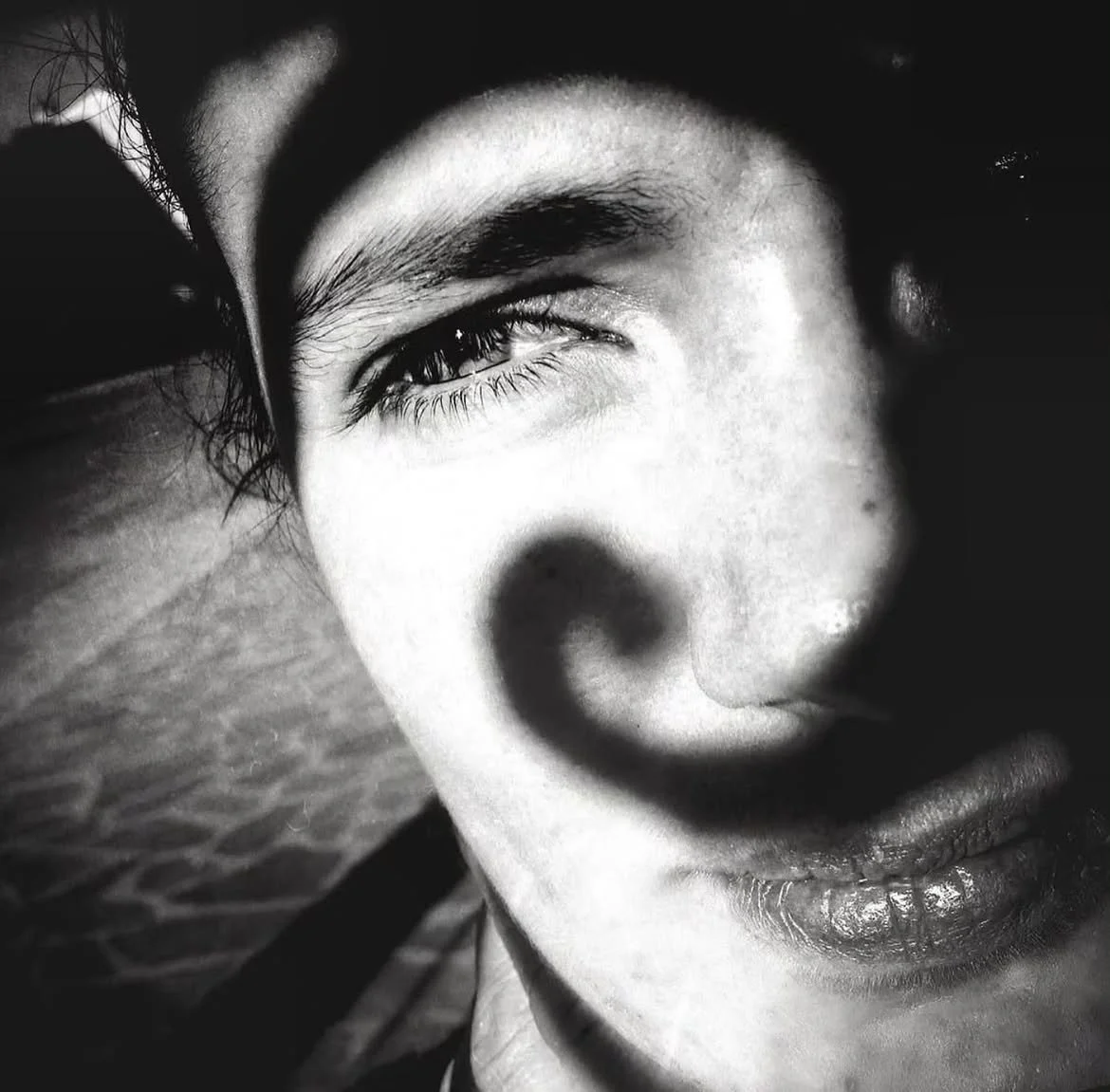
(c) Leone Von Dizic
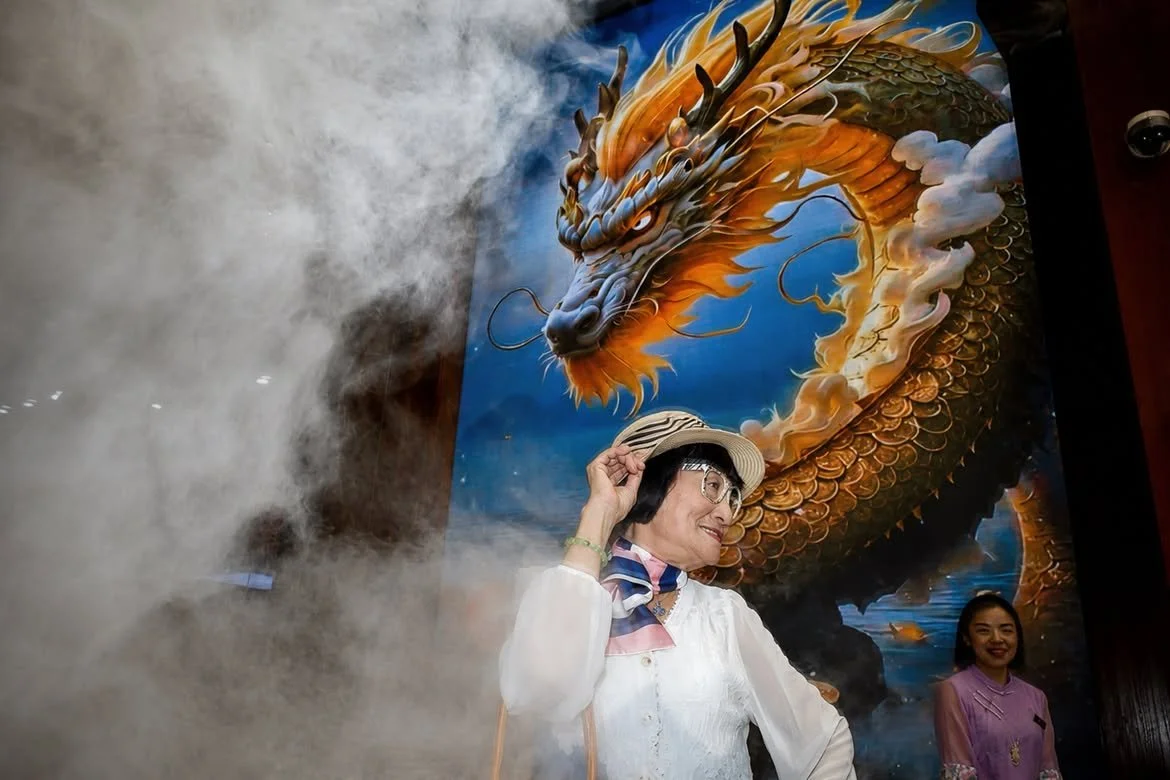
(c) Leone Von Dizic
Congratulations on being awarded First Place Winner at the Pure Street Photography Awards 2026, Leone! How does it feel to see your photograph go from an award submission to an internationally recognised winning image, receive worldwide press coverage from The Guardian to Forbes, and now be exhibited in Jaipur, India, in November 2026?
It has been a truly special journey, especially because I believe deeply in the work and passion that Dimpy Bhalotia and Kamal Kumaar Rao put into this wonderful project. When you enter a competition, you never know where an image might end up, or whether it will manage to connect with someone on the other side.
Being selected among the winners of the Pure Street Photography Awards 2026 gives me great satisfaction, but above all, it makes me feel that a photograph born from a chance encounter on the street can travel much farther than I ever imagined. Photography has the power to bring people together, regardless of distance.
The thought of having my photograph exhibited in Jaipur, on the other side of the world, this November is particularly moving for me. A photograph born in just a few seconds, in an ordinary place, will take on a new life and meet people I will probably never meet myself. And perhaps that is one of the things I love most about photography: you take a photograph in a single instant, but you never know how far it might travel.
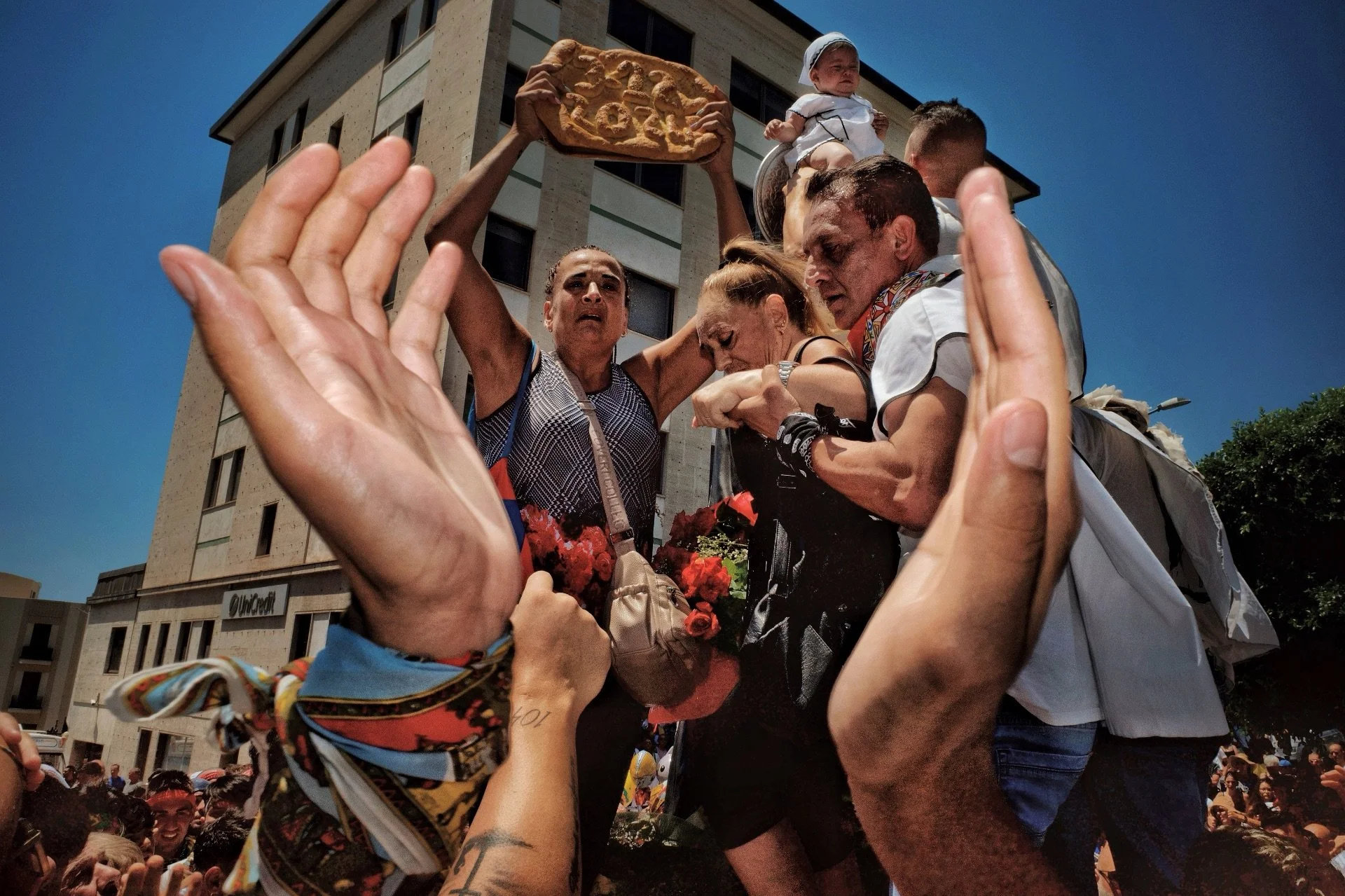
(c) Leone Von Dizic (Italy), First Place Winner, “Threshold”
We would love to know more about you! Who you are and where you're from? When did you start street photography?
I’m Leone, I’m Italian, Sicilian, and I’ve been passionate about photography for as long as I can remember. I recall that for my seventh birthday, my grandmother asked me what I wanted as a present. I didn’t ask for a toy. I asked for a camera. She gave me a Polaroid, which I still keep today like a relic.
I started doing street photography almost out of a personal necessity. Over the years, I explored different genres of photography, but it was the street, with its unpredictable nature, that gave me something the others couldn’t: fragments of humanity, chance encounters, gestures, faces and situations that, each time, seemed to hand me another small piece of the puzzle, helping me understand something more about myself.
What inspired you to become a street photographer?
The need to document the humanity around me, and the high degree of improvisation. For many years I played jazz, and in street photography I find the same things I loved about music: unpredictability, listening, instinct, and above all, improvisation. The street has no score. You don’t know what is going to happen, you can’t direct the protagonists, and often you have only a few seconds to decide. You have to be present, ready to listen to what is happening and turn it into something. The street will give you extraordinary gifts of humanity, if only you know how to listen to it.
How would you describe your work in terms of style and/or approach?
I like to think of my photography as humanistic street photography, with the human being always at the centre, but never simply as a subject to be documented. I’m drawn to presence: to strangeness, vulnerability, humour, and those unpredictable little contradictions that make us human.
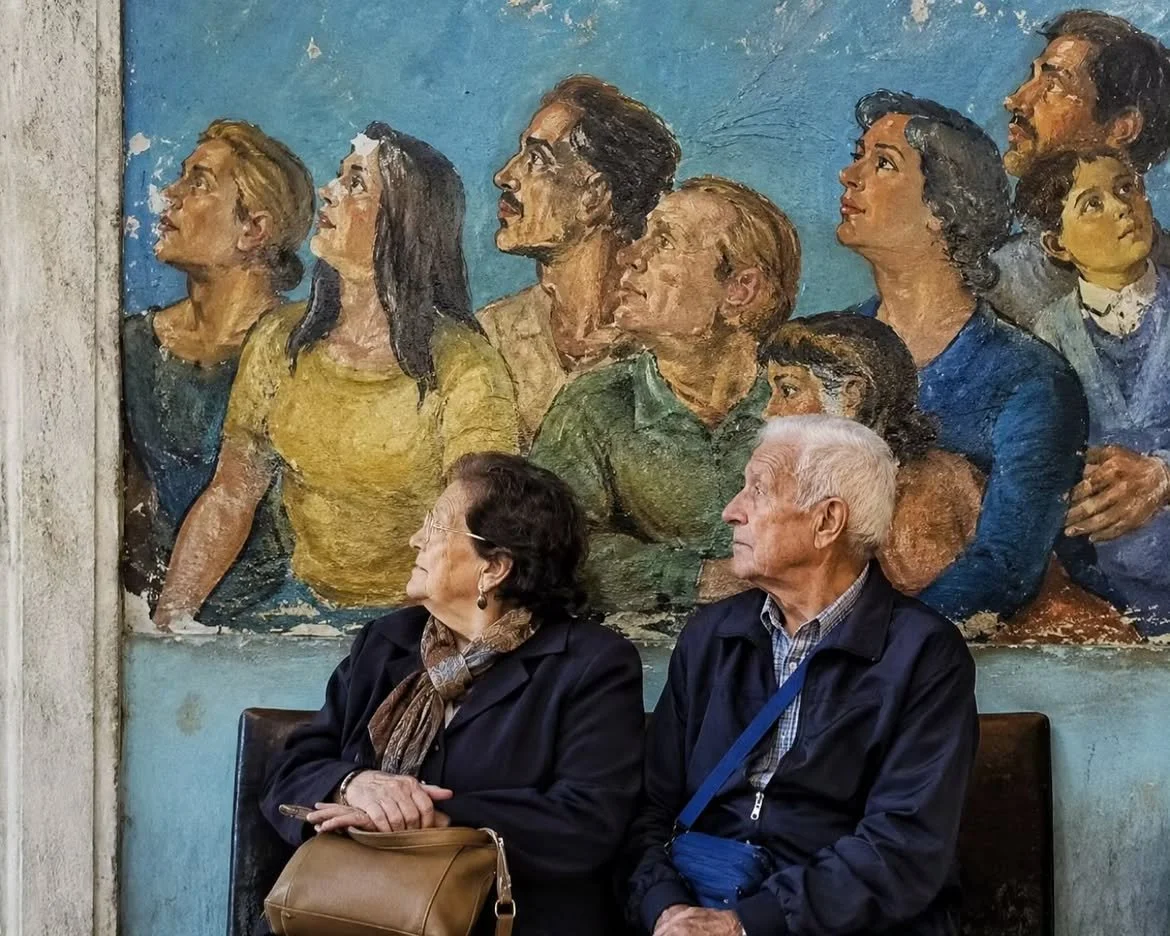
But there is something more personal underneath it all. Every person I photograph becomes a kind of mirror. I may set out to photograph someone else, but somehow I always end up photographing a part of myself. Every face, every gesture, every accidental encounter becomes a fragment of a larger puzzle, a way of looking outward in order to understand what is happening within.
Perhaps that’s why I keep photographing strangers: I’m still trying to discover who I am among all those faces.
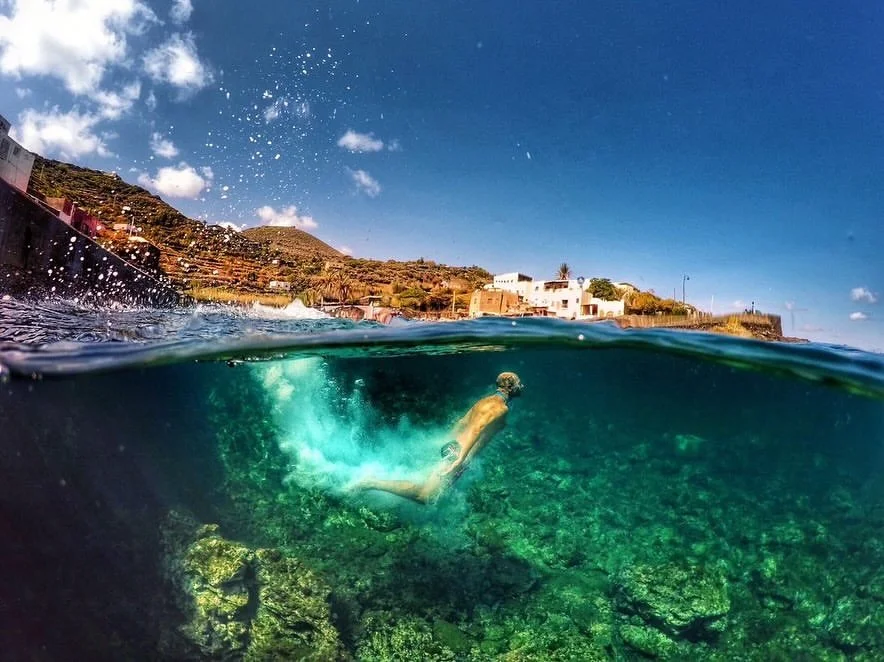
(c) Leone Von Dizic
(c) Leone Von Dizic
What is your photography routine like? Do you photograph every day?
My photography routine, in fact, isn’t really a routine at all. There are periods when I’m extremely active and constantly stimulated, especially when I’m travelling, surrounded by unfamiliar cities and cultures waiting to be discovered. That’s when I can spend hours walking, observing and photographing, almost as if the camera were an extension of my curiosity.
Then there are other periods when I feel the need to step completely away from photography. I read, write, play music, contemplate nature and simply allow myself to do other things. I need these pauses to recharge my batteries, but also my eyes and my ideas.
It’s during these pauses that the bow bends, gathering the energy needed to release the arrow. And when that moment comes, I’m back out on the streets, camera in hand, hunting for photographs.
What camera or mobile device do you use for photography? Do you shoot digitally, on film, or a mix of both?
My archive is full of photographs made with all kinds of tools. I love experimenting with different cameras, both analogue and digital, mobile devices, Lomography, pinhole photography, and anything else that can offer me a new perspective. Lately, however, I have been using mainly a Ricoh GR III with flash and a Nikon D800 with an ultra-wide-angle lens and flash.
What challenges do you face when photographing on the street?
The biggest challenge is being ready. Even before I go out, I imagine the photograph I’d like to bring home from my photographic hunts. I try to anticipate what might happen, but the street almost always finds a way to surprise me. The real challenge is right there: to look, to see, to compose, and, when the moment comes, to be ready to press the shutter.
Do you ever wonder what happens to the people in your photos?
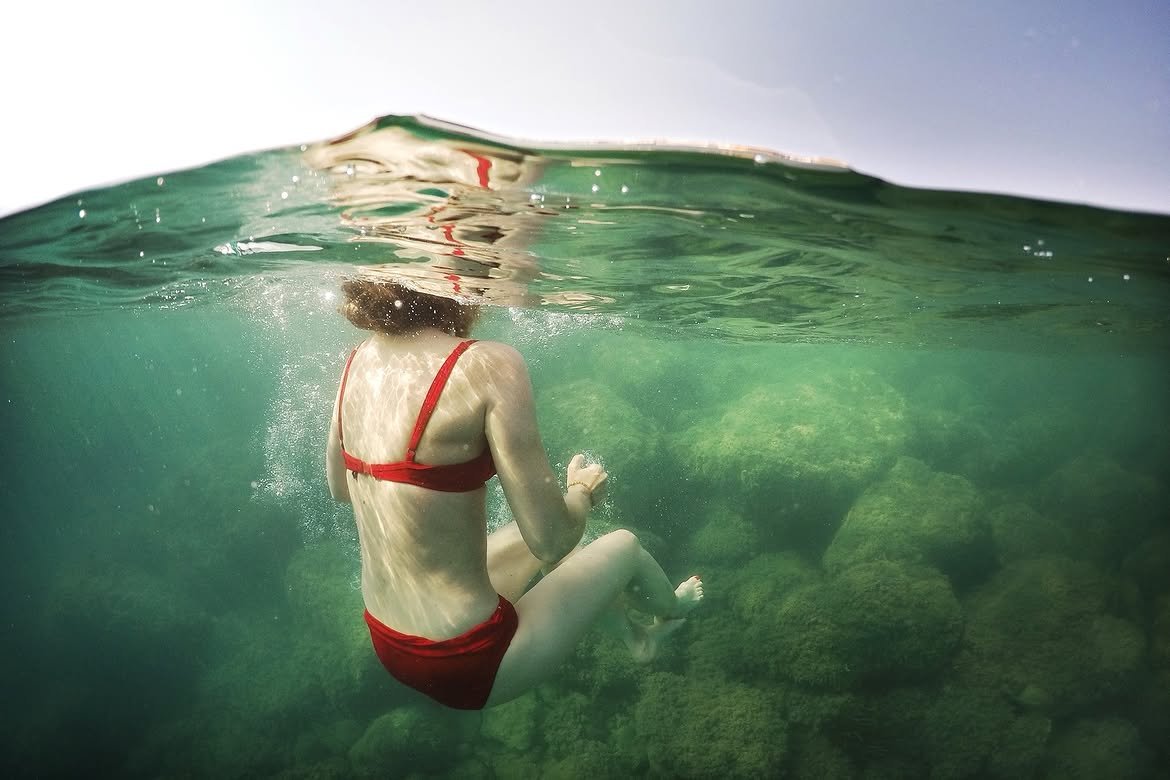
Always. Especially when, years later, I look back at photographs I took in different places and those faces reappear from my archive. In an instant, the emotions I felt at that moment come rushing back, and I inevitably find myself wondering: I wonder where that person is today. What are they doing? What kind of life are they living?
It’s one of the most beautiful things about street photography: you capture someone for an instant, but that instant continues to live somewhere, even without you.
(c) Leone Von Dizic
(c) Leone Von Dizic
In your opinion, what is the biggest misconception people have about street photography?
It’s difficult to give street photography a clear and precise definition, and perhaps it is precisely this elusive nature that creates some of the misconceptions surrounding the genre.
Certainly, street photography isn’t simply about photographing people or things in the street. It means immersing yourself completely in the life unfolding around you and, through photography, managing to extract its soul: the soul of a moment, a particular light, a gesture, a glance or an encounter. Street photography is always a deeply personal matter.
Ultimately, it’s not so much about photographing what we see, but about learning to see what would normally escape us.
What are your favourite elements to capture in a street photograph? (light, colour, composition, human interaction, etc.
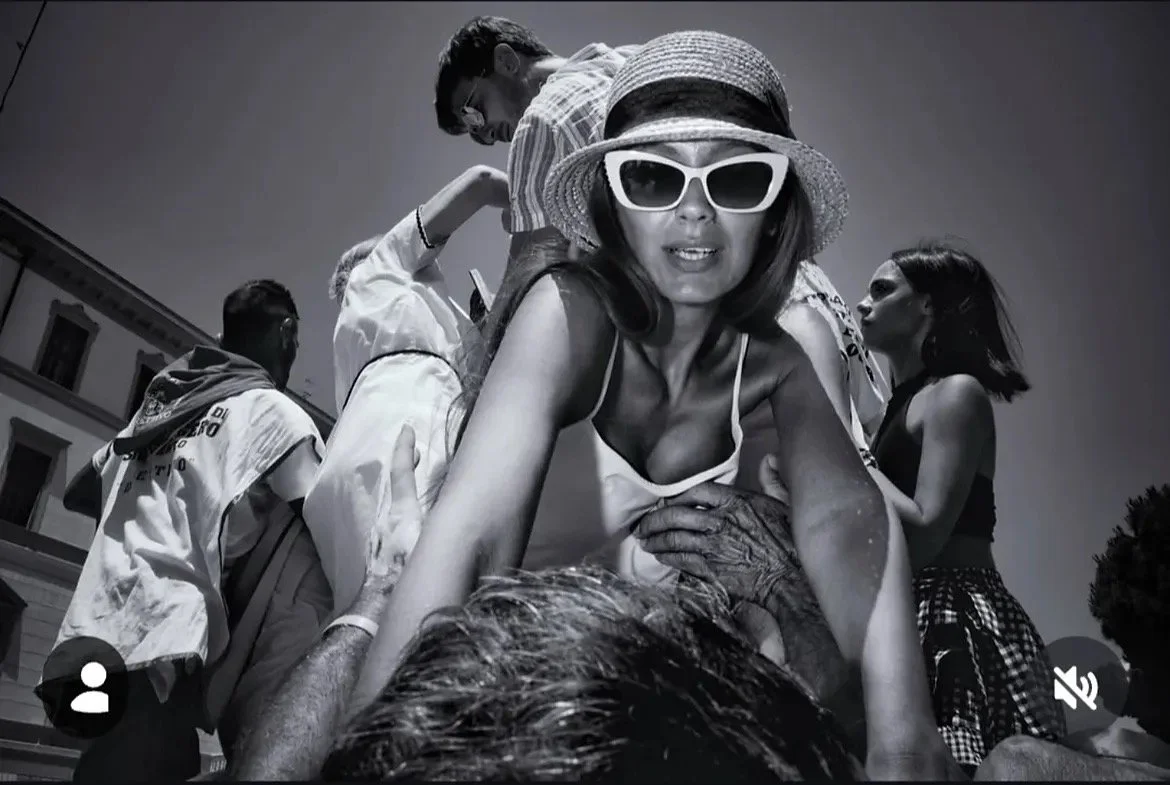
Well, to be honest, all of the elements you mentioned. But it’s rarely a single element that makes me press the shutter. It’s the sudden meeting of all of them: light, colour, composition, a gesture, a glance, an interaction. Sometimes, for a fraction of a second, everything falls perfectly into place and the scene seems to hold its breath. And then there’s no time to think. You can only recognise the moment, raise your camera and press the shutter. Perhaps that’s what I’m looking for more than anything else: that precise instant when reality, if only for a moment, becomes something incredible and magical.
What is your take on social media influence on street photography?
As with everything, there are both positive and less positive aspects to consider. We cannot deny the strong “democratic” impulse that social media have given to photography and photographers, exponentially increasing everyone’s chances of being seen and discovered. Nor can we overlook their ability to bring people together, creating opportunities to connect and exchange ideas with photographers, artists and creative minds from all over the world.
That said, I think it is important not to fall into the trap of considering social media the beginning and the end of the photographic process. Photography goes beyond that. It cannot be reduced to an endless scroll, nor can it be entrusted to algorithms whose ultimate goals often have little to do with photography or art.
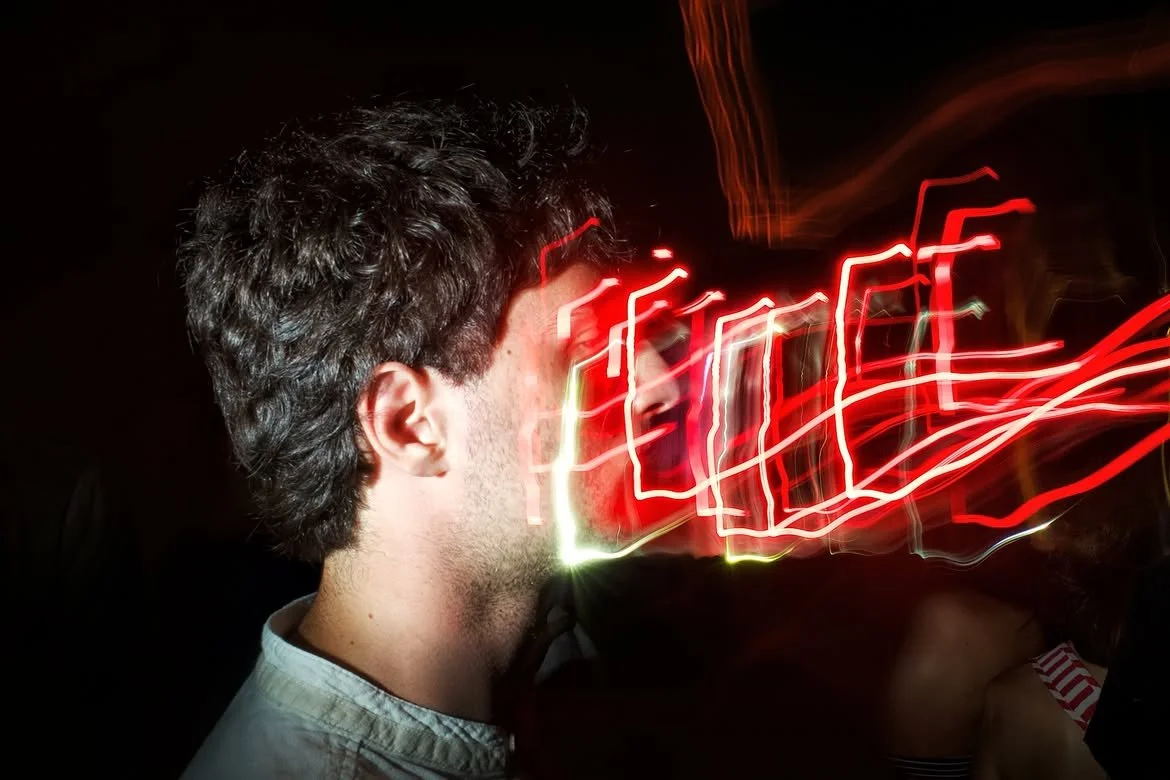
We should never forget that photography is a creative act, and for me, it also finds its fulfilment in the print. That is where an image stops being merely a file or something passing across a screen and becomes matter, object, presence. Something you can hold in your hands, look at without rushing, and experience as something with its own dignity and life, far beyond the simple act of scrolling.
Are your prints available for purchase? If so, where can art buyers and collectors contact you to purchase them?
Yes, my prints are available for purchase. I’m currently working on making the process more structured, but collectors and anyone interested in acquiring one of my photographs can contact me directly through my social media or by email.
(c) Leone Von Dizic
(c) Leone Von Dizic
What advice would you give to aspiring photographers?
I’m not really the type to give advice, but I can tell you what I do. For me, photographing means meeting the world. So I try to remain as open, curious and receptive as possible to whatever happens around me. I don’t follow a predetermined direction: I go out, I walk, I look, and I let the street, with all its encounters and surprises, show me where to go. Perhaps the only advice I can offer is this: don’t look too hard for the photograph. Sometimes, let the photograph find you.
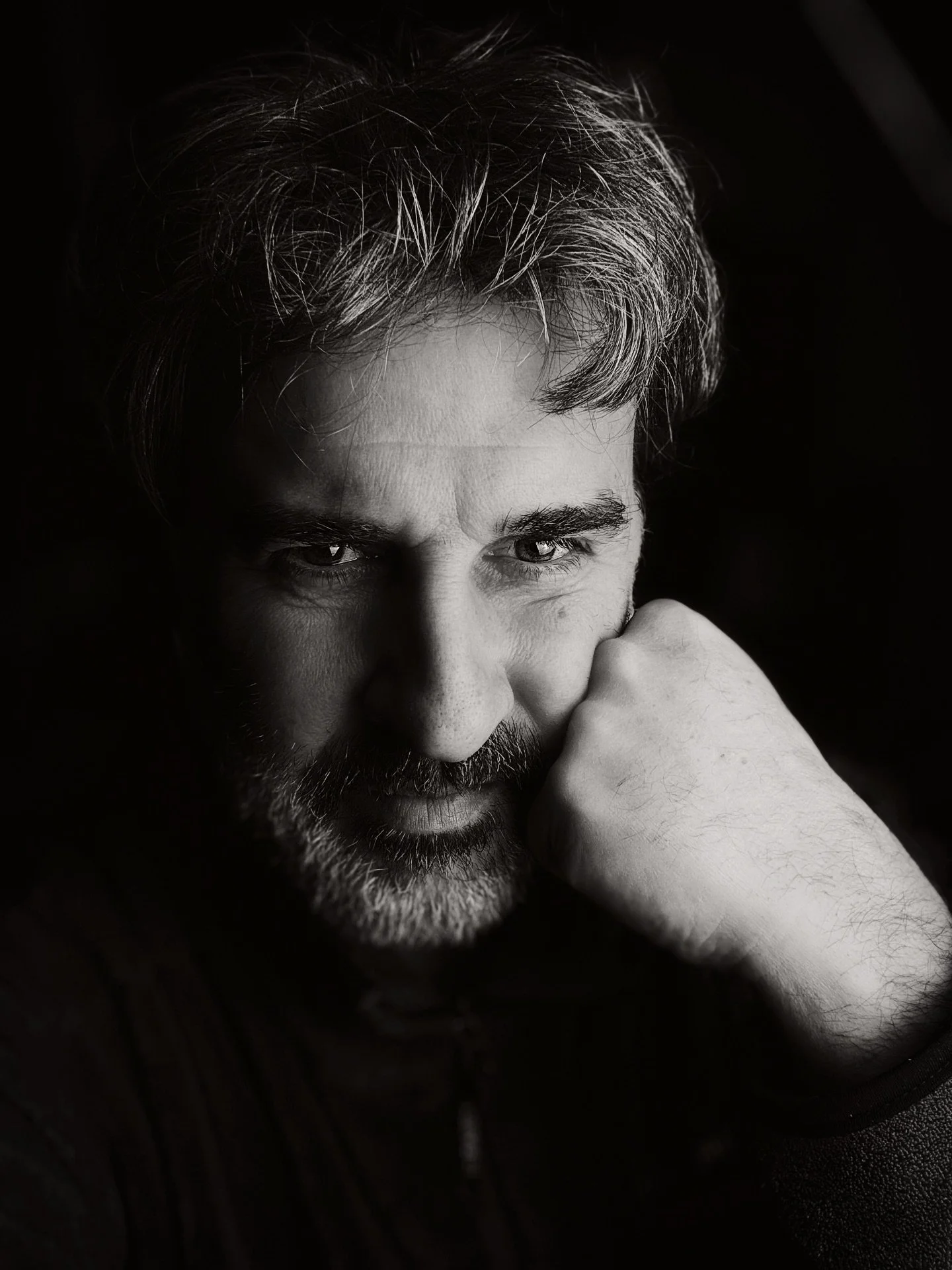
In Frame : Leone Von Dizic