
Marco Cajazzo, Third Place Winner of the Pure Street Photography Awards 2026, Celebrated for His Striking Visual Coincidences, Vivid Colour and Impeccable Timing
An Exclusive Interview with Pure Street Photography
Discover how Marco trains himself to see familiar streets as if for the first time, searching for visual coincidences, layered scenes and flashes of humour that can turn everyday reality into something wonderfully unexpected.
Interview by Dimpy Bhalotia and Kamal Kumaar Rao
1/10/2026
(c) Marco Cajazzo
(c) Marco Cajazzo
Congratulations on being awarded Third Place at the Pure Street Photography Awards 2026, Marco! How does it feel to see your photograph go from an award submission to an internationally recognised winning image, receive worldwide press coverage from The Guardian to Forbes, and now be exhibited in Jaipur, India, in November 2026?
This journey has been both exciting and deeply meaningful to me. When I submitted my work to the Pure Street Photography Awards, I never imagined that the photograph would eventually receive such an important recognition. Being selected among the winners, and ultimately receiving Third Place, was a wonderful surprise and a great source of pride.
What makes this recognition particularly special is not only the result itself, but the people behind it. Knowing that my photograph was considered by a jury with such a strong understanding of photography, including Fiona Shields, Head of Photography at The Guardian, makes the award even more meaningful to me. It is a great encouragement to continue following my own vision.
Having the photograph exhibited internationally in Jaipur in November is another extraordinary part of this journey. Street photography is born in very specific places, but a good photograph has the ability to cross borders and communicate with people who may have completely different backgrounds and experiences. The thought that an image I made in my own environment will be seen by an international audience in India is incredibly rewarding.
For me, this recognition is not a destination, but a motivation. It reminds me that photography is a constant journey of observation, curiosity and discovery — and that sometimes, a single fleeting moment can travel much further than you ever imagined
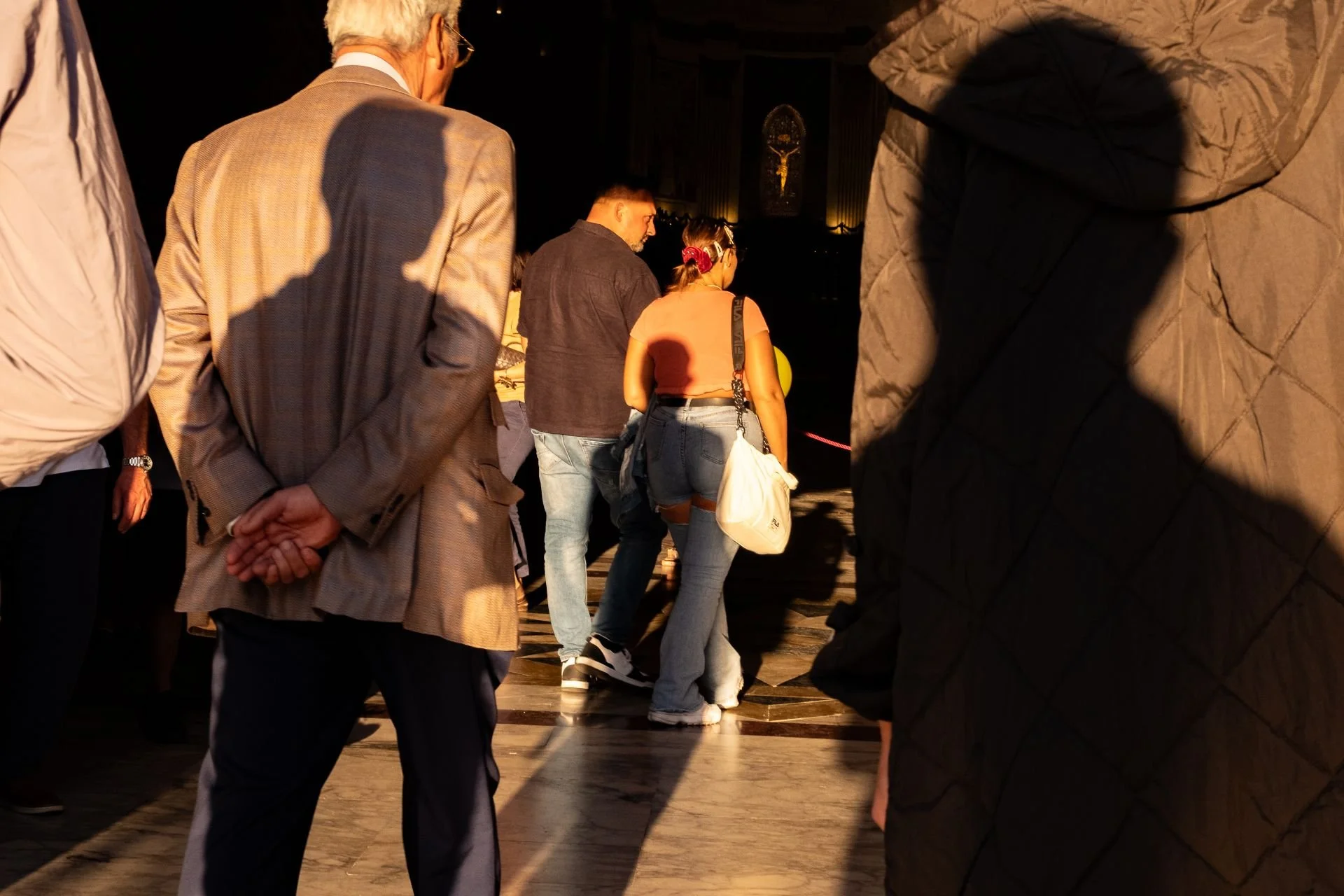
(c) Marco Cajazzo (Italy), Third Place Winner, “The Last Light”
We would love to know more about you! Who you are and where you're from? When did you start street photography?
I’m Marco Cajazzo, a street photographer from Catania, Sicily, in the south of Italy. Growing up surrounded by the Mediterranean, with its intense light, strong characters, and deeply rooted traditions, has inevitably shaped the way I see and photograph the world.
I came to street photography relatively late, but once I discovered it, I immediately felt that it was the language I had been looking for. I was drawn to the unpredictability of the streets — those fleeting moments when light, people, gestures, and circumstances come together for just a fraction of a second.
For me, street photography is not simply about documenting what happens around us. It is about being present, observing patiently, and waiting for something unexpected to reveal itself. I’m particularly interested in the relationship between people and their environment, and in those small, often unrepeatable moments that can transform an ordinary scene into something meaningful.
Since then, street photography has become a way of looking at the world — and, in many ways, a way of understanding it.
What inspired you to become a street photographer?
My inspiration came from a combination of encounters with photography and, above all, from the realization that the street could be an extraordinary place for discovering and telling stories.
A particularly important moment for me was visiting the Vivian Maier exhibition at the Palazzo della Cultura in Catania in 2017. Seeing her photographs had a profound impact on me. I was fascinated by the way she could observe ordinary people and everyday situations with such sensitivity, while remaining almost invisible. Her photographs showed me that the extraordinary can be found in the most ordinary moments, if you are patient enough to see them.
I have also always been deeply inspired by Elliott Erwitt and his unique approach to street photography. His ability to combine irony, emotion and perfect timing taught me that a photograph can say something profound without necessarily being serious or dramatic.
How would you describe your work in terms of style and/or approach?
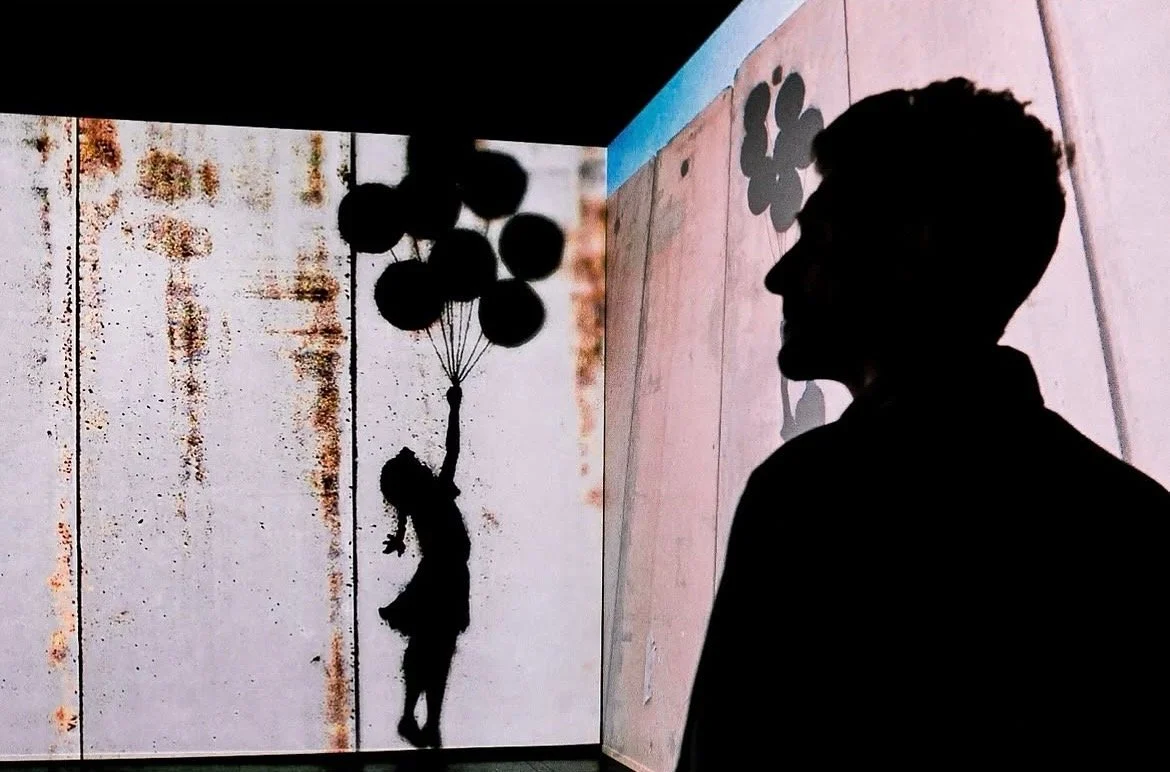
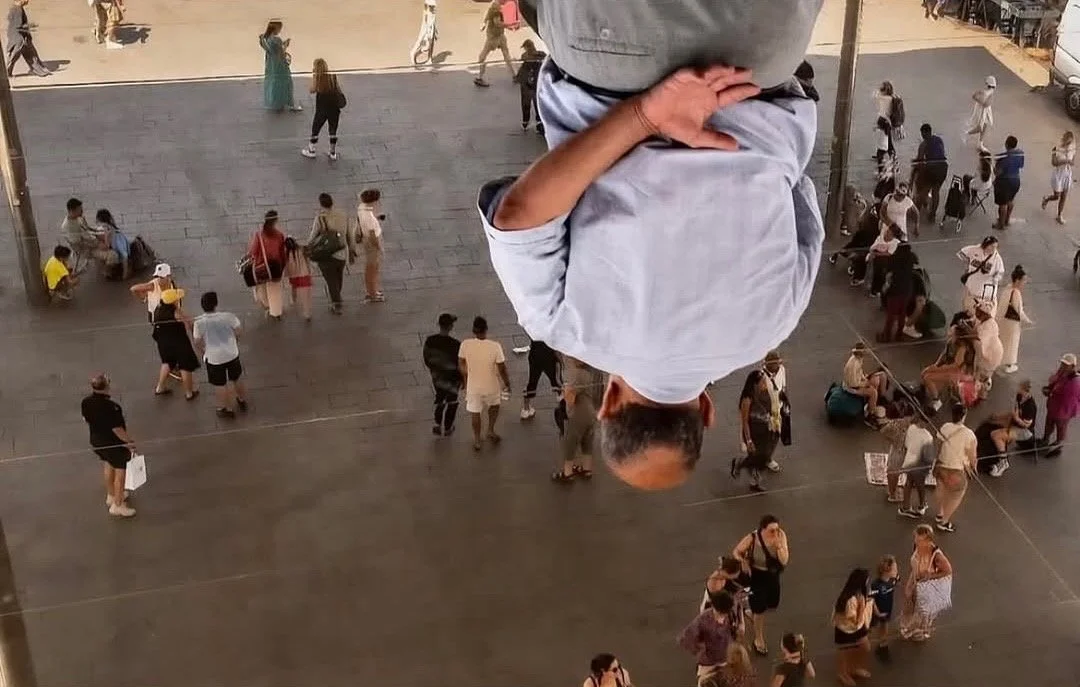
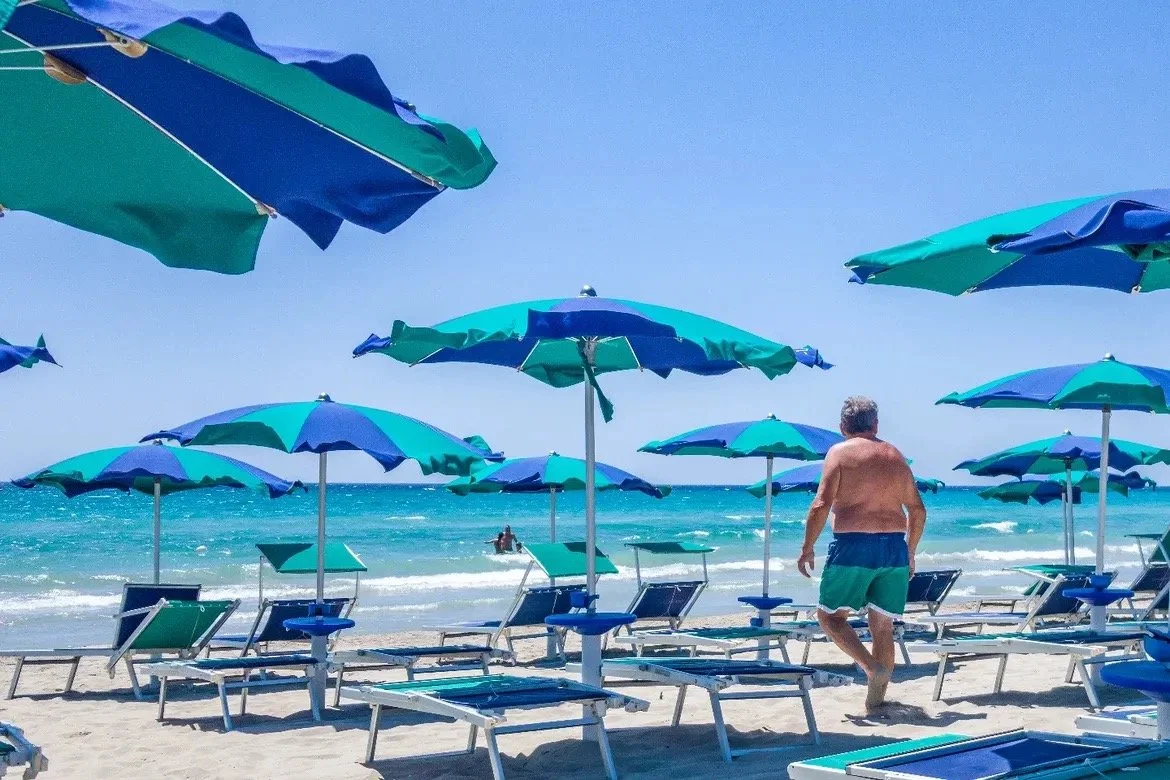
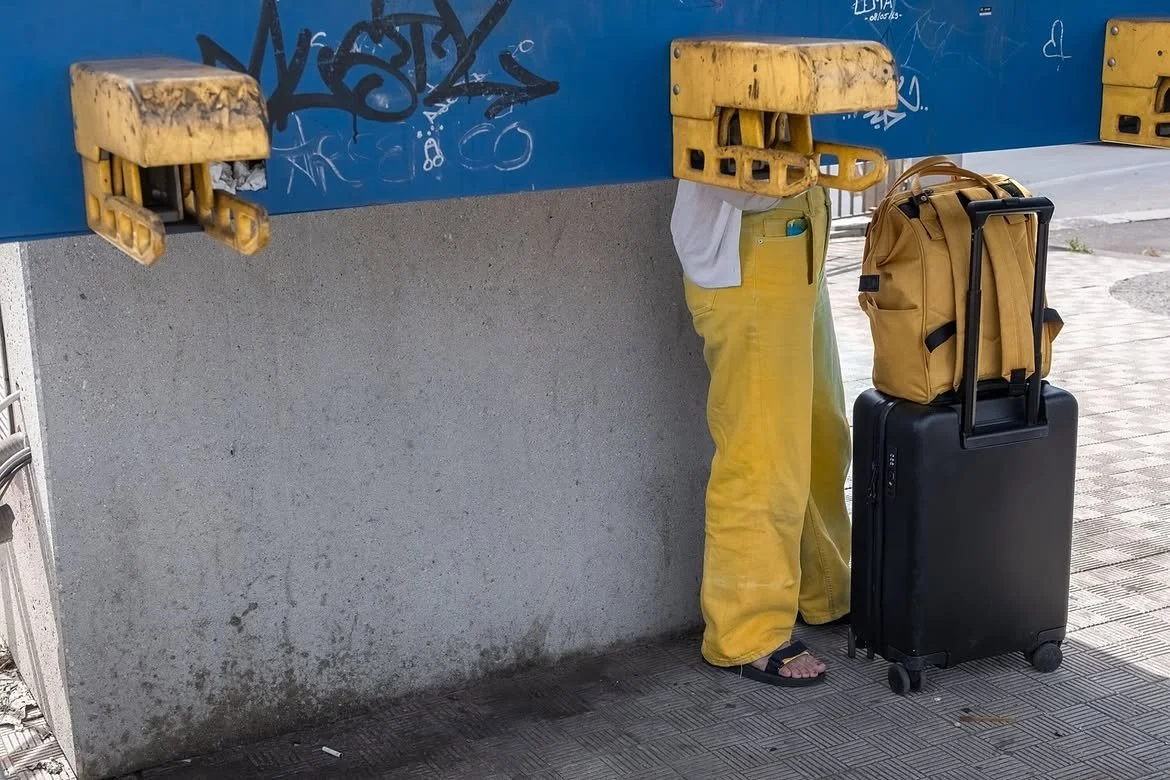
I would describe my approach as an attempt to find the unexpected within the everyday. I’m particularly drawn to visual coincidences, layers and overlaps — those moments when different elements come together in an almost impossible way, creating a surreal or ambiguous scene.
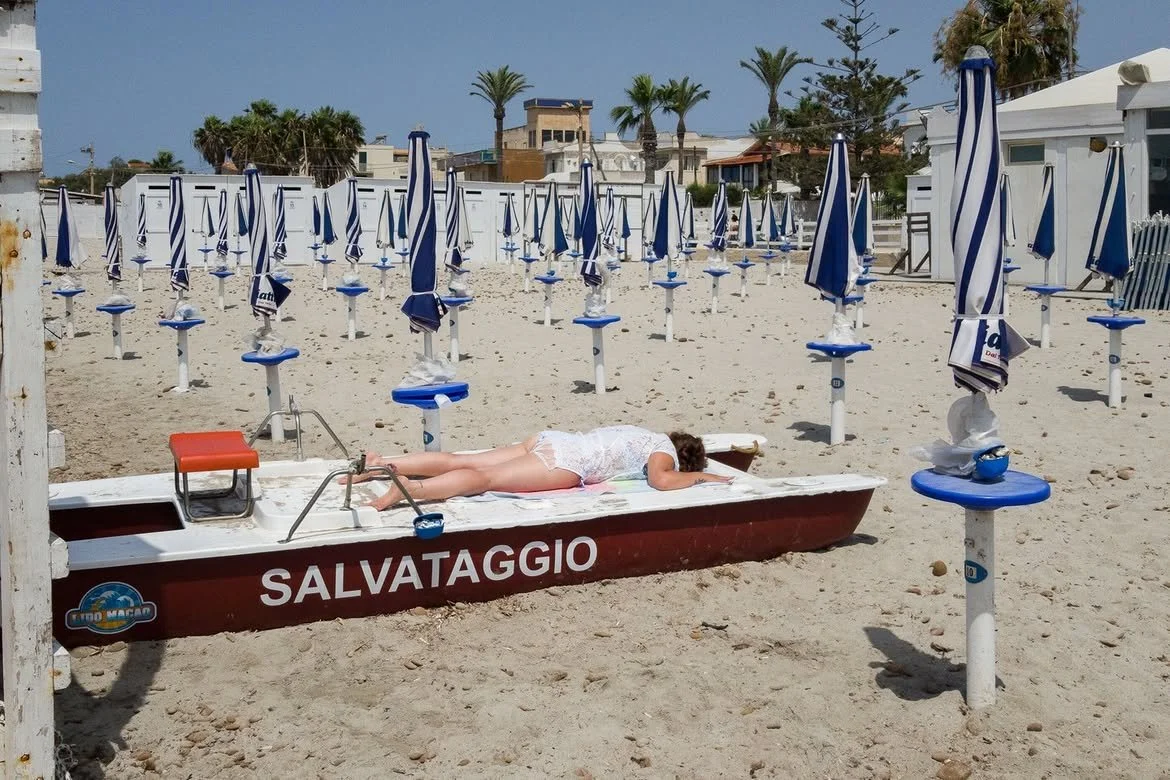
I love photographs that make you stop for a moment and look again, perhaps because something doesn’t immediately make sense. A strange gesture, an unexpected juxtaposition, or a small detail can completely transform an otherwise ordinary situation. And I’m especially attracted to moments that make people smile, because humor and irony are such an important part of everyday life.
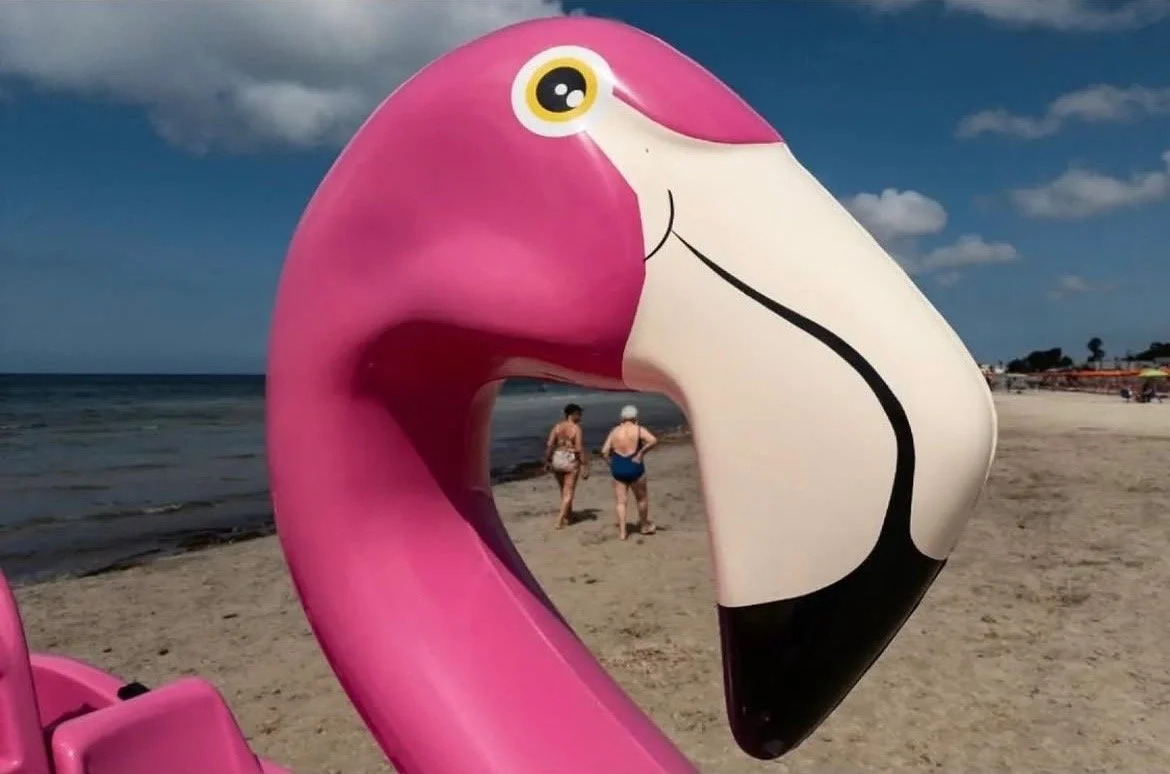
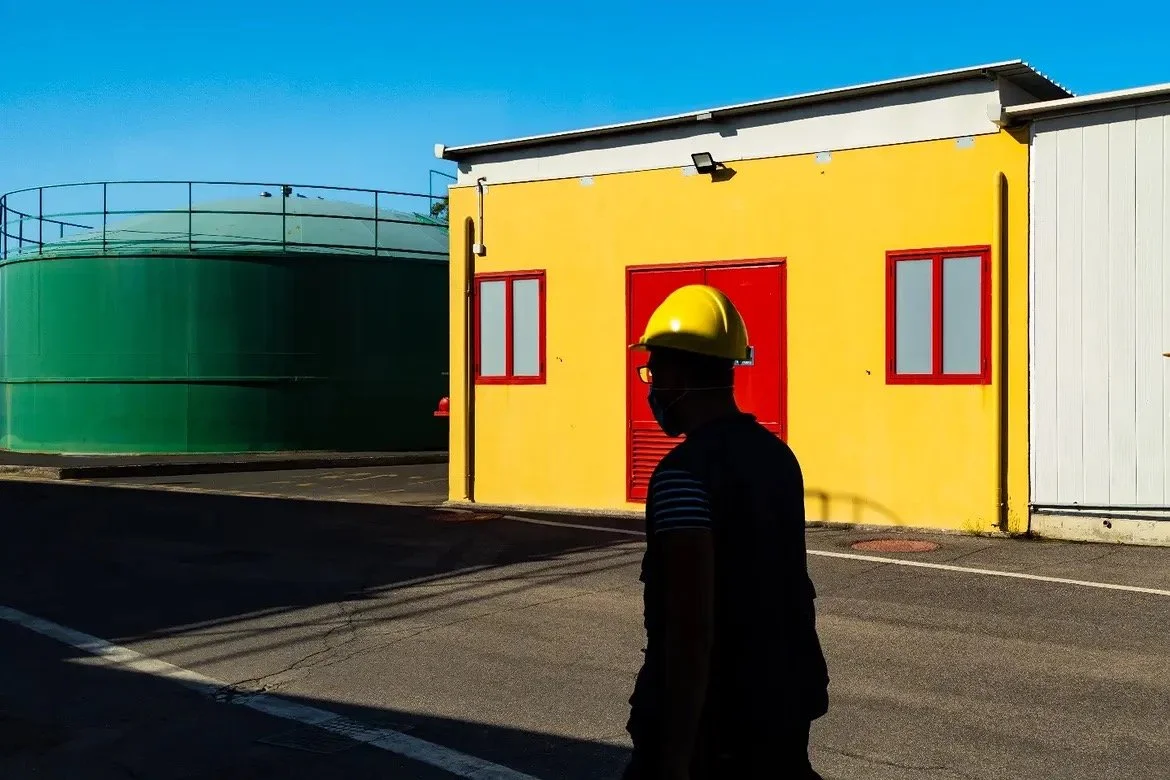
Colour also plays a fundamental role in my photography. I’m deeply influenced by Alex Webb and his extraordinary use of vivid, complex colours. His photographs showed me how colour can become more than just an aesthetic element — it can create tension, rhythm and depth, and allow several stories to coexist within the same frame.
(c) Marco Cajazzo
(c) Marco Cajazzo
What is your photography routine like? Do you photograph every day?
I don’t photograph every day, mainly because my profession as a software engineer doesn’t allow me the time I would like to devote to photography. But whenever I can, I go out with my camera.
At least once a week, I try to spend some time walking through the streets of Catania, the city where I live, without a precise destination or a predetermined shot in mind. I simply let myself get lost in the streets, observe what is happening around me, and remain open to whatever might unfold.
For me, this is perhaps the most important part of street photography: the pleasure of observing. I don’t go out with the sole purpose of taking photographs. I go out to look, to notice people, gestures, light, colours, relationships and unexpected situations. Sometimes nothing happens, and that is perfectly fine. Other times, that simple act of observation leads to a photograph that I find interesting.
I believe that good street photography begins with looking before it begins with pressing the shutter. The camera is almost a consequence of that curiosity.
What camera or mobile device do you use for photography? Do you shoot digitally, on film, or a mix of both?
I shoot digitally, using Fujifilm cameras. My two main cameras are the Fujifilm X100V and the Fujifilm X-T5, which I usually pair with a 23mm lens.
The 23mm focal length has become my natural choice for street photography. On an APS-C sensor, it gives me an equivalent field of view of roughly 35mm, which I find ideal for staying close to the action while still allowing enough context to remain within the frame.
I appreciate the simplicity and immediacy of this setup. The X100V, in particular, is a camera I love for its compactness and discreet presence, while the X-T5 gives me greater flexibility when I need it. Both allow me to concentrate on what matters most to me: observing, anticipating and being ready when that fleeting moment appears. I shoot exclusively digital at the moment. I have great respect for film photography, but digital suits the way I work.
What challenges do you face when photographing on the street?
One of the biggest challenges I face is learning to accept that street photography is ultimately about uncertainty. You can walk for hours and come home with nothing, and then, in a fraction of a second, everything can suddenly come together.
Another challenge is finding the right balance between being present and remaining invisible. I want to be close enough to the scene to capture its energy and spontaneity, but without interfering with what is happening. Street photography requires patience, sensitivity and, above all, respect for the people you encounter.
There is also the constant challenge of resisting the temptation to photograph everything. I try to be selective and wait for something that genuinely catches my attention — a gesture, a relationship between people, an unusual juxtaposition, a particular quality of light. And perhaps the greatest challenge is keeping your eyes and mind open. Even when you know your own city extremely well, you have to avoid seeing it automatically. You need to look at familiar places as if you were seeing them for the first time. That is often when the most interesting photographs reveal themselves.
Do you ever wonder what happens to the people in your photos?
Yes, I often wonder what happens to the people in my photographs. Street photography captures very brief moments in someone else's life, and sometimes I find myself imagining who they are, where they were going, or what happened to them after that instant.
At the same time, I believe that photographing people in the street comes with a responsibility. Respect for the people I photograph is fundamental to the way I work. I never try to hide or photograph people from a concealed position. I am always present in the street with my camera visible, and I prefer to photograph openly rather than secretly.
For me, street photography is not about taking something from people, but about observing the shared public space we all inhabit. Even when I don't know the people in my photographs, I try to portray them with dignity and respect. They are not simply subjects; they are individuals whose presence, gestures, and interactions help create the story within the image.
Perhaps that is why I sometimes continue to think about them after taking the photograph. Even though our paths may have crossed for only a second, they have become an important part of a moment that, thanks to photography, will continue to exist.
(c) Marco Cajazzo
(c) Marco Cajazzo
In your opinion, what is the biggest misconception people have about street photography?
I think one of the biggest misconceptions is that street photography is simply about photographing strangers in public places. In reality, for me, it is much more about observation, anticipation and the ability to recognize a meaningful or visually interesting moment when it appears.
Another misconception is that a good street photograph is just a matter of luck. Of course, chance plays an important role — you cannot control what happens in the street — but being able to recognize the moment requires patience, experience and a trained eye. You have to be there, you have to be looking, and you have to be ready.
Ultimately, street photography is less about taking photographs of people and more about discovering something in the world that might otherwise go unnoticed. It is the pleasure of looking, waiting and being surprised by reality.
What are your favourite elements to capture in a street photograph? (light, colour, composition, human interaction, etc.)
I wouldn’t say there is one particular element that I am always looking for in a street photograph. In fact, it is the combination of all these elements that attracts me: light, colour, composition, human interaction and the relationship between people and their surroundings.
I have a particular fascination with overlaps and visual coincidences, especially when several elements come together within the same frame and create a sense of complexity or ambiguity. I also love the interaction between people, as well as the way people relate to the environment around them.
Layering is another important aspect of my photography. I enjoy building images in which different planes, subjects and details coexist, allowing the viewer to discover something new each time they look at the photograph. And, of course, colour plays a fundamental role. I love vivid colours, but I believe they need to be used purposefully and in harmony with the composition. When light, colour, people, shapes and layers come together naturally, that is when I feel a photograph becomes truly interesting.
So, rather than searching for one specific element, I’m looking for that moment when several of these things unexpectedly come together in a single frame.
What is your take on social media influence on street photography?
I think social media has had a profound influence on street photography, and Instagram in particular has played an important role in making the genre more visible and accessible to a much wider audience. I use Instagram myself, and I appreciate it as a way to share my work, discover other photographers and, most importantly, see different ways of looking at the world. It can be a wonderful source of inspiration and a place for photographers from very different backgrounds to connect.
At the same time, I think there is a risk in allowing social media to influence too much the way we photograph. The desire for likes, followers or engagement can sometimes lead photographers to create images based on what is currently popular rather than on their own personal vision. Trends can become very powerful, and it is easy to start photographing for an audience rather than for yourself.
For me, Instagram is a window, not a compass. I use it to share and to learn, but I don't want it to determine what I photograph or how I see. I believe that developing a personal visual language is much more important than following what happens to be successful online. Ultimately, street photography happens in the real world, not on a screen. The streets are where I find my inspiration, and Instagram is simply where I choose to share some of what I discover there.
Are your prints available for purchase? If so, where can art buyers and collectors contact you to purchase them?
Until now, I have never really considered selling prints of my photographs, as photography has always been, first and foremost, a personal passion and a way of expressing how I see the world.
That said, if someone is genuinely interested in purchasing one of my photographs, I would be very happy to hear from them. I would be honoured to know that one of my photographs has found a place in someone's home or collection.
The easiest way to get in touch with me is through Instagram, where I share my work. I’m always happy to have a conversation with anyone interested in my photography.
(c) Marco Cajazzo
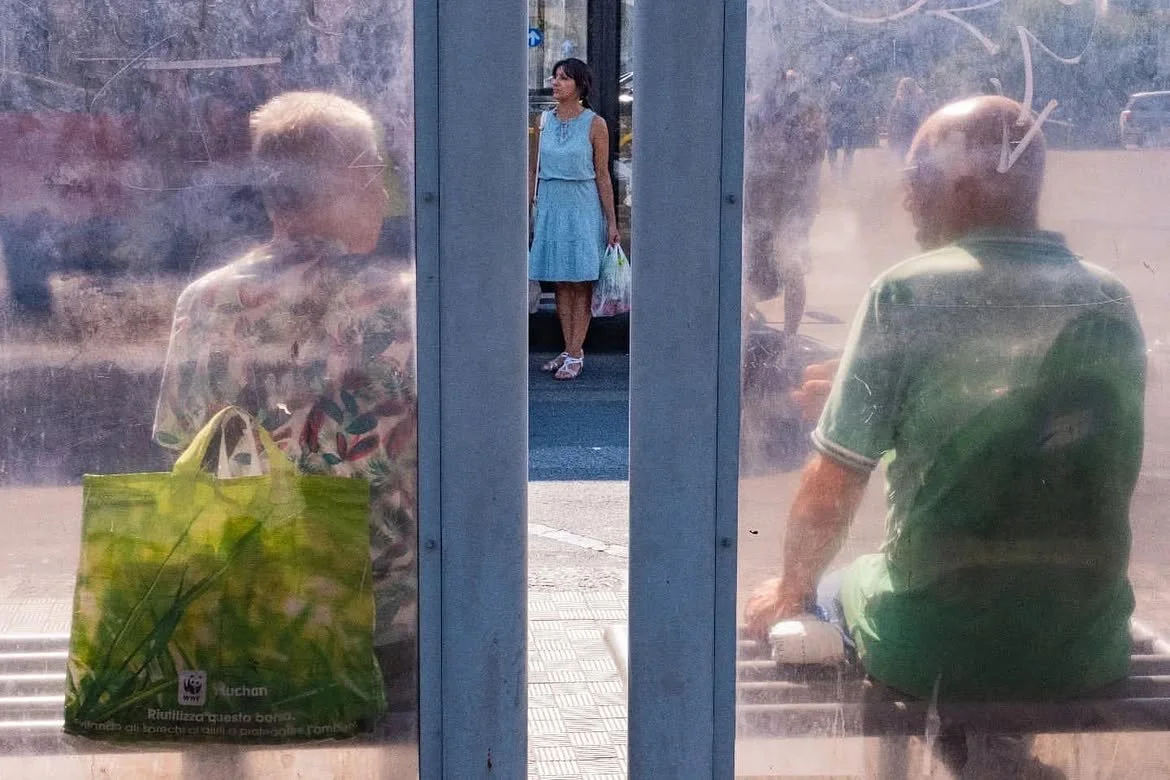
(c) Marco Cajazzo
What advice would you give to aspiring photographers?
My advice would be simple: learn to observe before you learn to photograph.
In street photography, it is easy to become obsessed with the camera, the lens, the settings, or with taking as many photographs as possible. But the most important tool is your eye. Walk, observe, wait and allow yourself to become familiar with the places you photograph. Sometimes the best photograph comes only after spending time doing nothing but looking.
I would also encourage aspiring photographers to develop their own vision rather than trying to reproduce what is already popular. Study the work of photographers you admire, learn from them, but don't be afraid to move in your own direction. Your photographs should ultimately say something about the way you see the world.
And perhaps most importantly, be patient. Street photography can be frustrating. There will be days when you come home with nothing, but those days are part of the process. Keep going out, keep looking, and trust your curiosity.
Finally, photograph because you enjoy it. If you retain that pleasure and that sense of discovery, the photographs will eventually follow
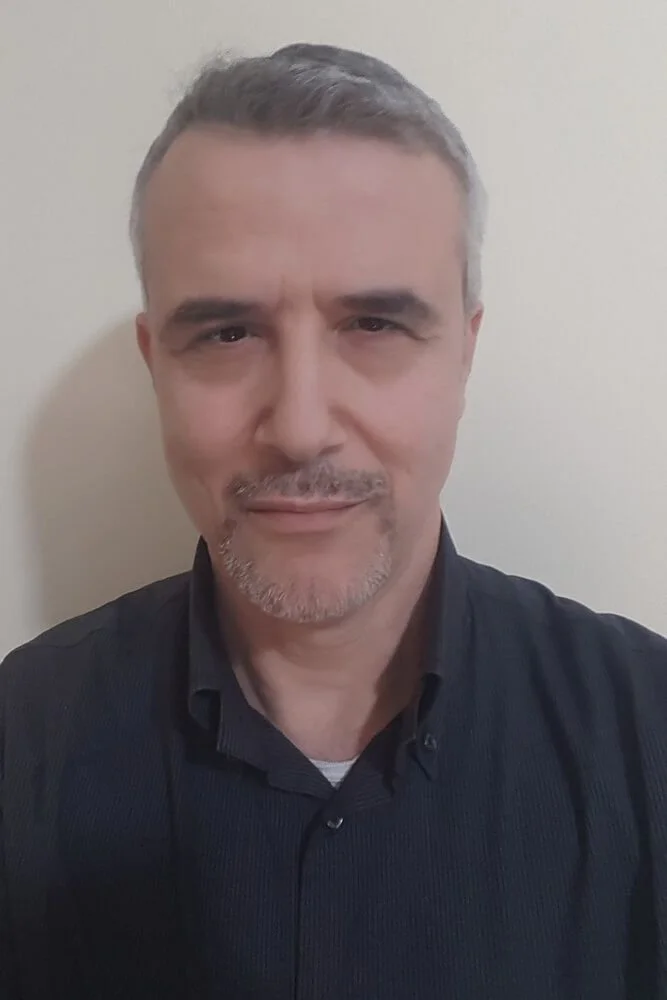
In Frame : Marco Cajazzo