
Mark Zilberman, A Fearless Flash-Driven Street Photographer Known for Incredible Instinctive Shooting and Raw Human Emotion
An Exclusive Interview with Pure Street Photography
Discover Mark’s instinct-driven approach to street photography as he shares his thoughts on spontaneity, gesture and emotional impact, explaining why powerful human moments matter more than rules, perfection or technical precision.
Interview by Dimpy Bhalotia and Kamal Kumaar Rao
28/03/2026
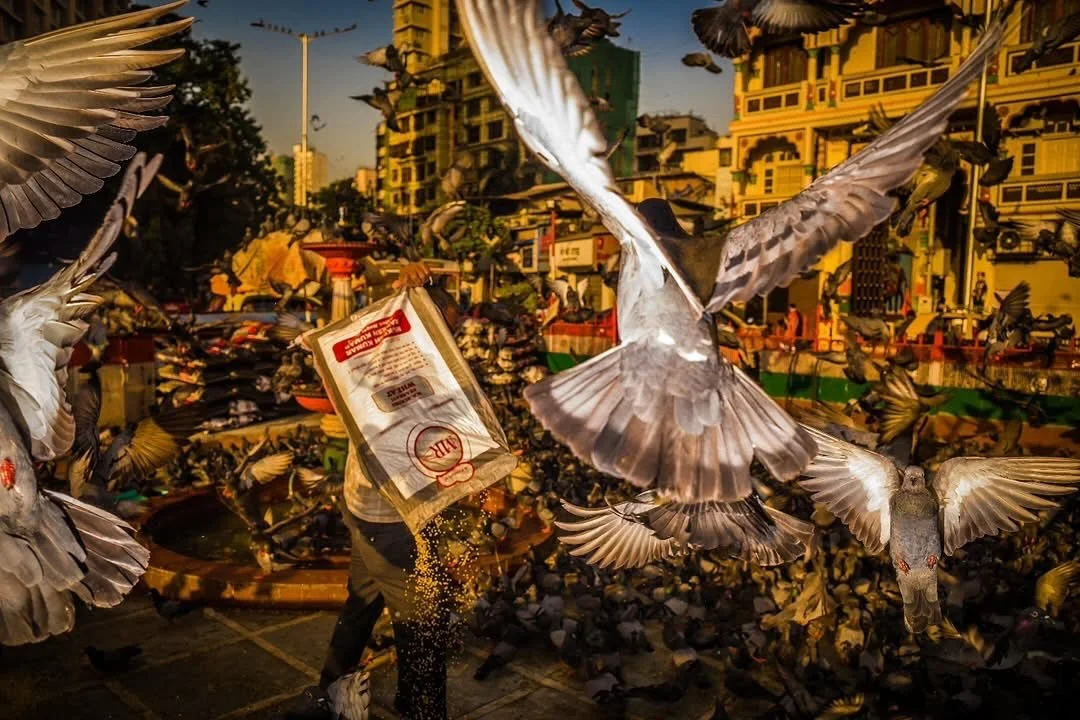
(c) Mark Zilberman
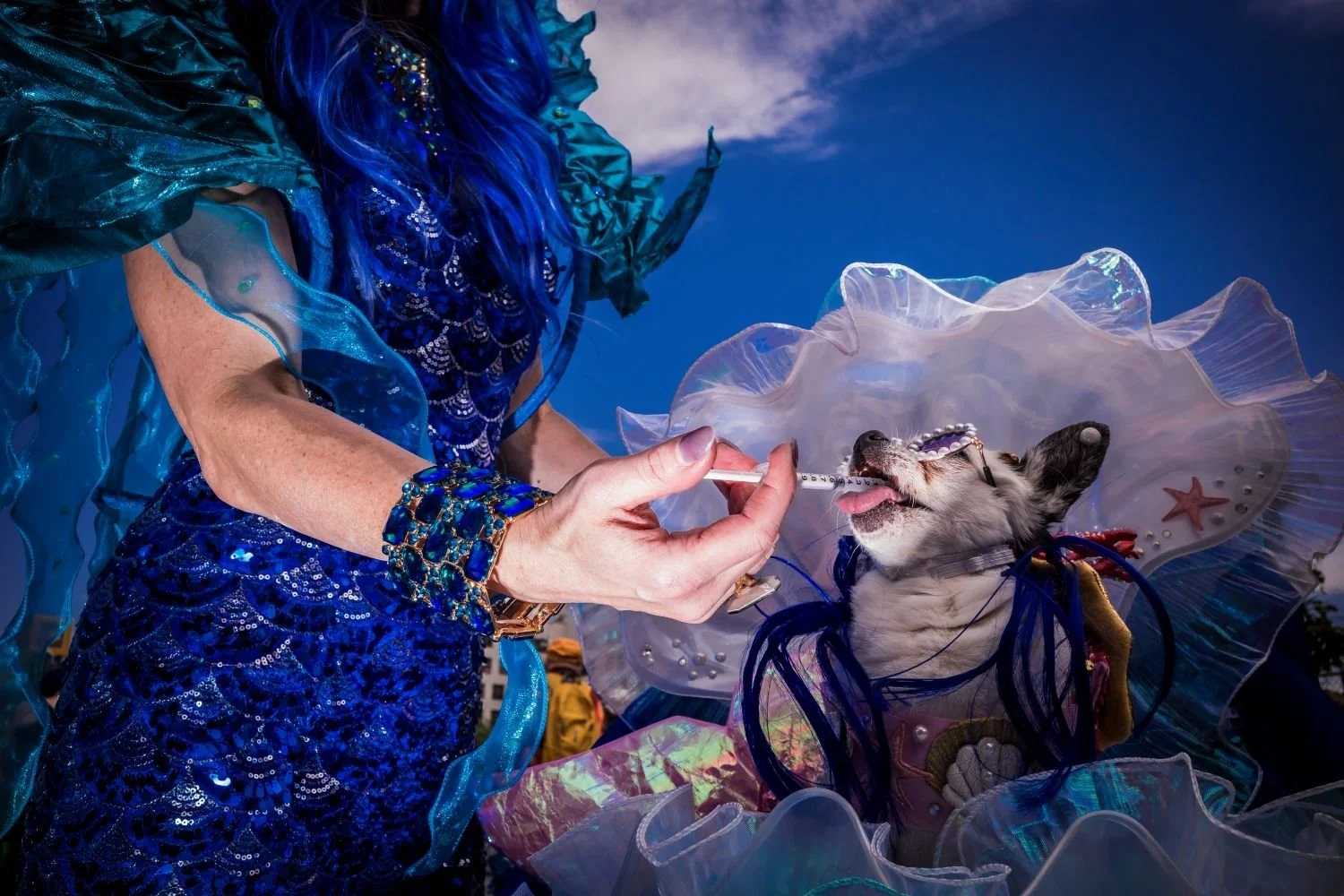
(c) Mark Zilberman
We would love to know more about you! Who you are and where you're from? When did you start street photography?
My name is Mark Zilberman and I am from North Bergen New Jersey. Just across the Hudson from Manhattan. I started doing street photography sometime in the last 10 years.
What inspired you to become a street photographer?
I’ve done photography since I was five years old. In my first career, I spent 10 years doing photography professionally as a freelance New York City. After those 10 years I stopped doing photography altogether. Honestly, I was fed up and it was like a bad divorce. Basically, I didn’t touch a camera for 20 years. So, photography has book ended my life. What inspired me to do street photography was a review, sometime in the past 10 years, of my portfolio and favorite images from when I last did photography. My tastes had changed. Images that I liked the best were, as best I can say, like street and/or documentary. And I just found myself naturally gravitating towards un-posed candid images out in the real world. I began to see the work of other street photographers and felt really comfortable with it.
How would you describe your work in terms of style and/or approach?
My style at this point does employ a lot of flash. It is a look that I like and I think makes my pictures look much stronger than they would be without it. I am also fairly spontaneous and instinctual in my approach. I shoot for my gut. Basically, I follow the rule “Don’t aim. Throw.” My worst pictures are definitely ones that I spend too much time dwelling on a shot. However, of late I’m trying to incorporate more attention to composition and looking at the image and how it fills the frame. This is quite a challenge for me but I think it will improve my pictures overall. The trick is finding the balance.
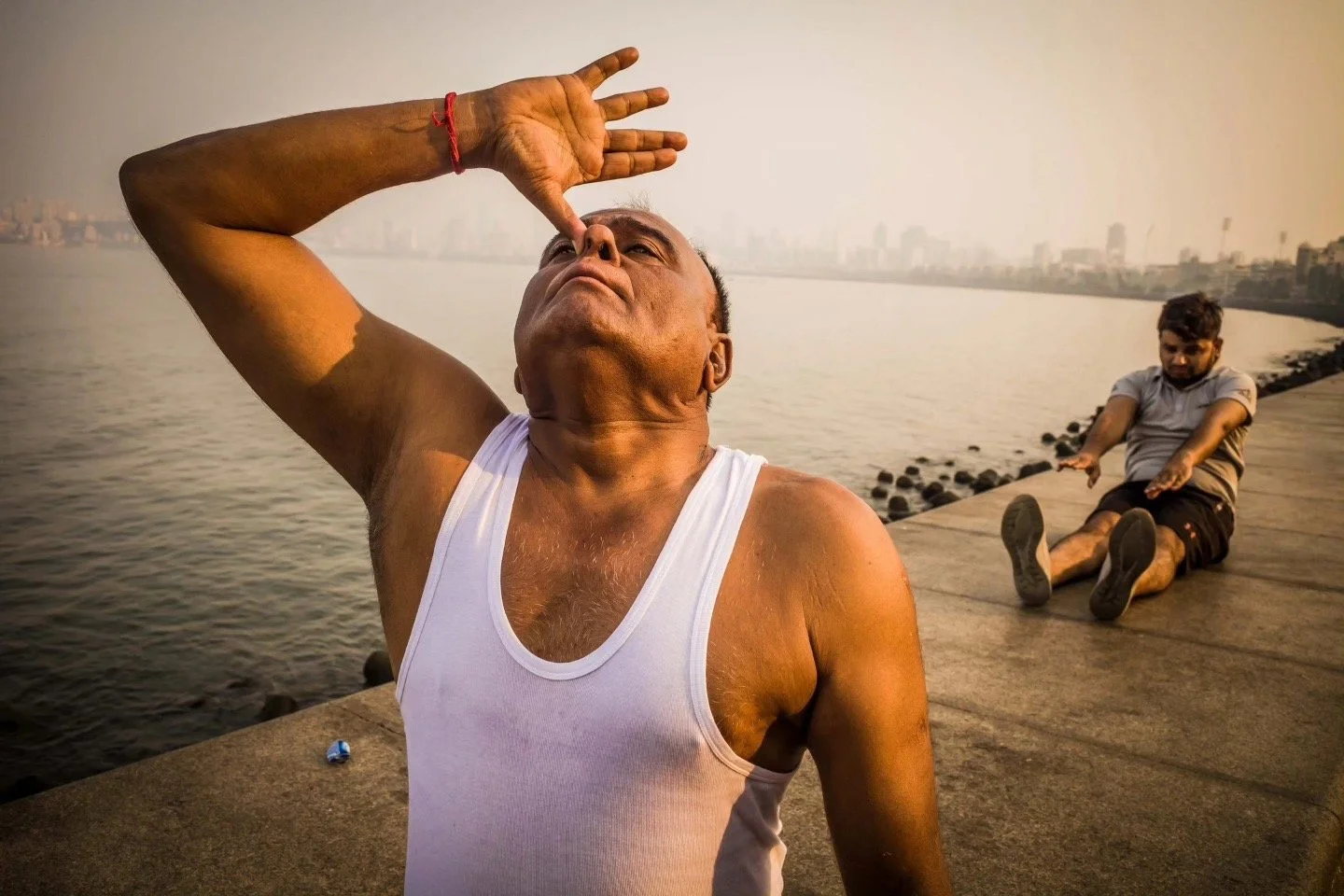
(c) Mark Zilberman
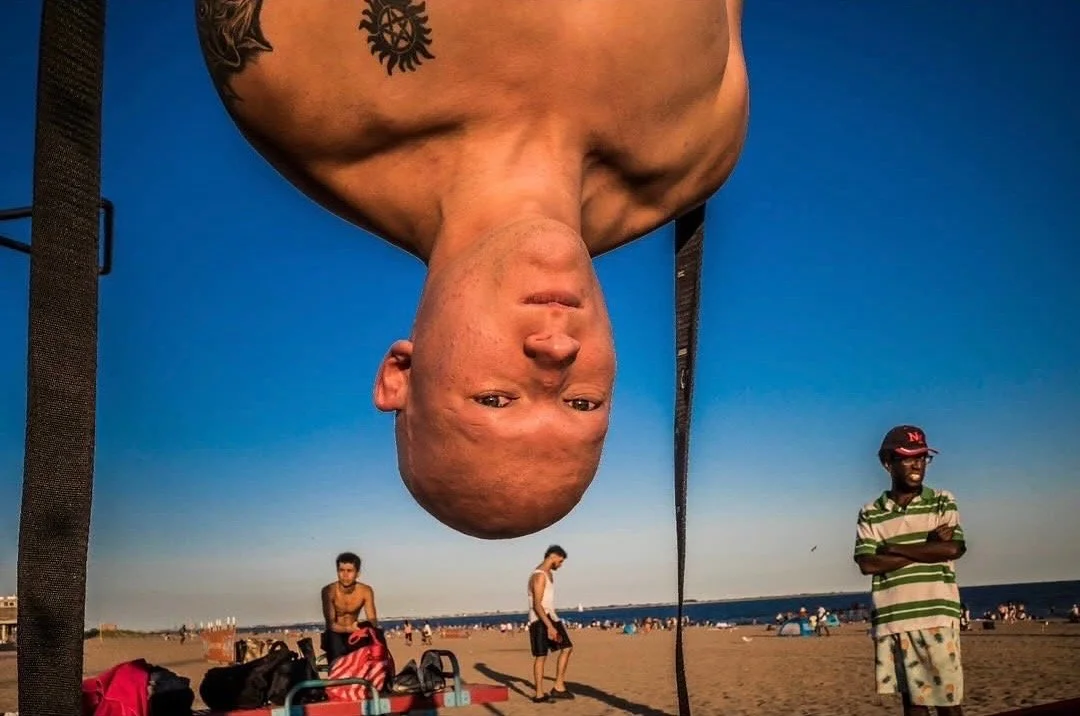
(c) Mark Zilberman
What is your photography routine like? Do you photograph every day?
I don’t photograph every day. I need to make a living as I work as a social worker in the community. Frankly even if that were not the case, I don’t think I would be photographing every day. That violates the advice that you should always carry a camera with you. But when I’ve done that, I find I never use the camera because I’m usually in the process of getting from one place to another. Street photography is an intentional act for me and so I go out with the camera where my time is dedicated to shooting. Moreover, when I have gone out every day shooting, as I have on extended workshops, frankly I get tired of it after about four days. I am impressed by Matt Stuart when says that for several years he photographed eight hours a day every single day. That’s just not me.
What camera or mobile device do you use for photography? Do you shoot digitally, on film, or a mix of both?
My primary camera is the Ricoh GR 3. It’s a great camera. It’s small. It has a leaf shutter which allows me to synchronize flash at any shutter speed. It’s become very natural for me to use. However, it has some significant drawbacks. First with the batteries, they do not last much at all. Most cameras you can get by with one or two batteries the entire day. However, I carry a dozen batteries in a pouch with me when I go shooting. This is a well-known fault of the camera. It’s likely due to the manufacturers need and desire to keep it small. Another drawback is that the camera overheats constantly. And when it does it shuts off. So, I carry two. When one heats up shuts down, I grab the other one. Another thing I’d like to see on the camera (but I can’t call it a drawback), would be if the screen would tilt. It would be very nice if I could just be looking down at the camera to frame and shoot, rather than hold it at arm’s length in front of me. It’s difficult to see the viewfinder and it is ridiculously conspicuous.
My other camera is the Olympus OM-1. This is a Micro 4/3 camera. It is an amazing camera with an incredible amount of features. I don’t think I’ve met anybody else using it on the street and it’s not particularly designed for that. It’s very much liked by wildlife photographers because it is much smaller than other mirrorless DSLR’s. One of the other drawbacks of the Ricoh that I didn’t mention is that it is really miserable at focusing In low light. Whereas the Olympus is extremely sharp and fast. Plus, I have a number of 1.2 lenses that allow for shooting under very low light with reasonable shutter speeds. It’s actually possible to shoot with the Olympus OM-1 handheld for one second or more. I don’t how they do it.
What challenges do you face when photographing on the street?
The greatest challenge to shooting on the street is the response by members of the public. There’s just a lot more anger out there and this has been corroborated by numerous other street photographers. If I’m shooting in New York City, inevitably people come up and say at least once a day “why did you take my picture?” Or “I didn’t give you permission to take my picture.”, etc. This is why I generally confine my street shooting to public events. These could be parades, festivals, demonstrations, protests, etc. Additionally, I have a press pas from the City of New York. So, this helps also in my opinion. The problems with shooting street here has also made it such that I’m have come to really enjoy shooting in some other countries. I’ve taken some fantastic trips in India and Southeast Asia, where taking a picture of some stranger on the street is just a nonissue. It’s almost as if I’m invisible. The worst thing that happens is that somebody will come over to me and want to do a selfie with me. It’s as if I landed on another planet.
Do you ever wonder what happens to the people in your photos?
Come to think of it, not really.
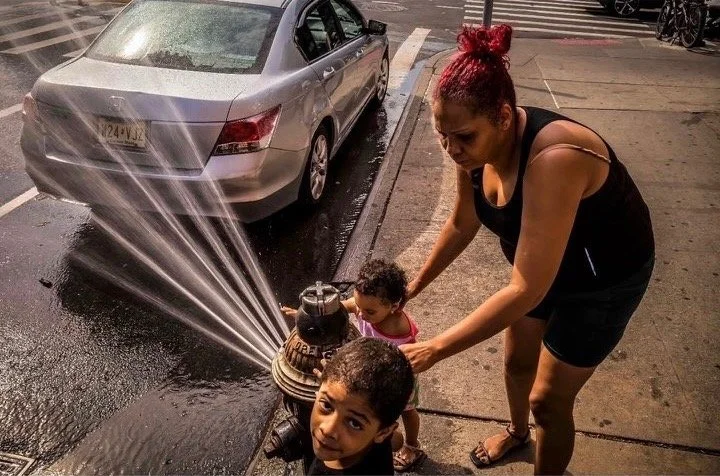
(c) Mark Zilberman
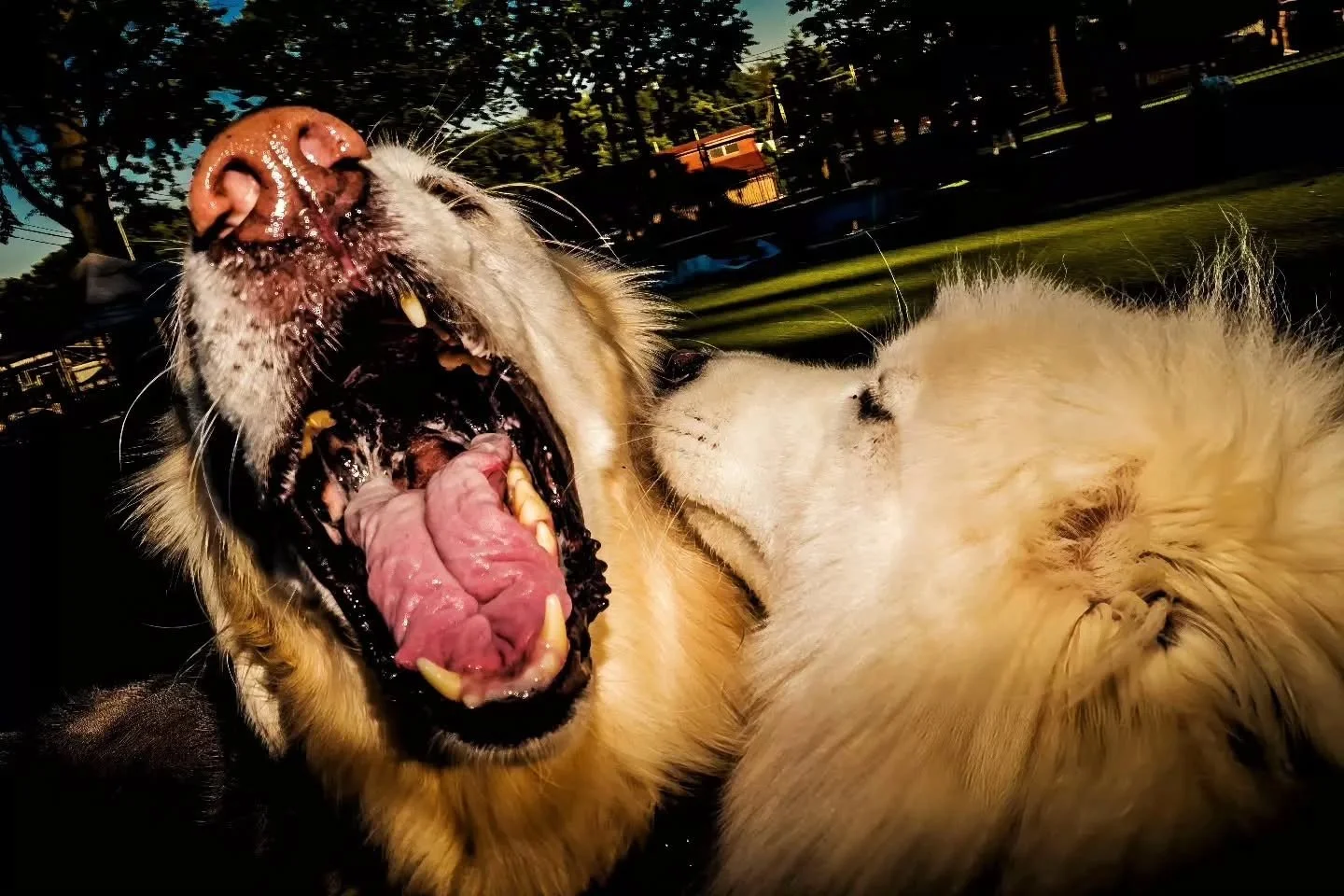
(c) Mark Zilberman
In your opinion, what is the biggest misconception people have about street photography?
Frankly I don’t know. Maybe it’s the belief by people that we need their permission to take the pictures on the street. Or that the whole endeavor is illegal. Of course, the United States is probably unique that you don’t need to get permission to take pictures people on the street. Which is why it’s highly recommended that if you go to other countries, you check out with the local law in regard to this. But I haven’t had any trouble really in other countries in that regard. Except one time in Brussels when a woman followed me for about 2 miles insisting, I delete a picture. It occurred to me at some point in that walk that this woman might just follow me onto my plane so I relented and deleted picture.
What are your favourite elements to capture in a street photograph? (light, colour, composition, human interaction, etc.)
I think for me “content is King”. I need to feel something right away with the picture. Got to be some emotion. It could be humor, sadness, something surprising, poignancy, etc. It’s just not enough for me to look at a picture that is well composed, with no overlapping elements, correctly exposed, etc. Conversely, an image that has strong human content but fails to follow the rules of composition and lighting and exposure can still be great to me. And most of the time even if this image were better crafted it wouldn’t improve much for me. Jay Maisel (a legend that so many young street photographers I meet have never heard of) has a phrase that I think sums it up and it’s also the title of one of his books. “Light Color and Gesture”. And with me gesture is the most important.
What is your take on social media influence on street photography?
I think social media has been fantastic for street photography. I was in photography at a time when there was no social media, no Internet and no computers. It’s amazing that photography got seen it all. It came down to printed publications. Getting an exhibit in a gallery. But now I can just upload my image and it gets before potentially millions of people. I really love Instagram. I know it’s deviated from its original mission. There is an incessant amount of advertising. It has quite a lot of videos. But putting those things aside it’s been great for me to get my work out there and it is a constant source of inspiration looking at colleagues work from all over the world. Not to mention communicating and connecting with them as well. Instagram IS getting a bit tedious. And I fear if it gets too far along the way of just being a vehicle for advertising and videos, photography and photographers will abandon it. I know that Instagram’s mission is not to support the growth of the medium. Their mission is to make money for their company and their stockholders. But we know the owners are pretty comfortable and I’d like to see them make a sacrifice in the name of still photography.
Are your prints available for purchase? If so, where can art buyers and collectors contact you to purchase them?
Yes, they are. They can contact me at my email address which is mark@markzilbermanphotography.com
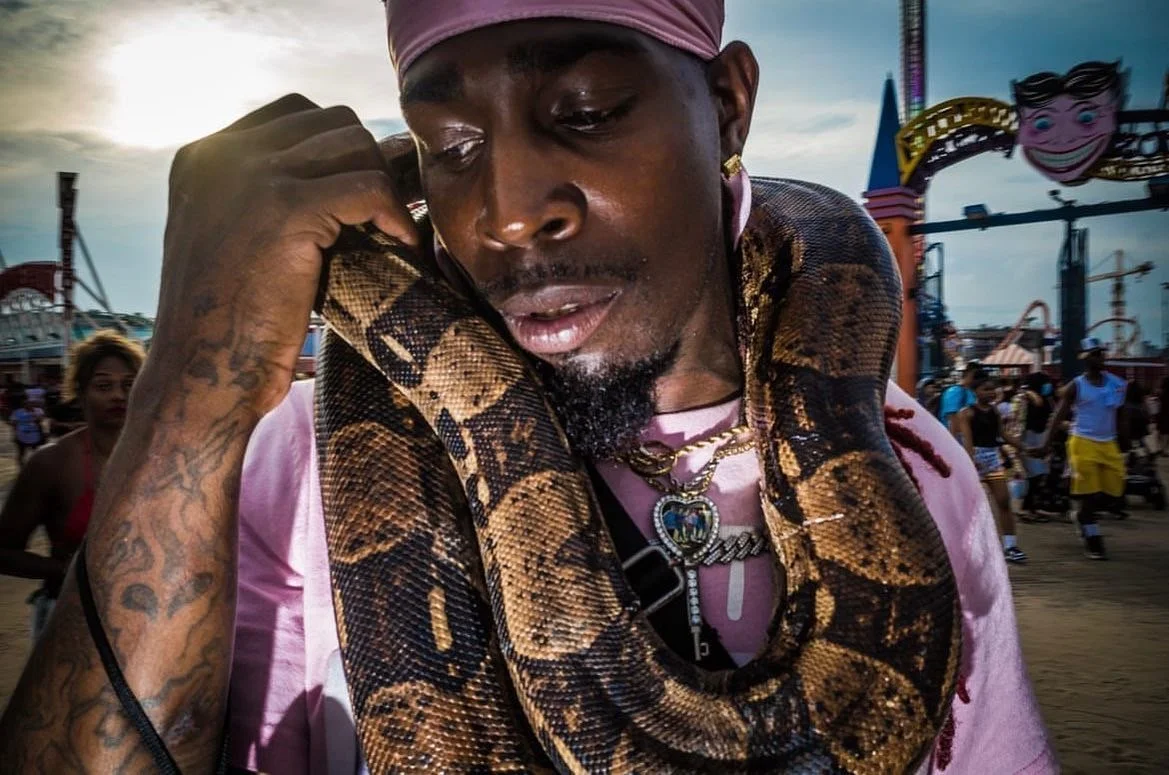
(c) Mark Zilberman
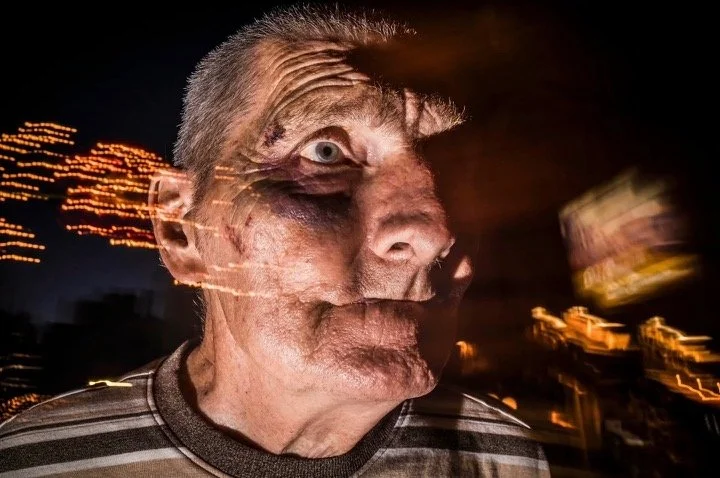
(c) Mark Zilberman
What advice would you give to aspiring photographers?
The usual. Shoot a lot. Look at others work. Particularly the masters. Don’t pay attention to the rules (i.e. only use a 35mm lens, shoot black and white only, don’t have anybody look directly in the lens, only shoot horizontally, only shoot film, etc.). Consider going to workshops. I’ve done quite a few and will continue to do that. They’re very enjoyable. I always tend to learn something if not a lot of things. Get to go places that I probably wouldn’t go if not for the workshop.
Probably the most important thing is that you should have fun. You should enjoy this. You’re not going to get rich at this. I think the number of people in the world who can make a living at street photography probably can be counted on one hand. Not to mention that if you do to make a lot of money at it you’re probably going to get locked into one style that is what your public is asking for. And I don’t think that’s fun. I suppose the way around that is to, if you’re so fortunate as to make some real money with one particular style, show only that style to the public. But continue to grow doing whatever it is that you want to do with photography. That could be street. That could be wildlife, landscapes, sports, etc. Photography is such a vast opportunity for growth and learning as a craft as well as an individual. Don’t miss it because of money. There are many ways to make money.
A huge thank you to Mark Zilberman for sharing his incredible journey.
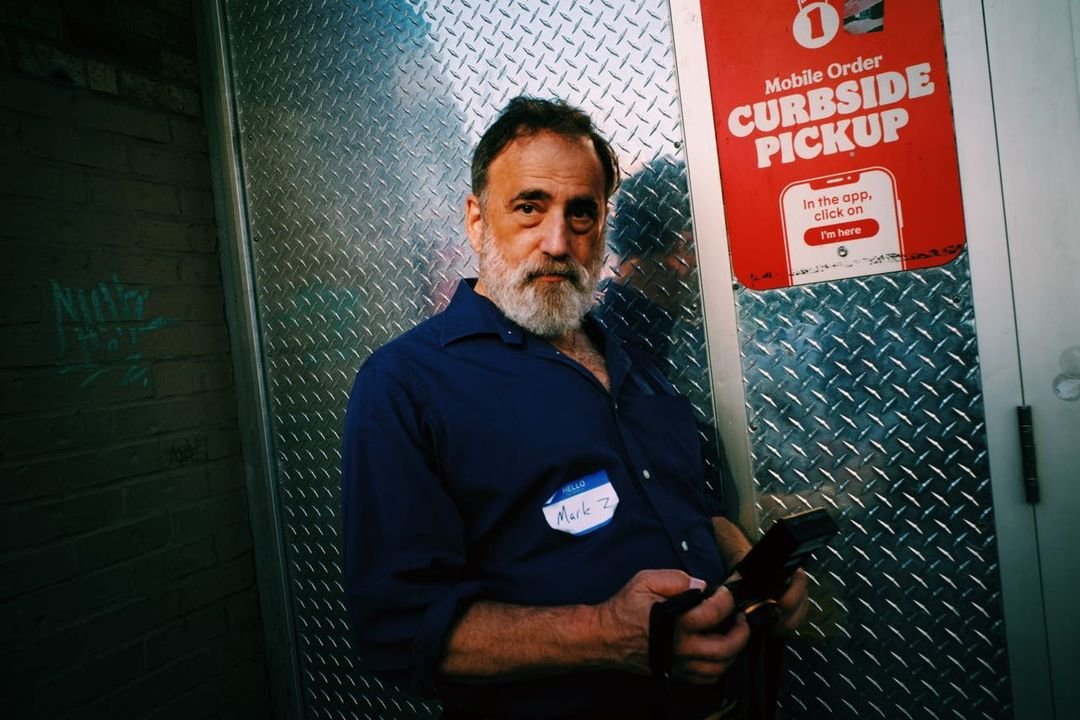
In Frame : Mark Zilberman