
Nicola Balestrazzi, A Humanistic and Emotionally Observant Street Photographer Celebrated for His Intimate Portrayals of Humanity, Culture and Everyday Life
An Exclusive Interview with Pure Street Photography
Discover how Nicola photographs the streets through instinct, patience and immersion, capturing festivals, daily rituals and spontaneous human moments across different cultures and communities.
Interview by Dimpy Bhalotia and Kamal Kumaar Rao
23/05/2026
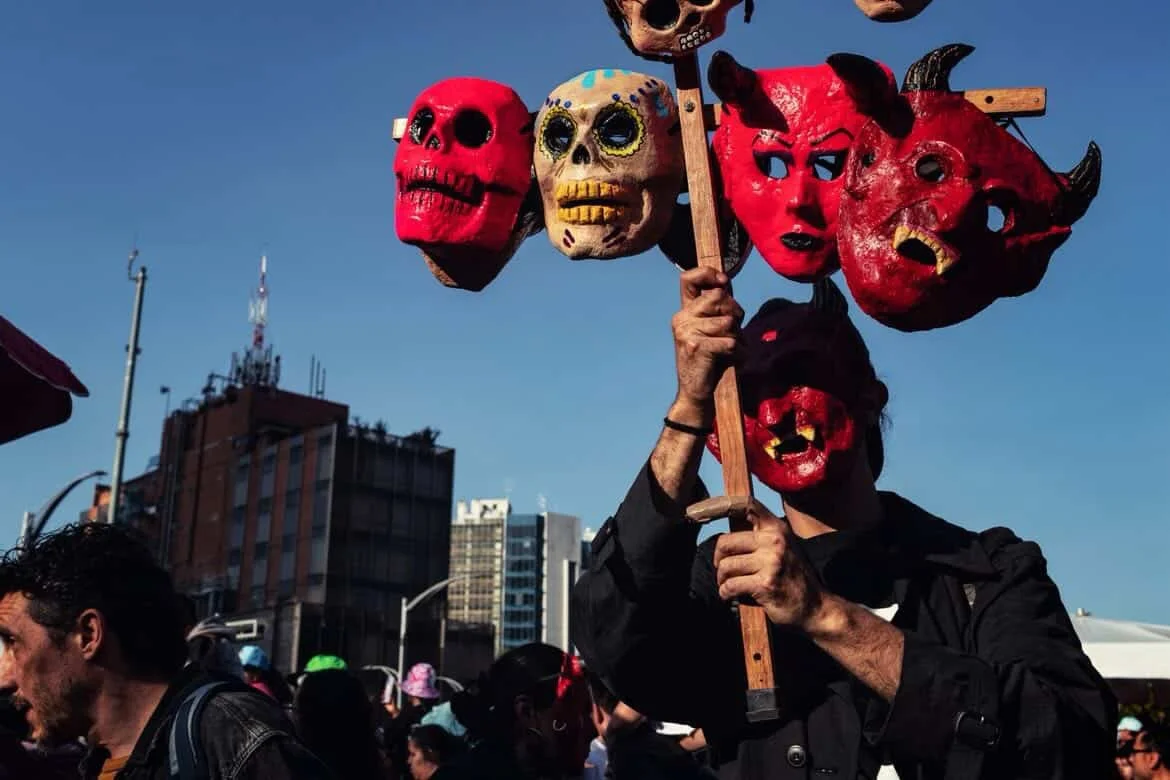
(c) Nicola Balestrazzi
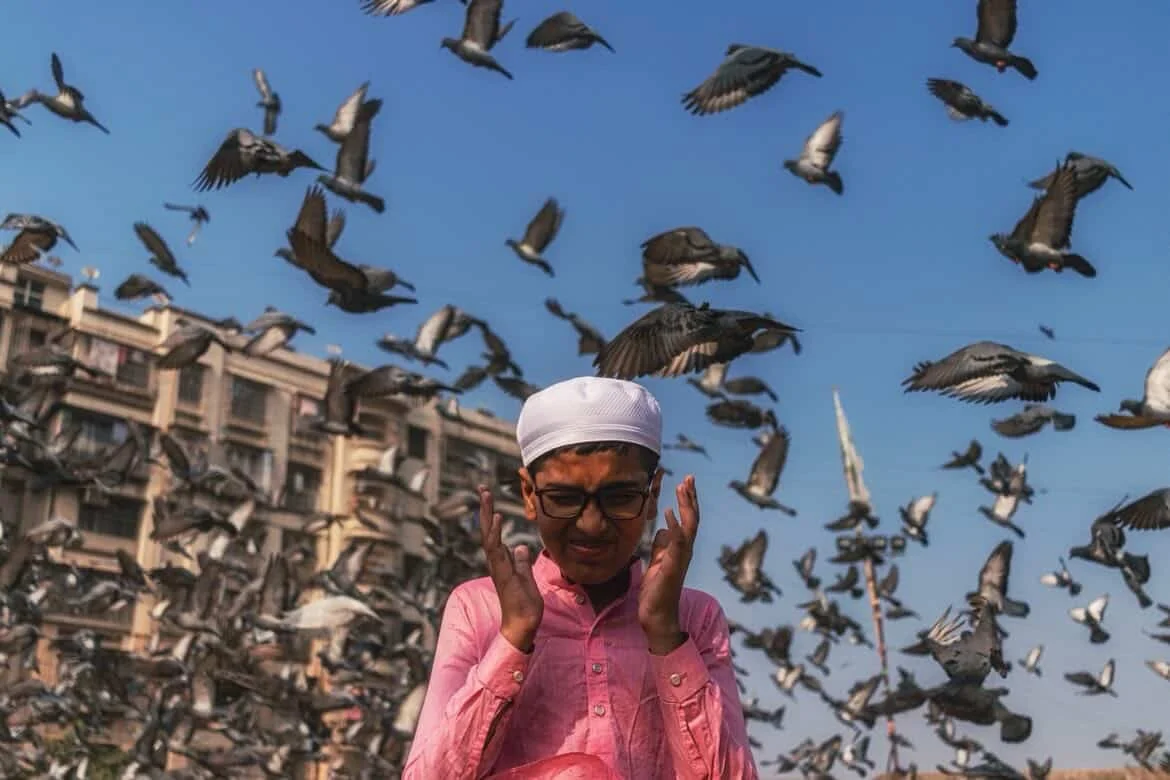
(c) Nicola Balestrazzi
We would love to know more about you! Who you are and where you're from? When did you start street photography?
Hello everyone! I’m Nicola Balestrazzi and I’m from Bari, Italy. I used to work in London in the financial sector. Roughly twelve years ago, I chose to become self-employed in order to have more time for myself to travel and do photography. Since then, I started doing street and travel photography. Nonetheless, I’ve been using cameras since I was a kid, starting with a compact analog Fujifilm to then switch to the first compact digital ones in the beginning of the 2000s, that I used mainly during my holidays and travels.
What inspired you to become a street photographer?
My curiosity to wonder around, especially in new and very different places then those of my upbringing, definitely played a big role. What is more, I have always been fascinated by human beings and I always loved to observe how they behave, interact, and move around their life. Another important source of inspiration has been admiring and looking at the work of many great photographers such as Cartier Bresson, Sebastiao Salgado, Mario Giacomelli, and many others. Looking for the “decisive moment”, whatever interpretation we give to that quote, and trying to create beauty and something of interest has always been the creative part of me that I try to express, and that I find very rewarding.
How would you describe your work in terms of style and/or approach?
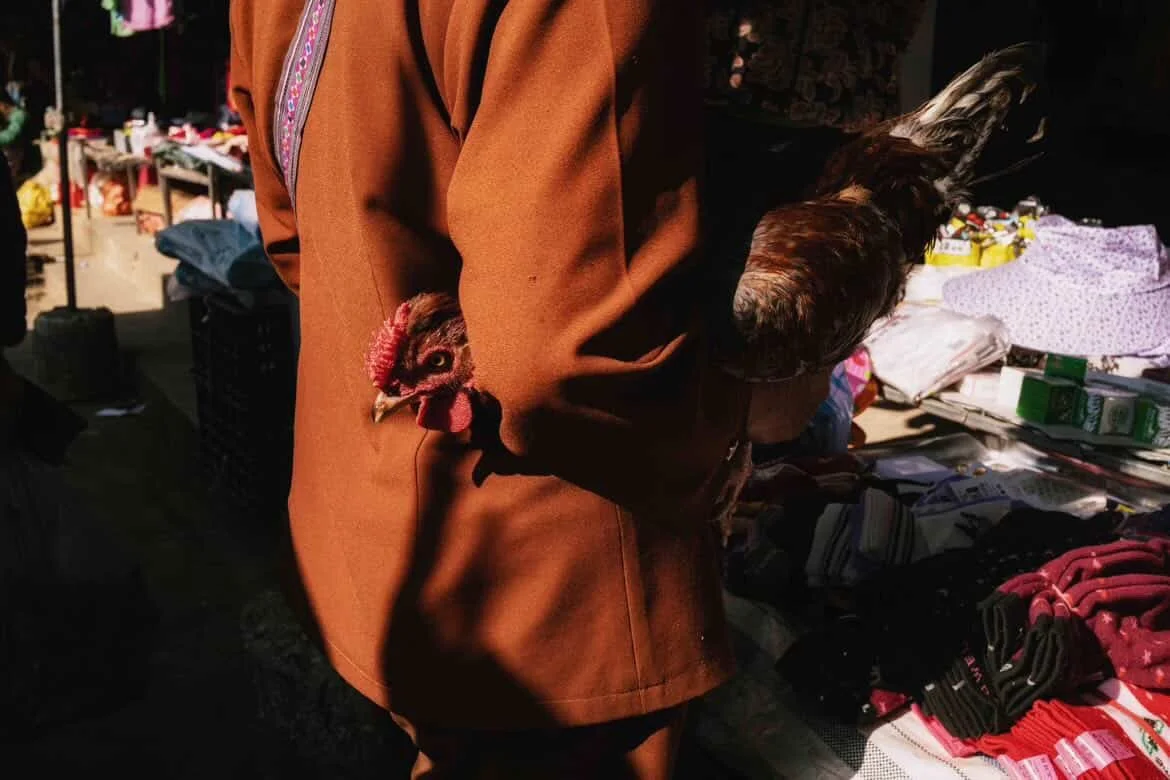
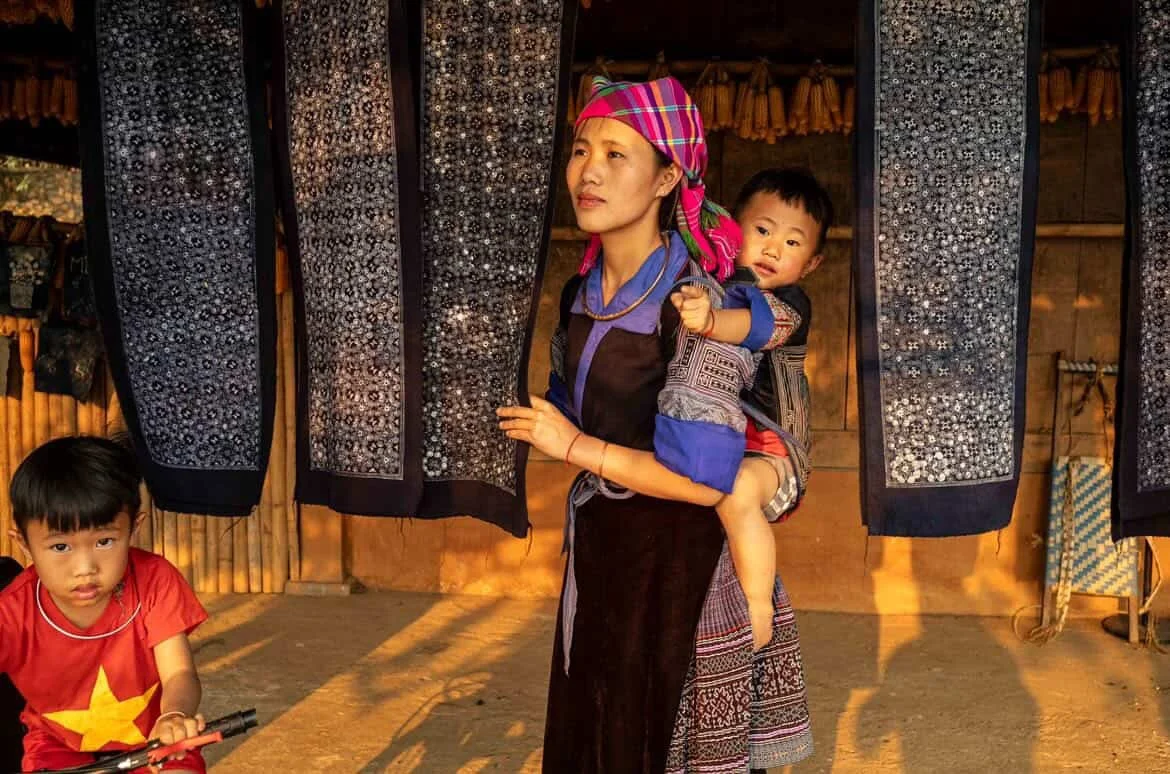
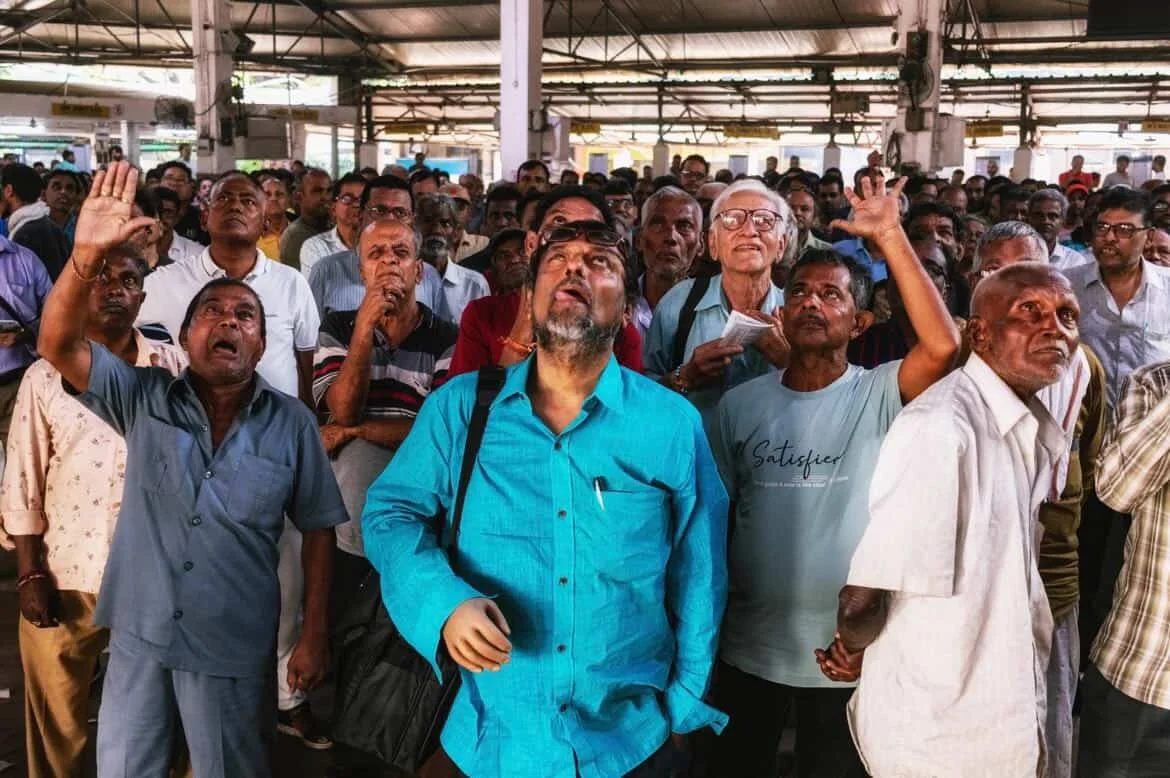
My shooting style is mainly instinctive. I’m very much interested in people. People have to be always present in my pictures. It’s based mainly on observing interactions, expressions and emotions in people. Little gestures, details, but also hectic moments during festivals, pilgrimages, and whatever manages to show humanity and the fact that we have way more things in common in the overall human landscape then we think. I tend to get very close to people and, or the scene I immerse myself in. In the last few years, I also started to come over my fears of asking people I meet on the street to take a picture, or to interact with them, and I found that very enjoyable. I don’t always do that because I also want to be unnoticed, and in some countries that’s not so easy, anyway. I also like to play with light and shadows. I particularly enjoy early morning and late afternoon light, and lately I’ve been trying to shoot more consciously with that light, identifying an interesting spot and being patient waiting for the right scene to compose, rather than chasing things happening around me while walking incessantly.
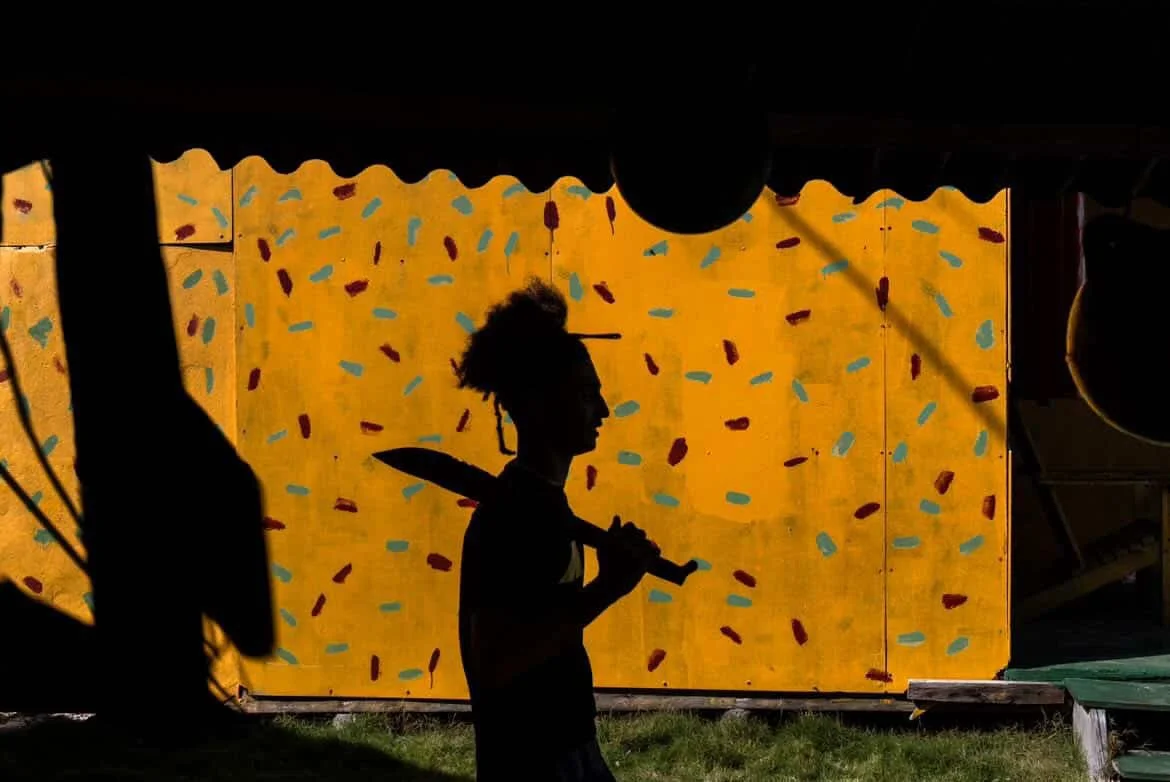
(c) Nicola Balestrazzi
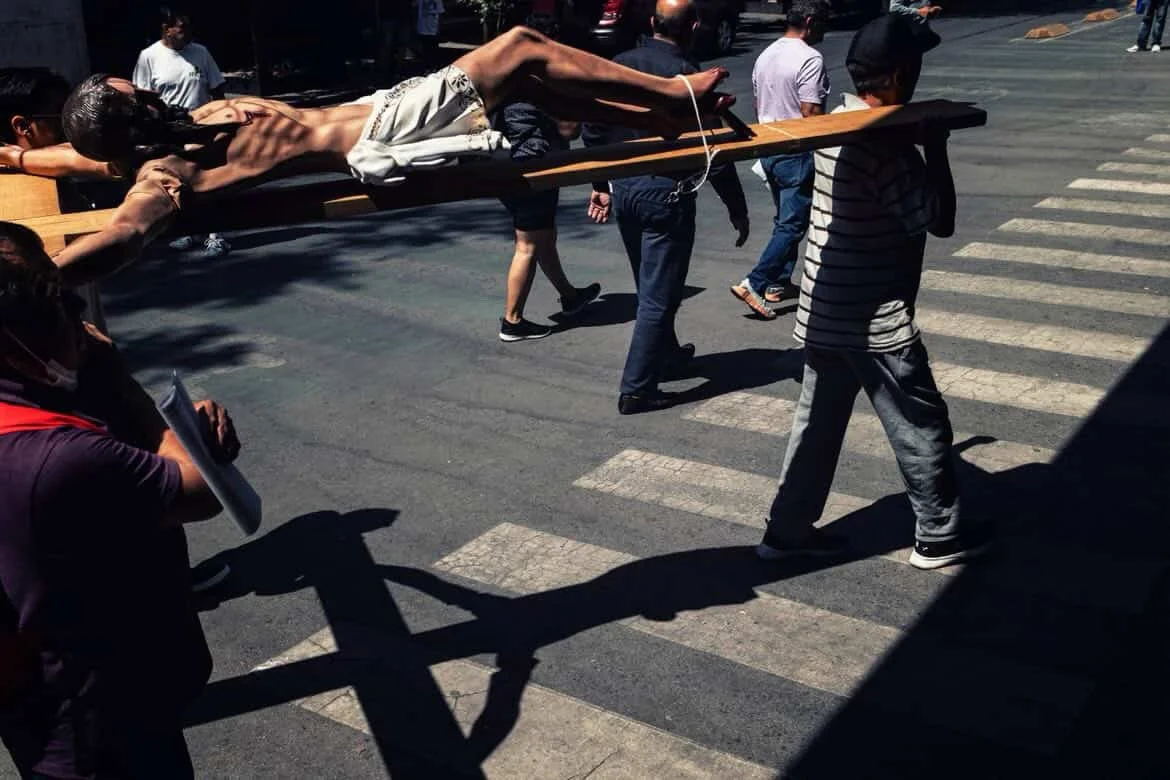
(c) Nicola Balestrazzi
What is your photography routine like? Do you photograph every day?
When I travel abroad, usually for five or six months, I shoot daily most of the time. Before my trip starts, I research what might interests me and which places I want to visit in the countries I chose to go to. Once there, I extend my research and also ask local people for more tips. Sometimes, I also go without a plan, just exploring and looking for interesting places, be it villages, nature, off-the-beaten paths so to speak. Whenever I can, I rent a motorbike and travel around, but I also love to travel by train like when I go to India. Once I’m back to Italy, I rarely shoot since I’m busy reviewing and editing all the pictures I’ve taken, and I also have to work. Nonetheless, I’m going to change that and start to shoot more around the places I live.
What camera or mobile device do you use for photography? Do you shoot digitally, on film, or a mix of both?
For the last twelve years I used a Canon system, owning during the last 8 years, an Eos 80d with many different lenses, prime and zoom. Last summer I bought a Leica M 10-R with a 35 mm and a 75 mm lenses, which I used for the first time on my last trip in the Philippines and Vietnam. All my gear is digital.
What challenges do you face when photographing on the street?
The main challenge I face is usually the fact that I would love to be literally a fly on the wall if I could, or completely invisible. Jokes aside, sometimes the problem is that in some countries or in some communities, people are not used to be taken a picture, especially from very close. But actually, that has pushed me to break the fear wall of approaching people and ask them, or interact with them, and a with a bit of luck I might manage to take something interesting. Sometimes, it’s very difficult nonetheless, and I’m still working on that. At times, it depends a lot on which mood I’m starting the day, or the feeling, the vibe the person or the scene is giving you. Conversely, at times it depends on the people’s mood. In any case, by interacting with or asking them, I’m interfering in the scene and, at times, that’s OK and at other times, the scene I wanted to shoot in the first place is completely changed and the shot I pre-visualized is gone.
Do you ever wonder what happens to the people in your photos?
Sure, sometimes I do, especially when I had an interaction with them. I remember once, in Pushkar, India, at the camel fair, I met Sabi and his relatives who came from Jaisalmer with their camels. I took a few portraits and pictures of them in the following days, talking to them about their lives. Before they left to go back to Jaisalmer, I went to a print shop in Pushkar, and printed some of those pictures and gave them to them. They were really happy, as I think they didn’t have many physical pictures of them back in their houses. It made me also very happy.
(c) Nicola Balestrazzi
(c) Nicola Balestrazzi
In your opinion, what is the biggest misconception people have about street photography?
Some people, unfortunately, are not aware of the motivation why you’re taking of picture of them, so close, or of the scene they find themselves in. They might think it is for voyeuristic reasons, and of course it’s not. But it’s not their fault; it’s understandable. Another misconception around street photography, is that it is very easy to take pictures in the street. Probably, because everyone has a mobile phone with excellent camera quality nowadays and takes gazillions pictures every day. Far from that, we all know that it takes a lot of skills, like patience for example, or the ability to react very quickly when you see or pre-visualize something that might be interesting.
What are your favourite elements to capture in a street photograph? (light, colour, composition, human interaction, etc.)
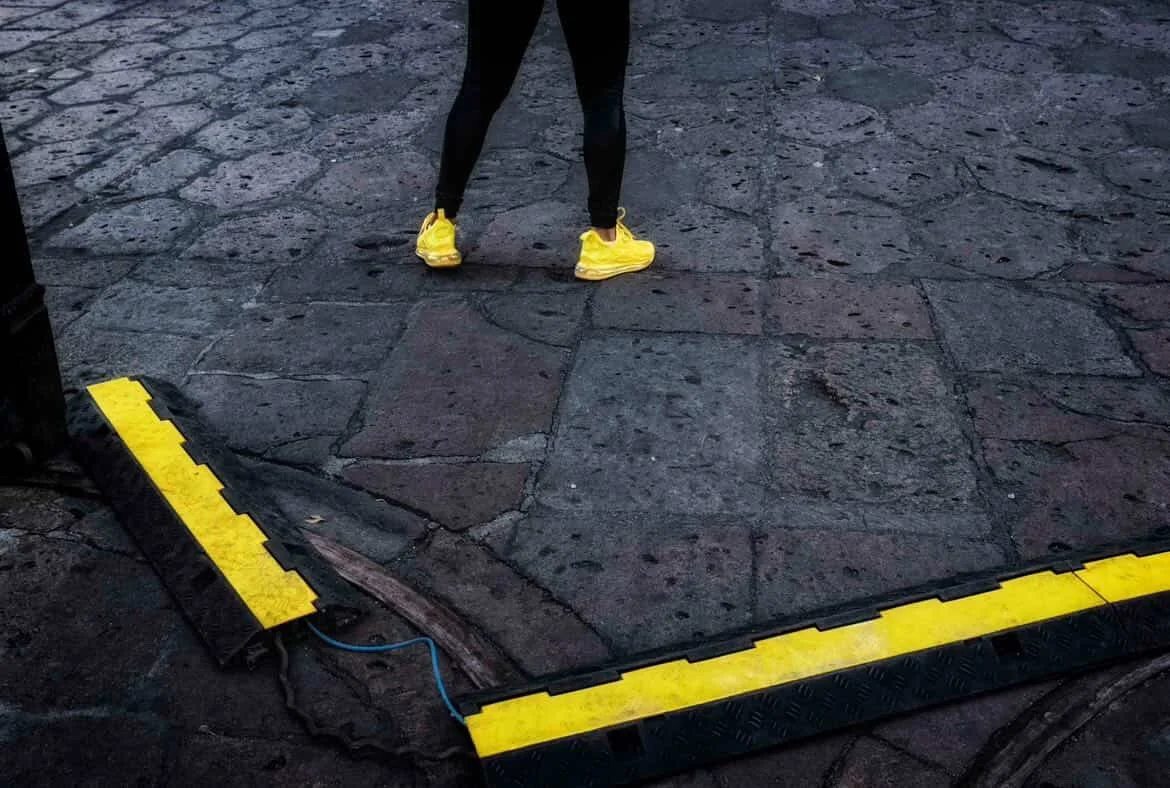
It depends whether I’m shooting a casual street photograph or an event like a local festival, for example. During an event, I focus more on composition, details and perspectives. For a stand-alone street photograph, I’m looking for light, colors, and layers. Having said that, I don’t quite like aestheticism per se in a photograph, so I try always to shoot something that capture my attention and my curiosity.
What is your take on social media influence on street photography?
I think it’s a mixed bag. On one hand, it is great for connecting with like-minded photographers, sharing content and get inspired by. On the other, I feel it is too much skewed toward the “likes and followers” obsession. I don’t use it much, usually, if not only when I post my work. Then, I have a look around on what the photographers I follow, have been posting.
Are your prints available for purchase? If so, where can art buyers and collectors contact you to purchase them?
No, my prints are not available for purchase at the moment. I’m working on my website and I hope to get it out in the public sphere by the summer. I will then evaluate if selling some of my pictures through my website. The best way to contact me is through my Instagram account @nicolabalestrazzi with a DM.
(c) Nicola Balestrazzi
(c) Nicola Balestrazzi
What advice would you give to aspiring photographers?
First of all, to study photography by studying the work of the Masters of photography, either by looking at books, or documentaries. Then, to go out and shoot, shoot, and shoot. Build your patience, walk slowly, refine your composition and the way you look at things, and get close to your subjects. Interact with people at times, if you can. The pay-off sometimes is huge.
A huge thank you to Nicola Balestrazzi for sharing his incredible journey.
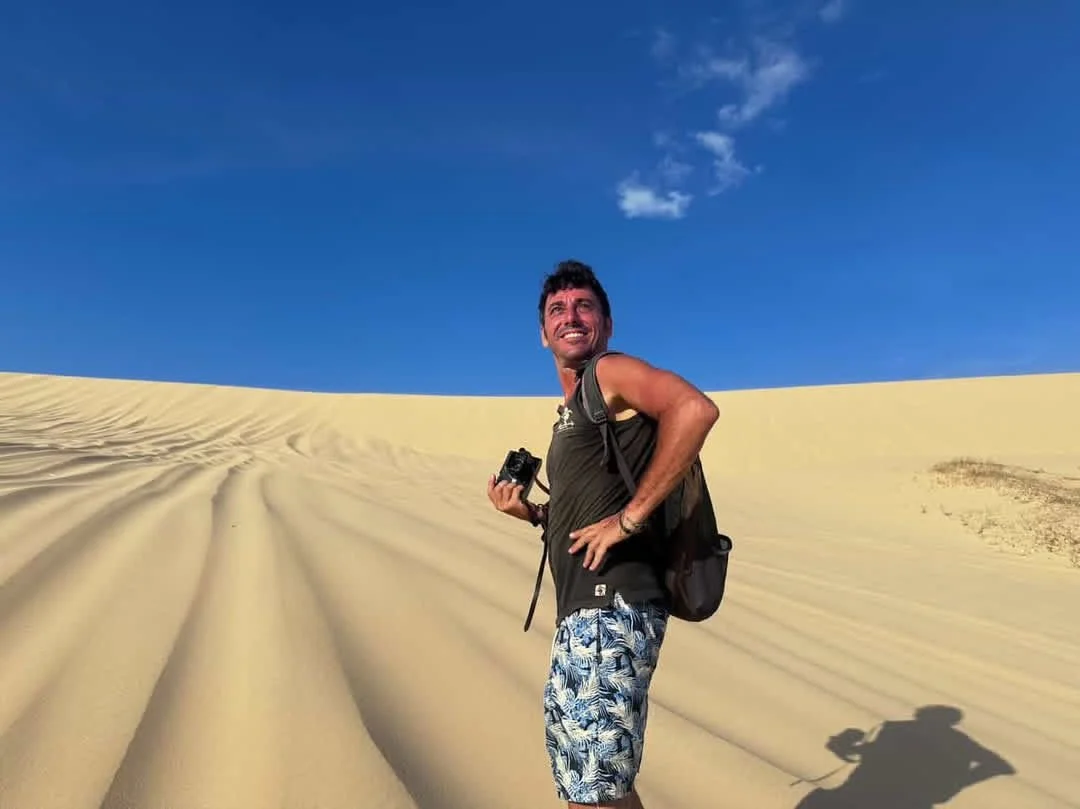
In Frame : Nicola Balestrazzi