
A Visionary Polymath’s Perspective From Boundless Curiosity to Evolving Mastery, Promila Bahri’s Enigmatic Street Photography Journey
An Exclusive Interview with Pure Street Photography
Discover what shapes Promila’s creative vision and why "Riyaz (practice) and Therav (patience)" remain central to her photographic approach.
Interview by Dimpy Bhalotia and Kamal Kumaar Rao
Last Updated 7/4/2026 • 14/02/2025
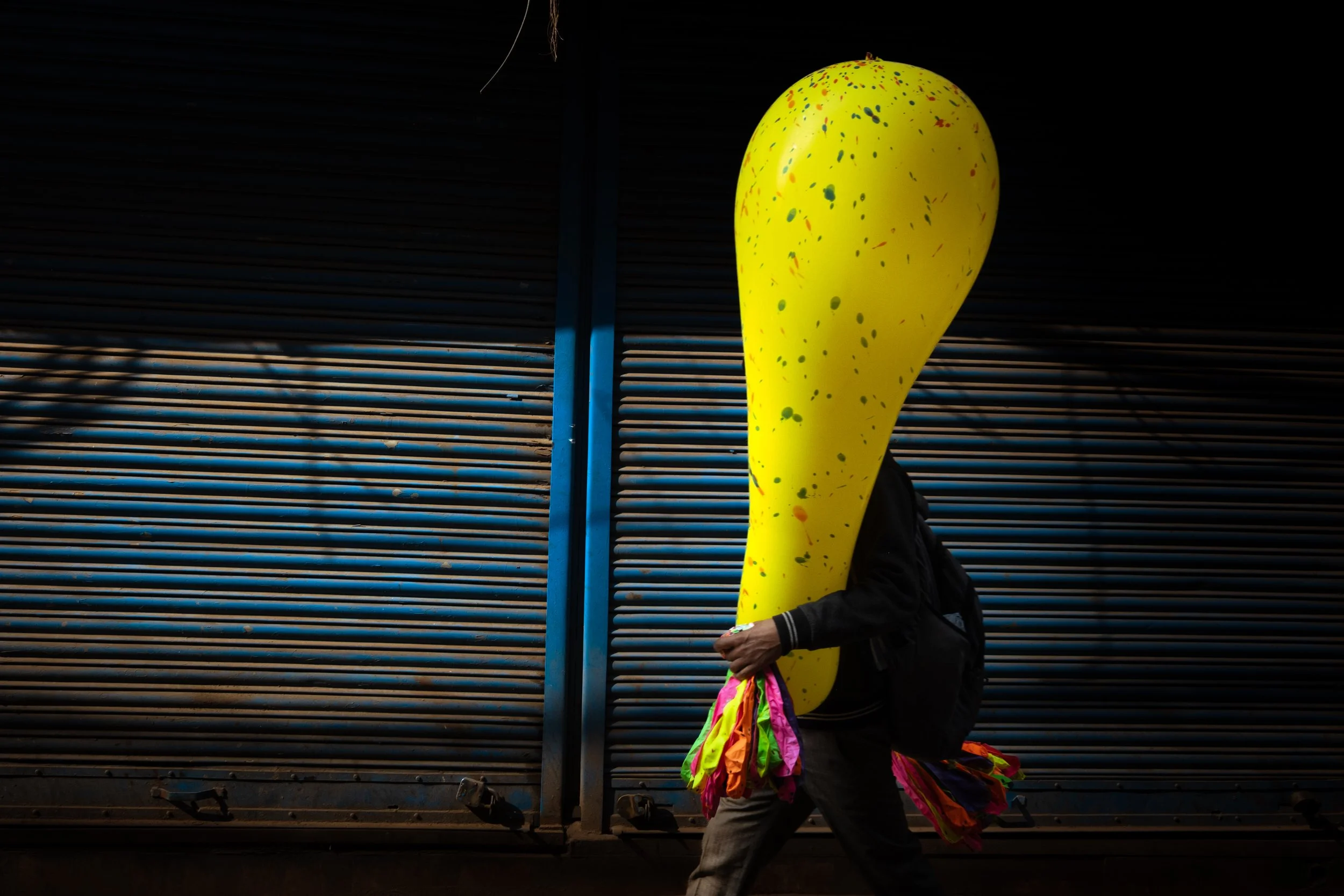
(c) Joanna Madloch
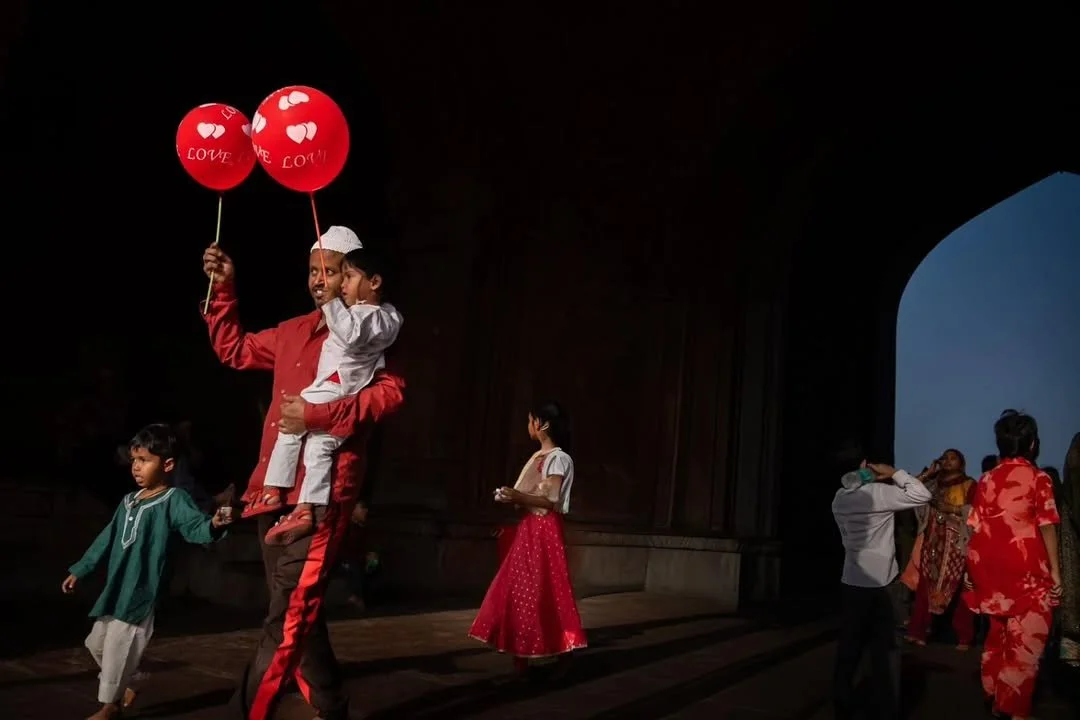
(c) Joanna Madloch
We would love to know more about you! Who you are and where you're from? When did you start street photography?
I am a writer, photographer, and educator based in Montclair, New Jersey, just outside New York City. I was born and raised in Poland, where I earned a PhD in the Humanities from the University of Silesia before moving to the United States in my thirties. I have spent most of my life teaching literature, and at some point I became fascinated by the figure of the photographer as it appears in fiction. To understand that character more fully, I picked up a camera myself — and got hooked. While teaching at Montclair State University, I went on to study photography at the International Center of Photography and the Penumbra Foundation in New York. I have been photographing for the last ten years.
What inspired you to become a street photographer?
In my research I read the photographer as a version of the mythological Trickster, and street photography is where that aspect comes through most vividly. Unpredictability, the crossing of boundaries, the role of luck — it is all there. I photograph mostly in Manhattan, walking a lot, usually without a set plan, simply observing the life of the streets.
How would you describe your work in terms of style and/or approach?
I photograph mostly in Manhattan, walking a great deal, usually without a set plan, simply observing the life of the streets. I never ask permission before photographing someone, but I do not hide either. I usually acknowledge the encounter with a smile and a nod. I work with a wide lens, which means I get quite close to my subjects.
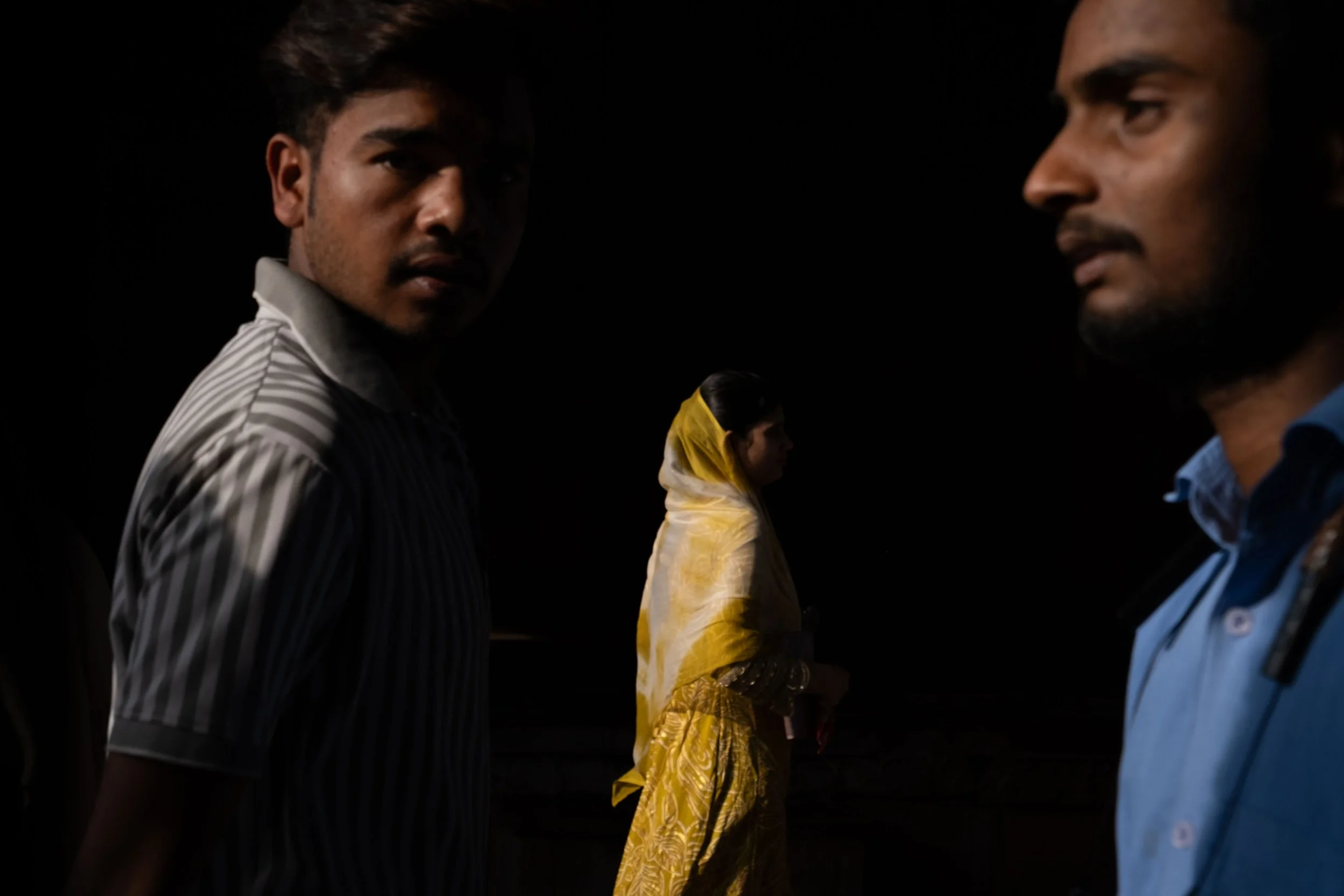
(c) Joanna Madloch
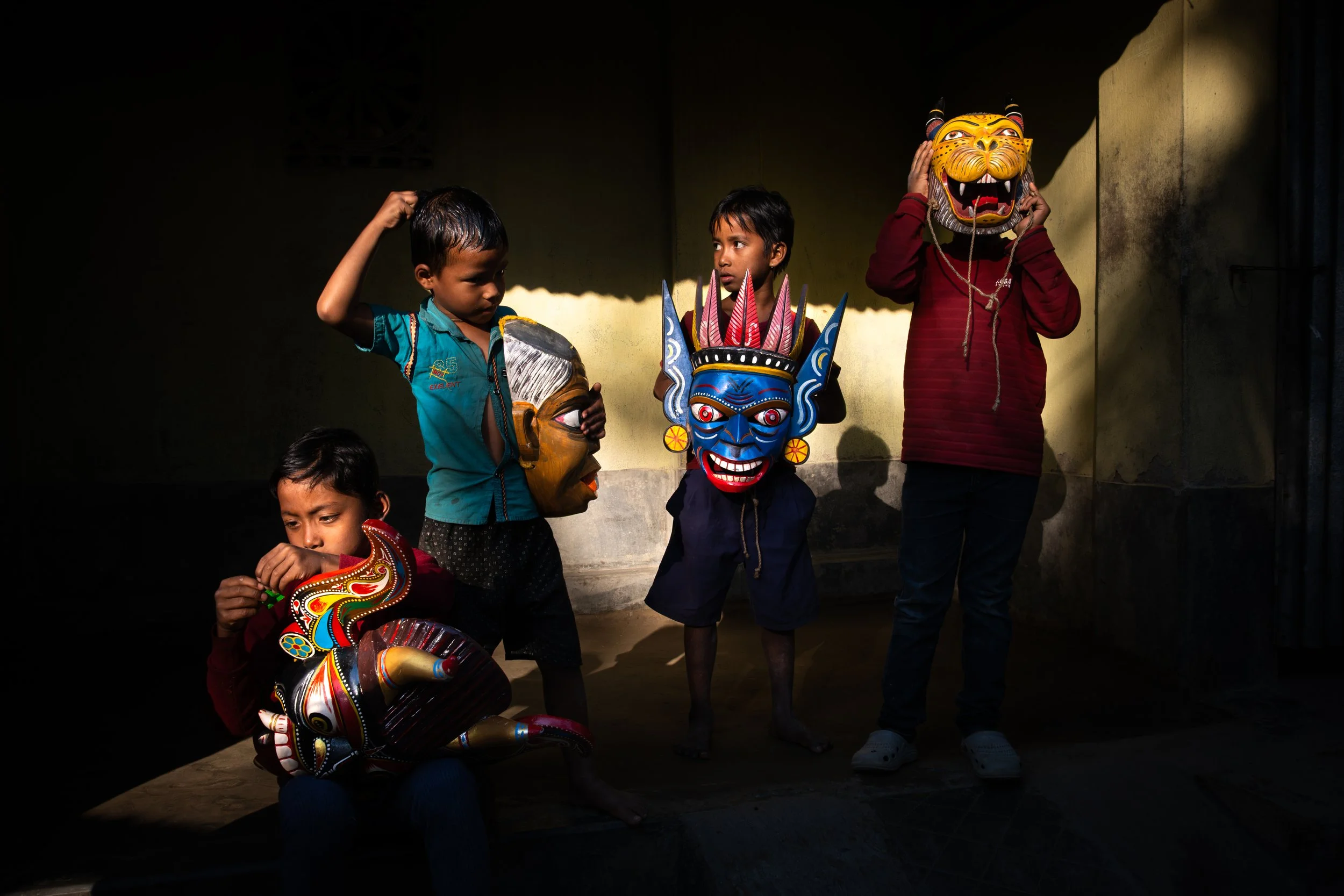
(c) Joanna Madloch
What is your photography routine like? Do you photograph every day?
I wish. Every day would be ideal, but between teaching and research it is not realistic. What I can do is protect at least one day a week for being out on the streets with the camera, and I treat that as non-negotiable.
What camera or mobile device do you use for photography? Do you shoot digitally, on film, or a mix of both?
I work primarily with a Leica Q3 28mm. I have tried other cameras, but this one suits me best.
What challenges do you face when photographing on the street?
The street swings between two extremes: a discouraging "nothing is happening," when I cannot seem to find anything worth photographing, and an overwhelming "too much is happening," when I feel I missed something while I was looking at something else. The real challenge is finding the balance between the two — learning to see what is actually worth seeing.
Do you ever wonder what happens to the people in your photos?
Less "what happens to them?" and more "who are they? what are they thinking, what are they feeling?" There is a wonderful 1928 poem by one of my favorite writers, Vladimir Nabokov, called "The Snapshot," about being photographed and finding oneself trapped in a stranger's picture. The narrative potential of that idea is enormous.
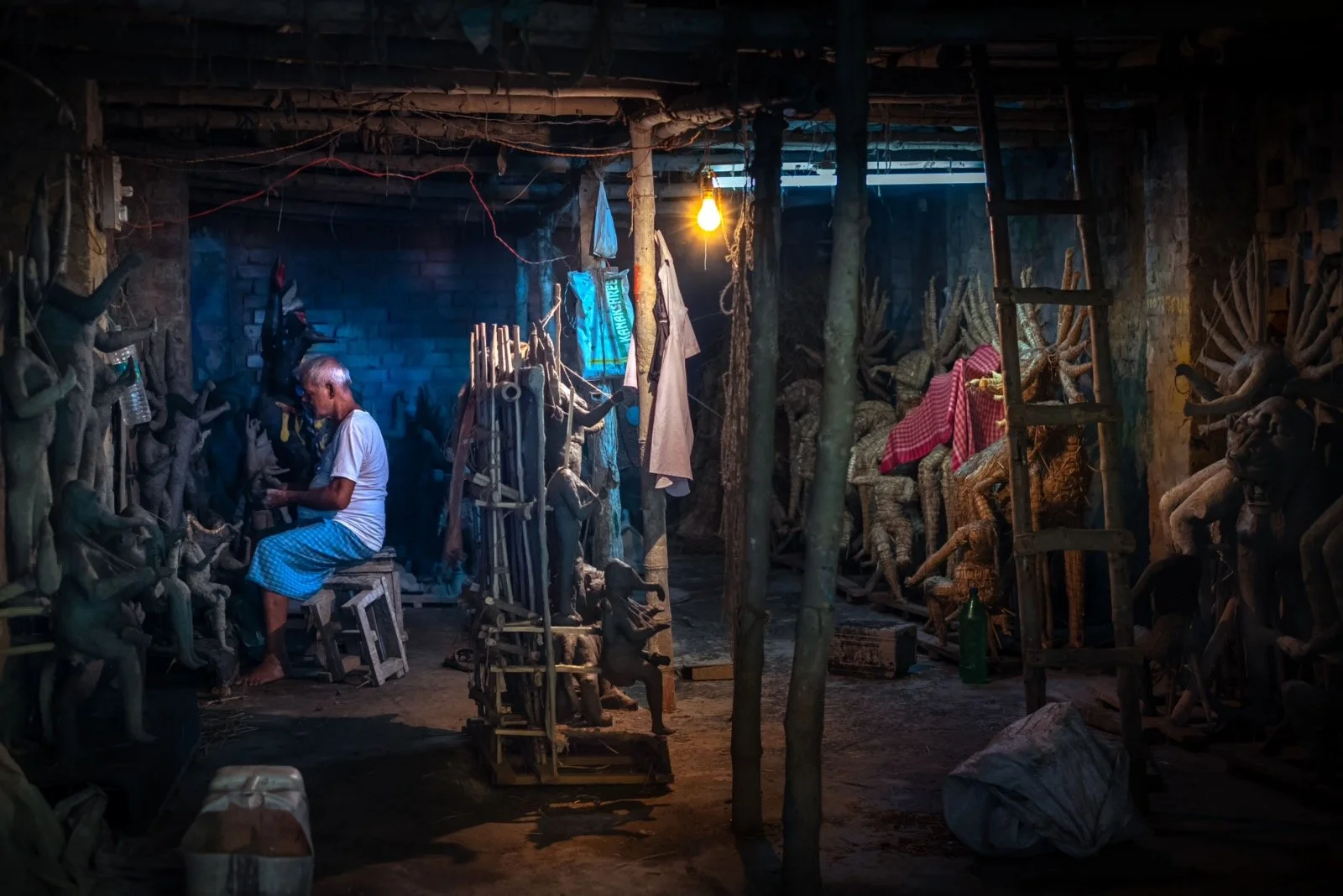
(c) Joanna Madloch
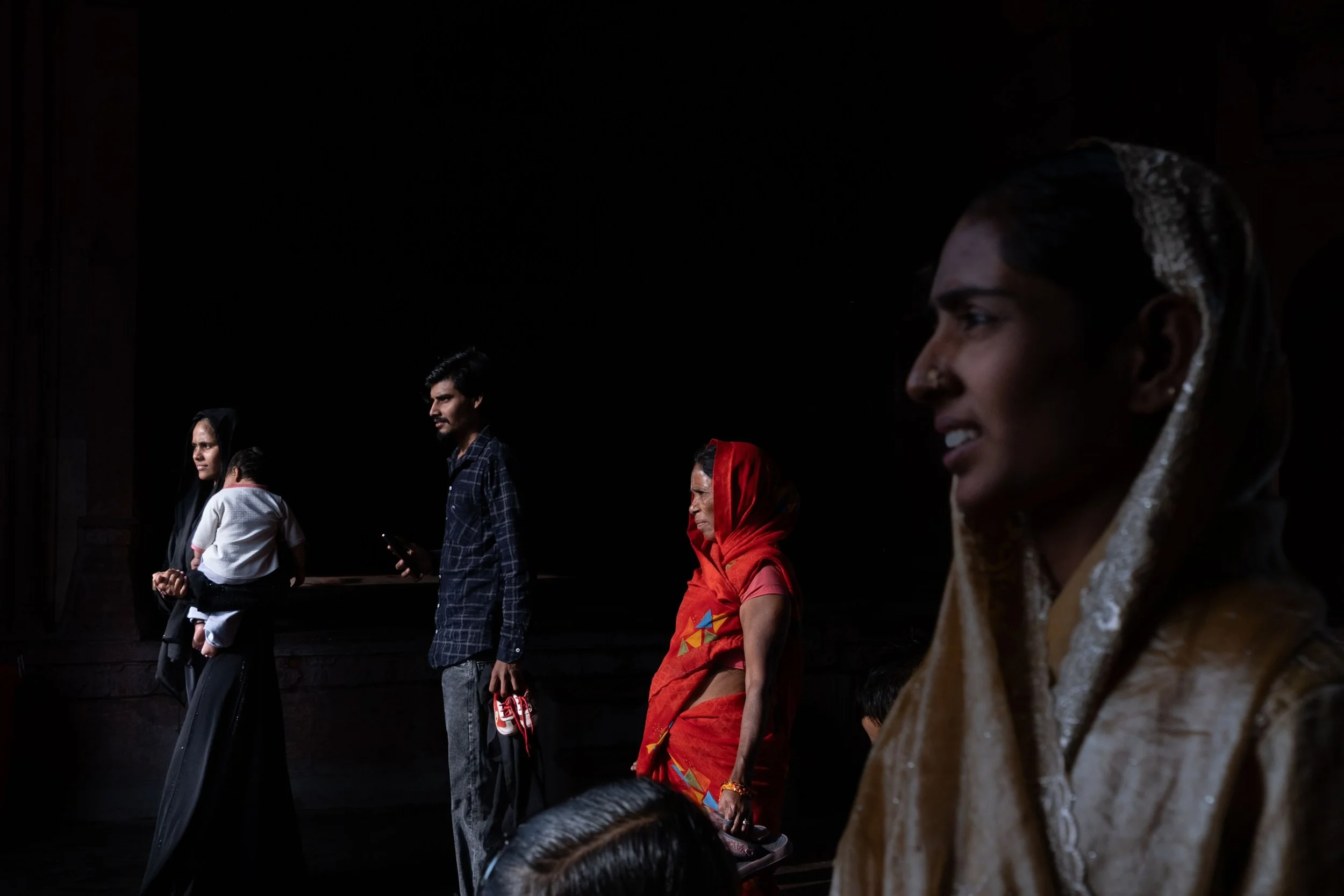
(c) Joanna Madloch
In your opinion, what is the biggest misconception people have about street photography?
That it is easy — that all you have to do is point a camera at people. The truth is the opposite. The street is the most generous and the least forgiving subject: it seems to give you everything, but if you don't know how to see, none of it matters. The skill is not in capturing the obviously striking moment, which anyone can do once or twice. The skill is in continuing to see after the obvious has been exhausted, and in recognizing the quieter, stranger moments most people walk past.
What are your favourite elements to capture in a street photograph? (light, colour, composition, human interaction, etc.)
I agree that every creative work is, in some way, a self-portrait, and mine is no exception. I have always been drawn to the "in-between" — crossings, tunnels, stairways, waiting rooms, train stations, everything that falls under Marc Augé's idea of "non-places": spaces of circulation and transit where everyone passes through and no one stays. I love when things become a little incongruous, a little strange, and ideally funny. I am almost always looking for humor in everyday life.
What is your take on social media influence on street photography?
Social media has democratized street photography in real ways. It has built communities, surfaced new voices, and given photographers far faster feedback than the gallery system ever offered. At the same time, it has flattened the visual register somewhat, as photographers absorb what the algorithm rewards. I try to use Instagram as a sketchbook rather than a polished portfolio, and to trust that the work that matters most to me is not always the work that performs best in a feed.
Are your prints available for purchase? If so, where can art buyers and collectors contact you to purchase them?
Yes — prints from most of my series are available. The best way to reach me is by email at joannamadloch@gmail.com, or through my website, joannamadloch.com. I am happy to discuss editions, sizes, and pricing directly.
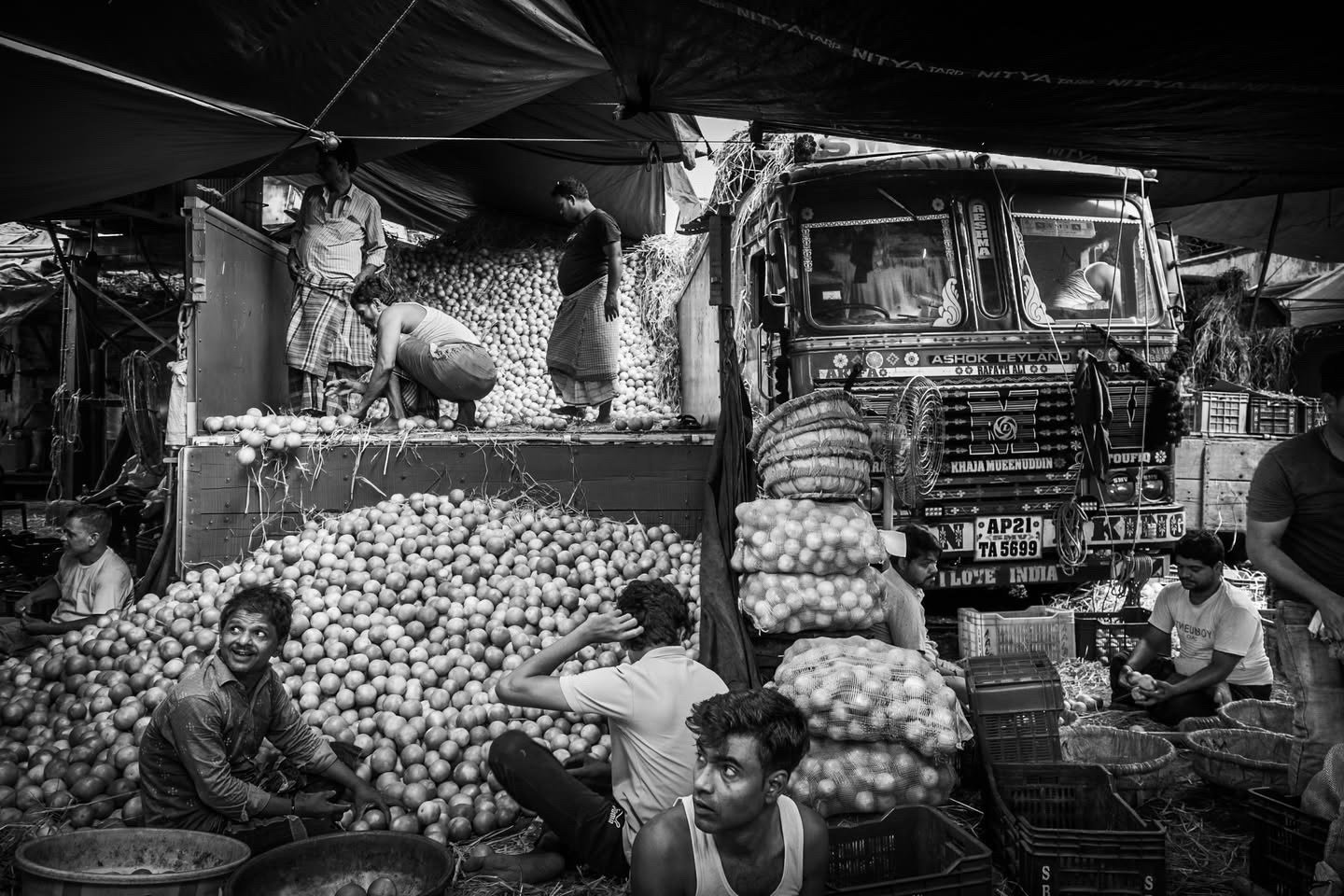
(c) Joanna Madloch
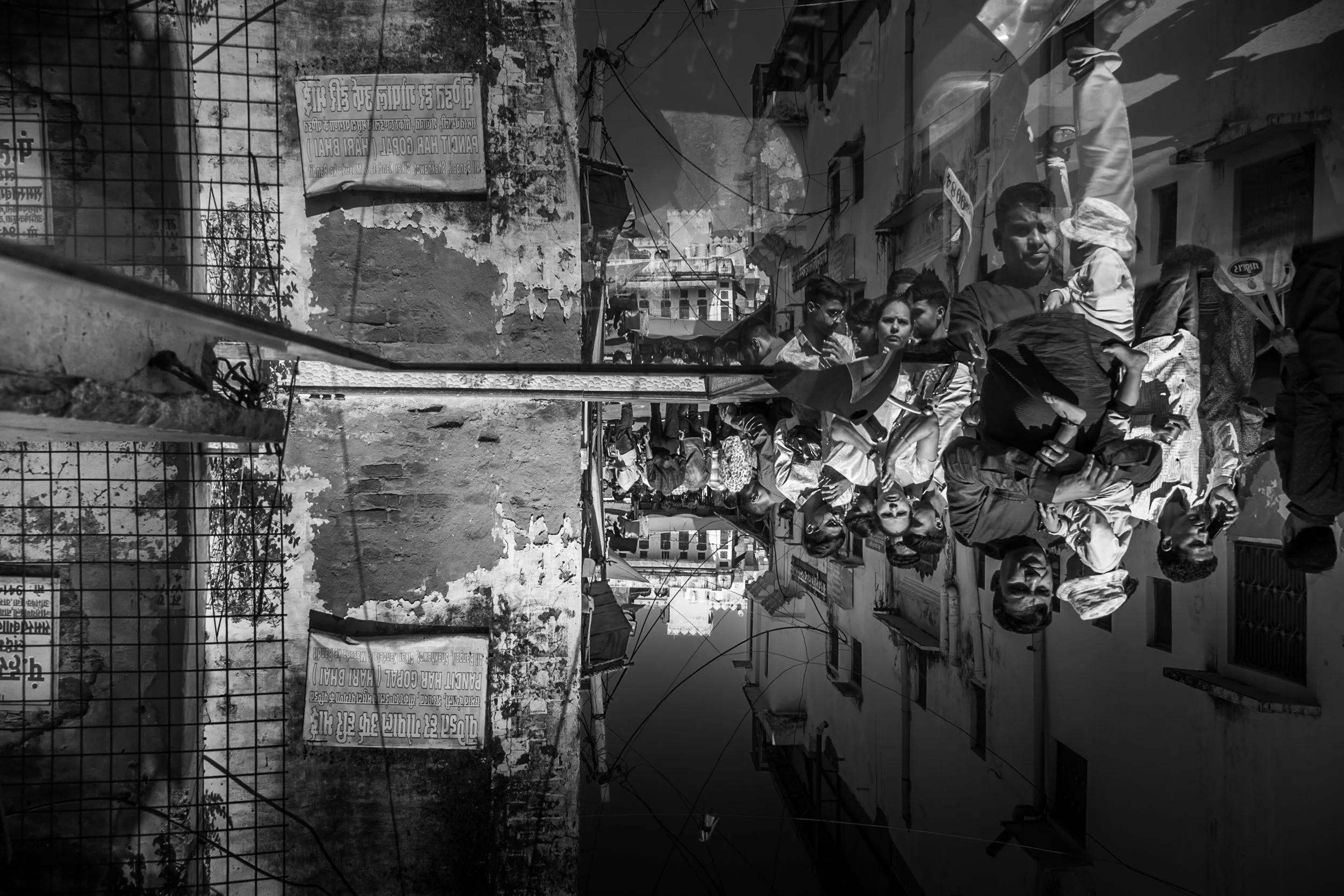
(c) Joanna Madloch
What advice would you give to aspiring photographers?
Walk more than you think you need to. Know your gear. But most importantly, remember that what makes a street photographer is not equipment — it is accumulated attention. The patient practice of returning to the same neighborhoods in different weathers and moods until you begin to see them as no one else does. Read widely outside photography; some of the best photographic education I have ever had came from literature, mythology, and old films. And do not be in a rush to develop a style. A style is what you end up with after years of honest looking, not something you choose at the start.
A huge thank you to Joanna Madloch for sharing her incredible journey.
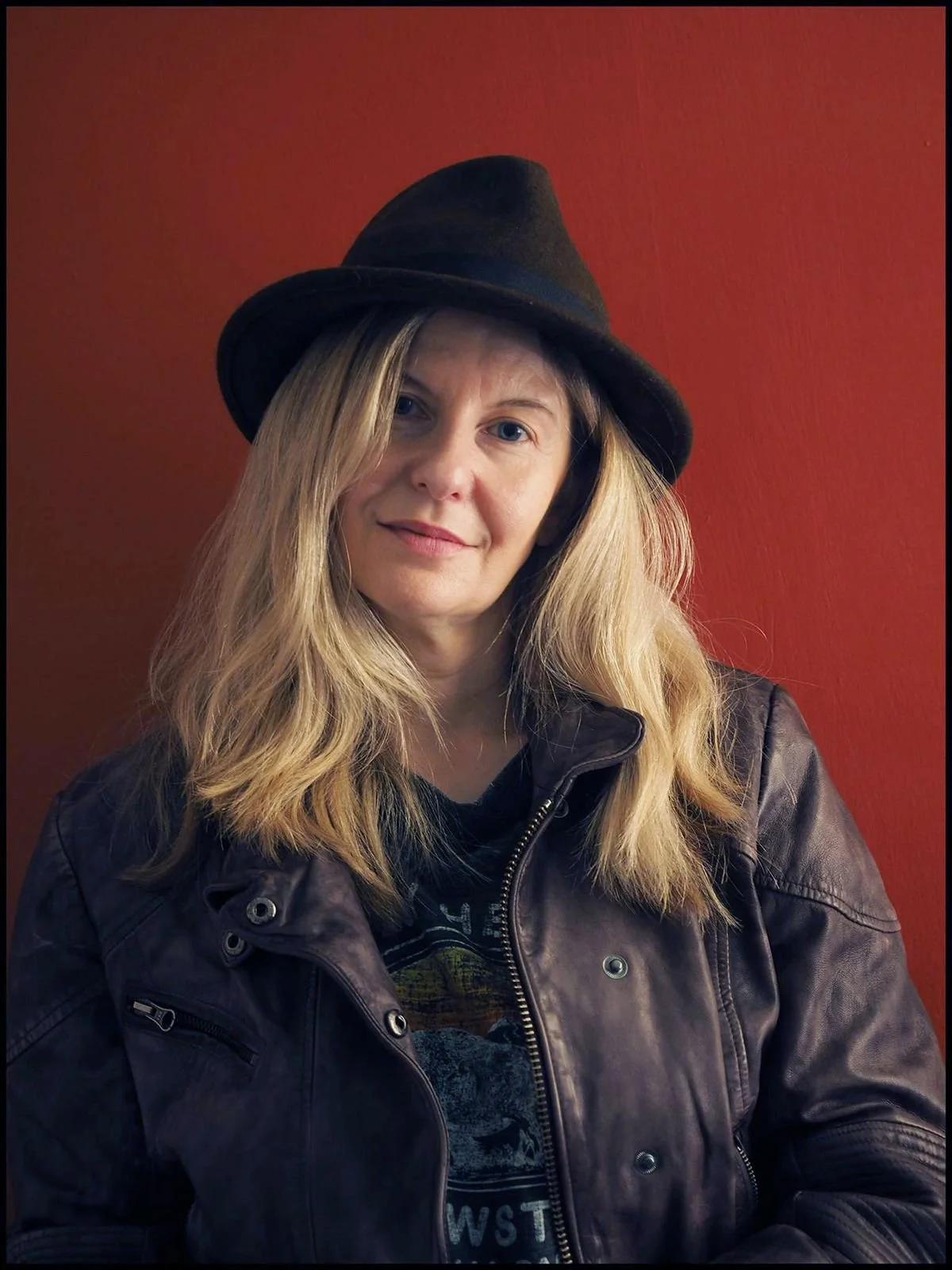
In Frame : Joanna Madloch