
Savva Locci, A Distinctive and Deeply Intuitive Street Photographer Celebrated for Atmospheric Tension and the Hidden Strangeness of Everyday Life
An Exclusive Interview with Pure Street Photography
Discover how Savva approaches photography through observation and psychological sensitivity, using light, reflections and urban fragments to reveal atmosphere and moments that exist between reality and mystery.
Interview by Dimpy Bhalotia and Kamal Kumaar Rao
11/05/2026
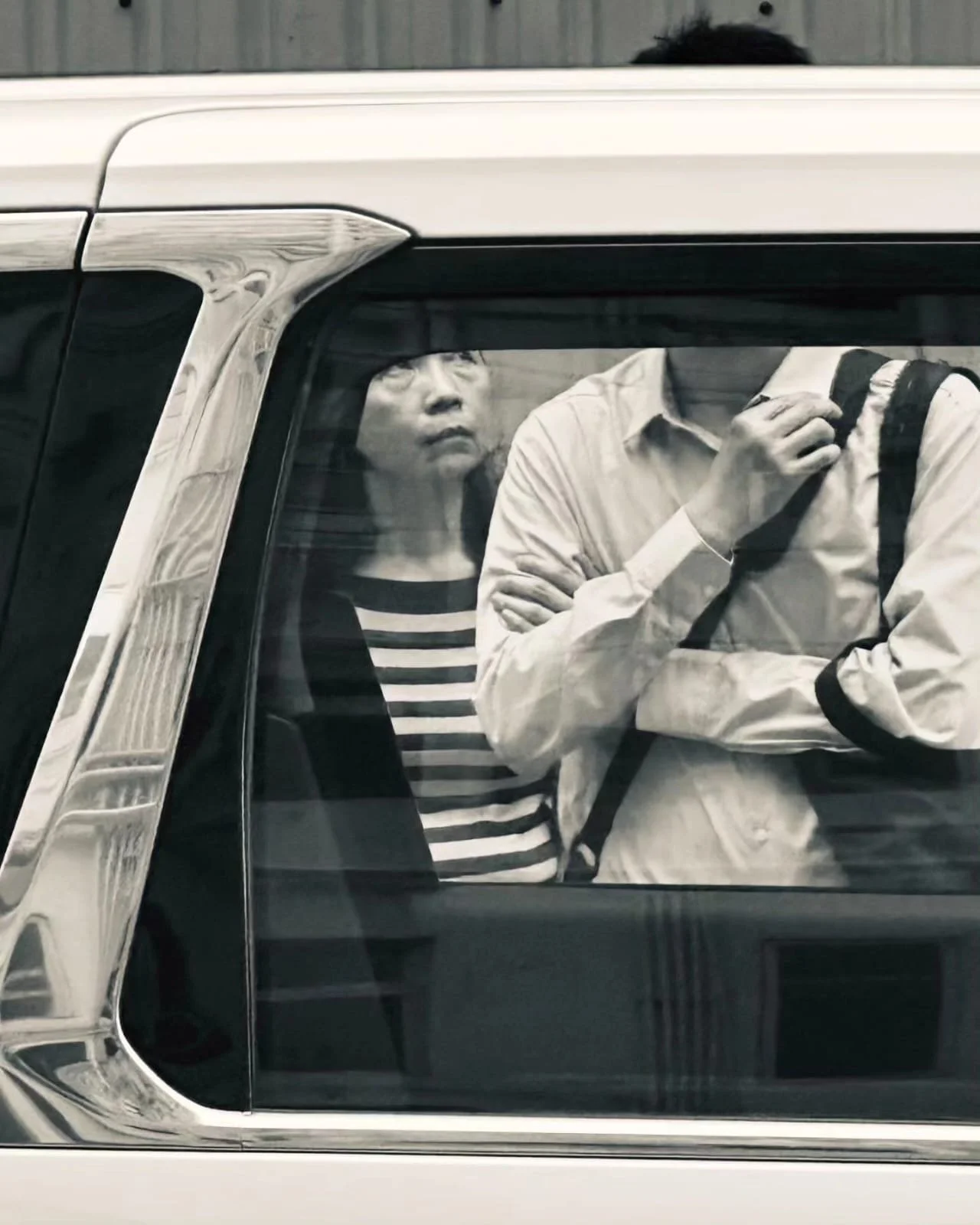
(c) Savva Locci
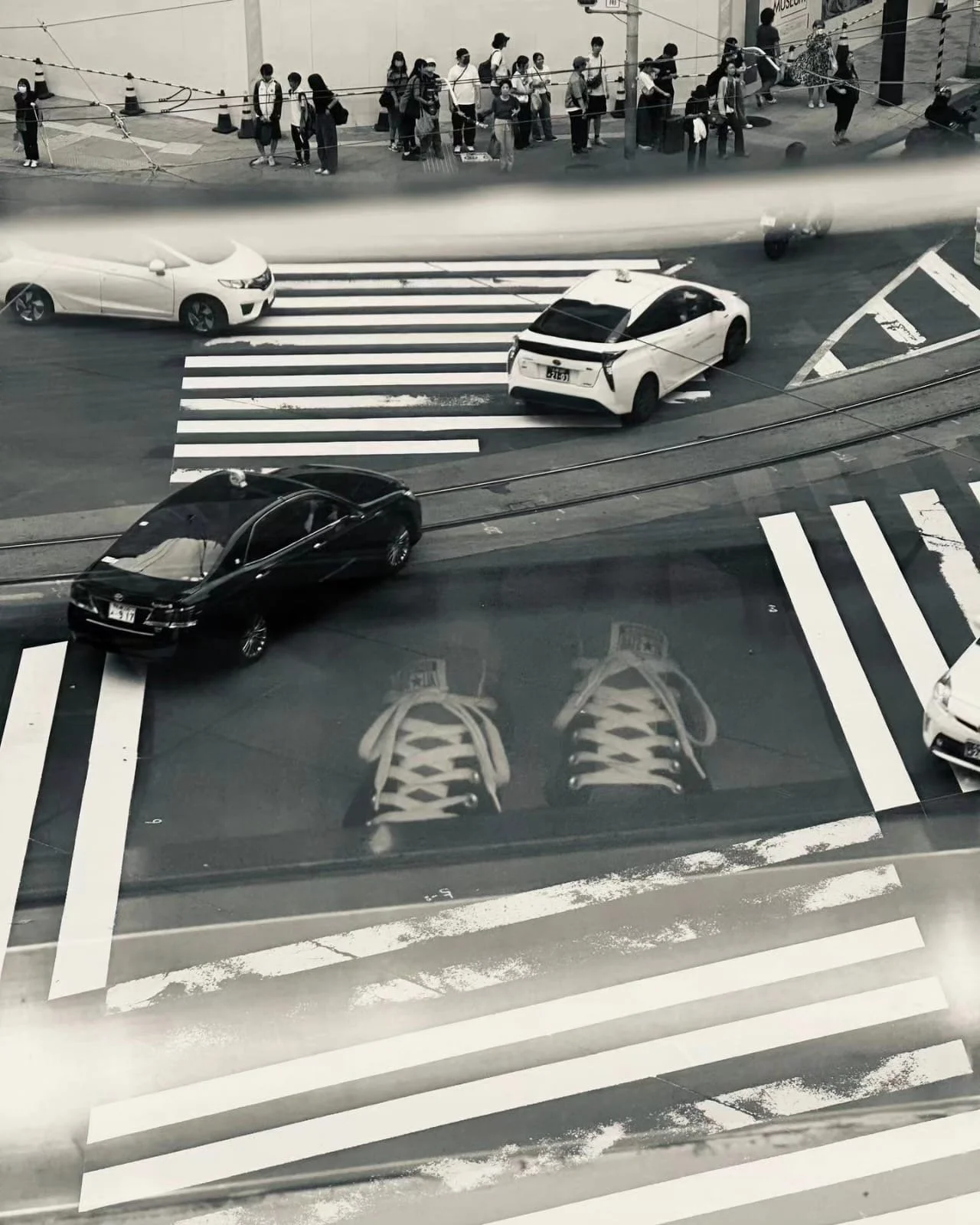
(c) Savva Locci
We would love to know more about you! Who you are and where you're from? When did you start street photography?
My name is Savva Locci. I’m originally from Hong Kong, and I’m now based in London. Moving between these two cities has shaped the way I see the world and the way I photograph it. Hong Kong gave me a strong sense of density, speed, and visual pressure, while London has brought a different rhythm — quieter, more distant, and in some ways more reflective.
I didn’t begin with the idea of becoming a street photographer. In fact, it started very unexpectedly — with a fly. One rainy, gloomy day in Hong Kong, I made a close-up photograph of an ordinary fly. It sounds almost ridiculous, but that image changed something for me. It made me realize that photography could transform even the most overlooked subject into something charged and meaningful. That was the moment I began to take image-making seriously.
From there, the street became a natural space for me. It offered everything I was drawn to: chance, movement, tension, fragments, and those small moments that are easy to miss in everyday life. I started street photography when I understood that the camera could do more than simply record what was in front of me — it could reveal strangeness, atmosphere, and emotion inside ordinary reality. Since then, walking and observing have become central to my practice
What inspired you to become a street photographer?
What inspired me to become a street photographer was the realization that the ordinary world is never really ordinary. That began with a very small moment for me — photographing a fly on a rainy day in Hong Kong and seeing that an overlooked subject could suddenly become strange, intense, and visually alive. After that, I started paying closer attention to everything around me, especially in the street.
The street drew me in because it is full of instability. Nothing stays still for long. Light shifts, people appear and disappear, gestures happen in an instant, reflections distort what is real, and completely unrelated elements can suddenly come together in a way that feels meaningful. I became fascinated by that mixture of chance and tension.
Street photography gave me a way to work with both observation and intuition. It allowed me to walk without a rigid plan and remain open to moments that could never be staged. What inspired me most was that sense of discovery — the feeling that the camera could reveal something emotionally or psychologically charged inside everyday life, if only for a fraction of a second.
How would you describe your work in terms of style and/or approach?
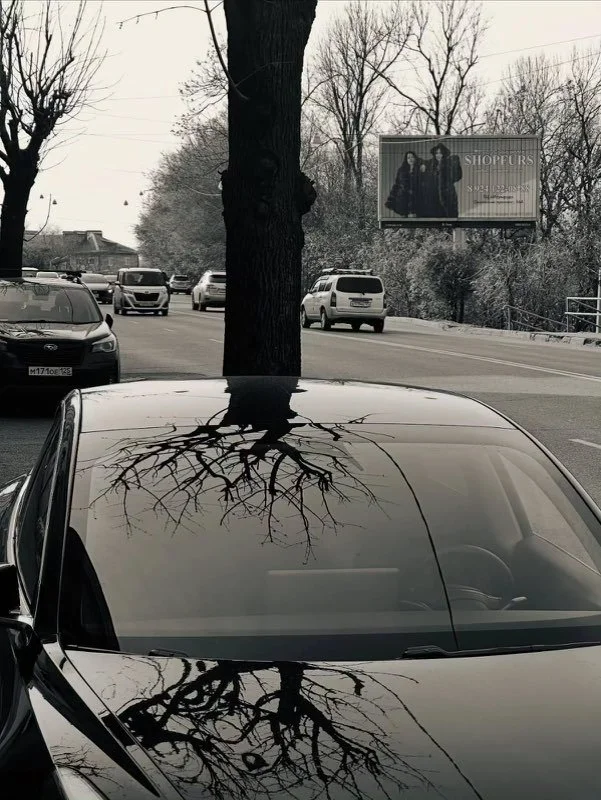
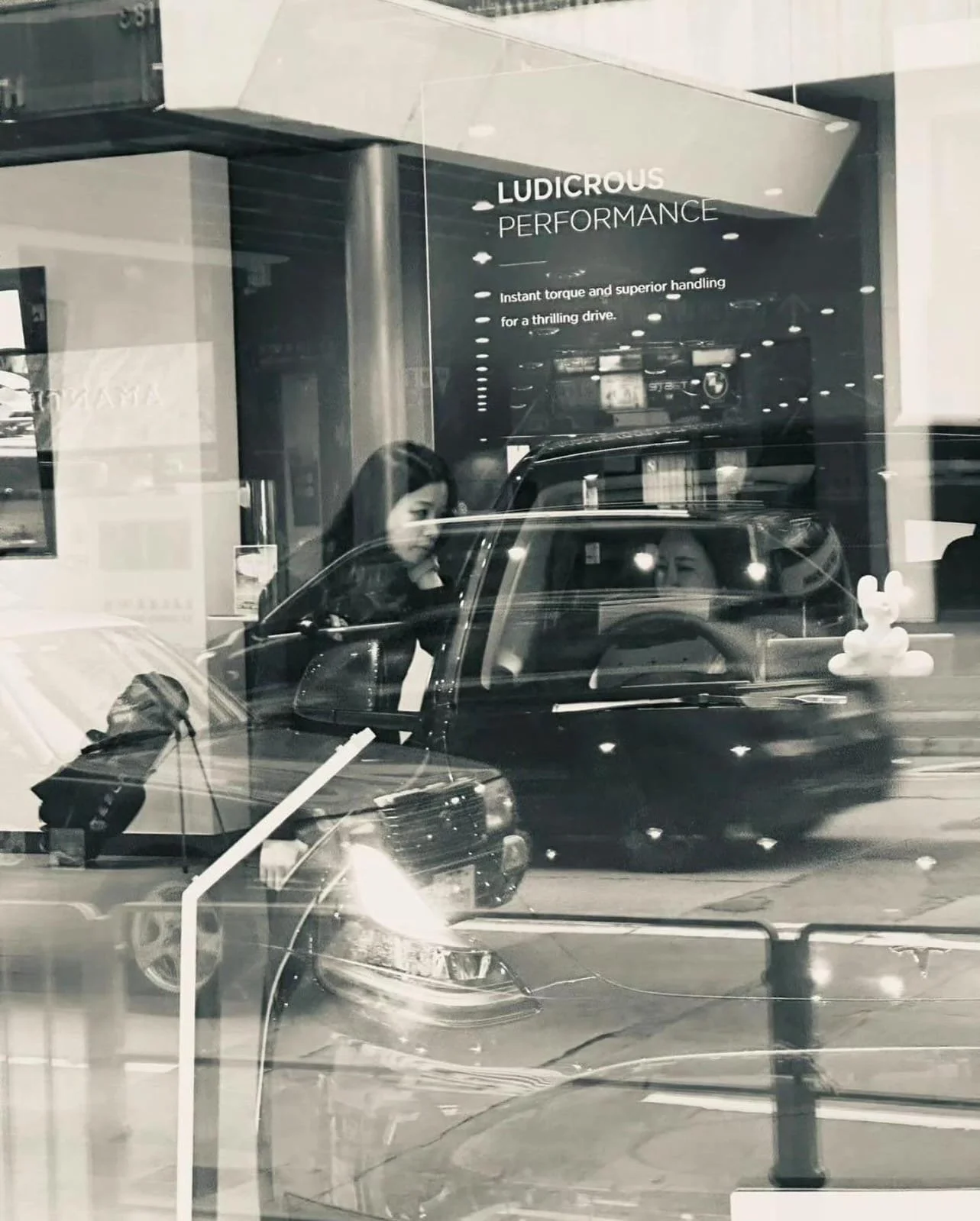
I would describe my work as intuitive, fragmentary, and emotionally attentive. In terms of style, I am drawn to ambiguity rather than clarity for its own sake. I often photograph reflections, passing figures, damaged surfaces, shadows, and small visual tensions in the urban environment. I am less interested in the grand event than in the subtle moment when something ordinary becomes psychologically charged or slightly strange.
My approach is based on walking, observing, and staying open. I do not usually go out with a fixed narrative in mind. Instead, I try to remain sensitive to chance — to fleeting alignments, gestures, layers, and accidents that reveal something beyond the surface of the scene. Street photography, for me, is not only about documenting public life, but about discovering fragments that carry atmosphere, tension, or memory.
Visually, I often work in monochrome or restrained color because I like the discipline and mood they create. They help me focus on structure, rhythm, and emotional weight. Overall, my approach is to use the camera as a way of noticing what is easy to overlook, and of giving ordinary reality a slightly different intensity.
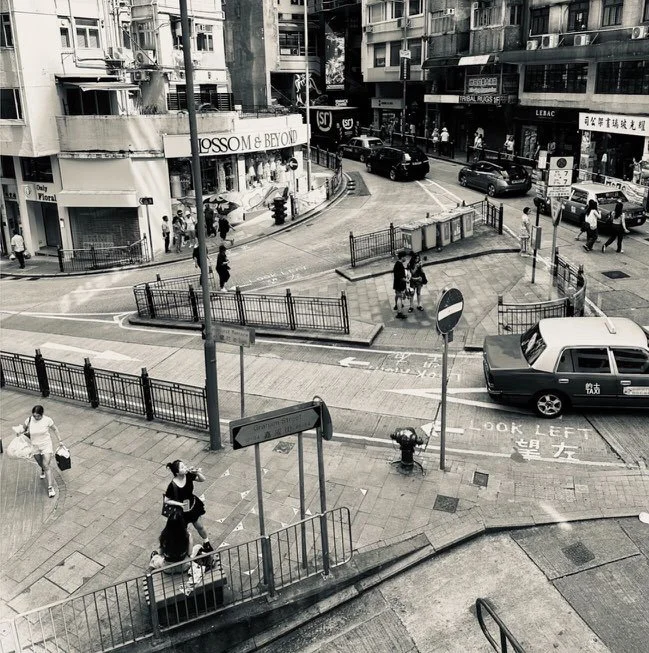
(c) Savva Locci
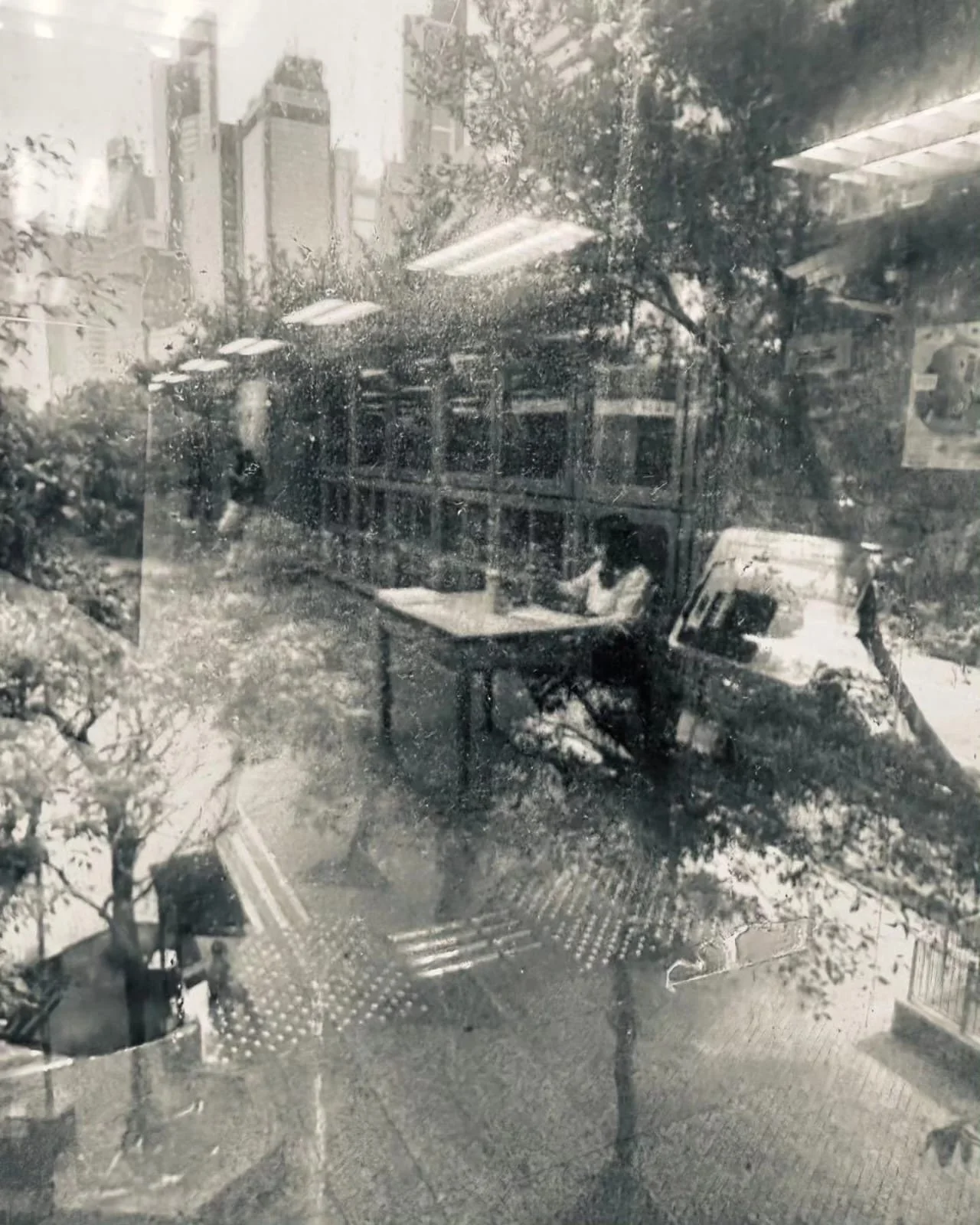
(c) Savva Locci
What is your photography routine like? Do you photograph every day?
My routine is fairly simple, but it depends a lot on the rhythm of daily life. I do not force myself to photograph every single day, because I have found that constant shooting without real attention can become mechanical. What matters more to me is staying mentally open — remaining observant, noticing light, gestures, reflections, tensions in space, and the small visual disturbances that can appear at any moment.
That said, photography is present in my everyday life almost constantly. Even when I am not carrying a camera or actively shooting, I am still looking. Walking is a very important part of my process. I spend a lot of time moving through the city, letting places reveal themselves gradually rather than chasing specific images too aggressively. Some days I photograph a lot, and some days I do not take a single frame, but observation never really stops.
So I would say my routine is less about strict repetition and more about maintaining sensitivity. I try to stay available to the unexpected, because street photography depends so much on presence, patience, and the willingness to recognize something when it suddenly appears.
What camera or mobile device do you use for photography? Do you shoot digitally, on film, or a mix of both?
I shoot digitally, mainly with an iPhone or a Leica M11. I like working with both because they serve different situations while allowing me to stay responsive and attentive. The iPhone gives me immediacy and discretion, while the Leica offers a different kind of presence and concentration. In both cases, what matters most to me is being ready for fleeting moments rather than being overly occupied with equipment.
My practice is fully digital. Street photography, for me, depends on speed, intuition, and mobility, so digital feels like the most natural medium. It allows me to respond quickly to chance encounters, shifting light, and brief visual tensions in the street.
What challenges do you face when photographing on the street?
One of the main challenges is that the street is never neutral. It is unpredictable, crowded, overstimulating, and constantly changing, which is also exactly what makes it compelling. You have to work within uncertainty. A moment appears and disappears almost instantly, and often the challenge is not only technical timing, but being mentally present enough to recognize that something is happening before it is gone.
Another challenge is learning how to remain open without becoming intrusive. Street photography requires a certain balance between attention and restraint. You are moving through public space, but you are also dealing with people’s presence, vulnerability, and the ethics of observation. For me, it is important that the work does not come from aggression, but from sensitivity and awareness.
There is also the more internal challenge of avoiding repetition. When you photograph on the street regularly, it is easy to fall back on habits — the same gestures, the same compositions, the same kinds of images. So part of the challenge is to keep your eye alive, to stay curious, and to continue seeing the everyday world as something unstable and full of possibility rather than something already known.
Do you ever wonder what happens to the people in your photos?
Yes - often. That is one of the things that keeps street photography alive for me. When I photograph someone in passing, I usually know almost nothing about them, and that lack of knowledge becomes part of the image. The photograph holds a real presence, but also a gap — a life continuing beyond the frame that I can only imagine.
I think that is one reason I am drawn to the street. Every person you encounter carries a whole world of private thoughts, memories, routines, fears, desires, and histories that remain inaccessible. A photograph can never contain all of that, but it can register a trace of it. Sometimes I wonder where a person was coming from, where they were going, what they were thinking in that exact moment, or whether the mood I sensed in the image had anything to do with their actual life.
At the same time, I do not want to impose too much certainty on those unknowns. For me, the power of street photography lies partly in that mystery. The people in the frame remain real, but they also remain unknowable. That tension matters to me. It reminds me that every photograph is both an encounter and a limit.
(c) Savva Locci
(c) Savva Locci
In your opinion, what is the biggest misconception people have about street photography?
I think one of the biggest misconceptions is that street photography is only about quick reactions or lucky accidents. Timing is important, of course, but good street photography is not just a matter of being in the right place at the right second. It also involves attention, sensitivity, editing, and a way of seeing that develops over time. The strongest images usually come from more than chance — they come from how a photographer relates to the world.
Another misconception is that street photography is simply about documenting strangers in public space. For me, it is much more than that. It can be observational, psychological, poetic, critical, or ambiguous. It is not only about what is happening outwardly, but also about atmosphere, tension, and the hidden relationships between people, objects, light, and space.
I also think some people assume street photography is careless or intrusive by nature. But for many photographers, including me, it is actually grounded in sensitivity and restraint. It is not about taking from the street aggressively; it is about being present, alert, and respectful while trying to recognize moments that reveal something meaningful about everyday life.
What are your favourite elements to capture in a street photograph? (light, colour, composition, human interaction, etc.)
What I am most drawn to are moments where several elements come together in a way that feels unstable but precise. Light is very important to me, especially when it creates tension, obscures something, or briefly transforms an ordinary scene. I am also very attentive to reflections, shadows, textures, and the way surfaces can carry memory or atmosphere.
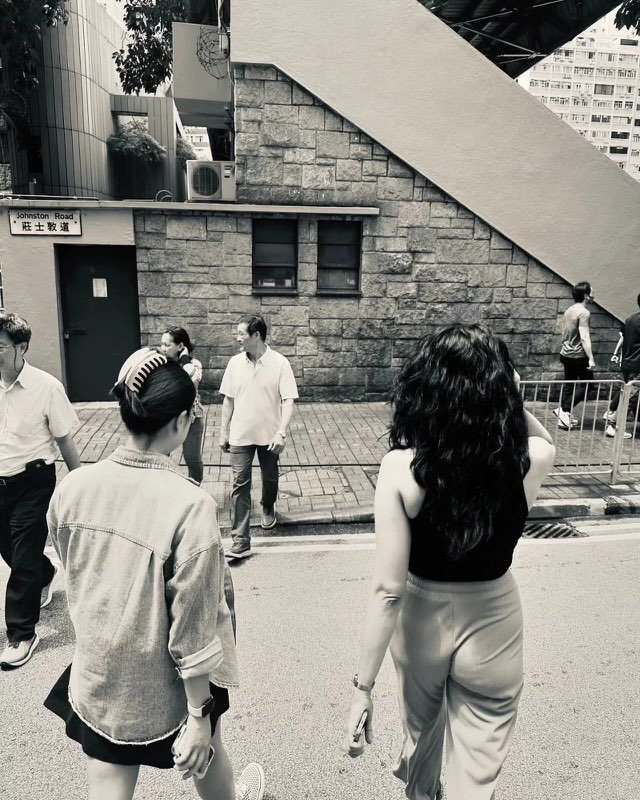
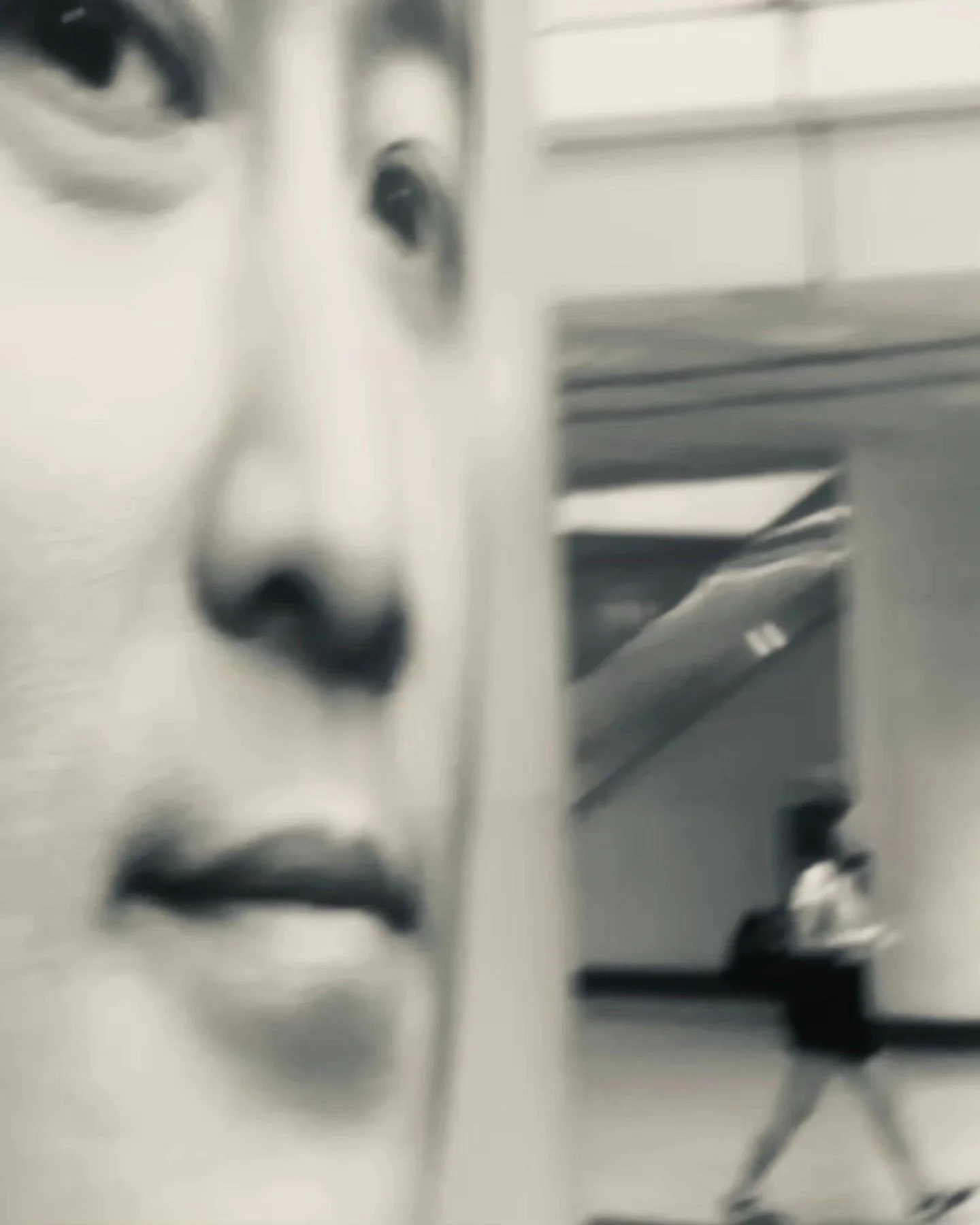
Human presence matters as well, but not always in a direct or narrative way. I am often more interested in a passing gesture, a silhouette, a blur, or the distance between people than in explicit interaction. Sometimes a figure becomes part of the composition almost like another fragment of the city, and that ambiguity interests me.
Composition is essential, of course, but I think of it less as control and more as alignment — a moment when different visual elements suddenly fall into relation with one another. So if I had to name my favourite elements, I would say light, reflections, movement, spatial tension, and those fleeting human traces that make an image feel alive without fully explaining it.
What is your take on social media influence on street photography?
Social media has had a huge influence on street photography, both positively and negatively. On the positive side, it has made the medium far more accessible and connected. Photographers can share work instantly, discover artists from different parts of the world, and be part of an ongoing visual conversation that would have been much harder to access before. In that sense, social media has opened the field in an important way.
At the same time, I think it can also encourage speed, repetition, and a kind of visual conformity. Because images are often consumed so quickly, there is a temptation to make work that is immediately striking, easily legible, or shaped by what performs well rather than by what remains meaningful over time. Street photography can become reduced to instant effect — a clever coincidence, a loud composition, a familiar formula.
For me, the challenge is to use social media without letting it dictate the way I see. It can be a useful space for sharing work and discovering others, but it should not replace the slower process of developing a personal vision. In the end, I think the value of a photograph is not measured by how quickly it circulates, but by whether it continues to hold attention, ambiguity, and emotional force after the first glance.
Are your prints available for purchase? If so, where can art buyers and collectors contact you to purchase them?
At the moment, my prints are not available through a dedicated shop, but I am open to conversations with art buyers and collectors. If someone is interested in acquiring a print, they are very welcome to contact me directly via Instagram or email to discuss options, formats, and pricing.
(c) Savva Locci
(c) Savva Locci
What advice would you give to aspiring photographers?
My advice would be to focus first on attention rather than style. Learn to really look at the world and notice what others overlook. Be patient with your progress, because a personal voice takes time to develop. And try not to photograph only for approval or quick recognition. The most important thing is to stay honest about what genuinely draws you, and to keep working until your way of seeing becomes clearer.
A huge thank you to Savva Locci for sharing his incredible journey.

In Frame : Savva Locci