
Sven Delaye, Third Place B&W Winner of the Pure Street Photography Awards 2026, Praised for Revealing the Poetry of a World We Have Forgotten to Notice
An Exclusive Interview with Pure Street Photography
Discover how a rejected landscape submission unexpectedly changed the course of Sven’s photography, leading him to find his visual language in the streets and spend years travelling the world with an open eye for gestures, strangers and ordinary moments most of us simply pass by.
Interview by Dimpy Bhalotia and Kamal Kumaar Rao
3/10/2026
(c) Sven Delaye
(c) Sven Delaye
Congratulations on being awarded Third Place B&W Winner at the Pure Street Photography Awards 2026, Sven! How does it feel to see your photograph go from an award submission to an internationally recognised winning image, receive worldwide press coverage from The Guardian to Forbes, and now be exhibited in Jaipur, India, in November 2026?
Thank you very much. It has been an exciting and incredibly rewarding experience. Submitting my photograph was already a personal challenge, because you never know how your work will be received. Being chosen as one of the official winners was therefore a wonderful surprise.
This recognition means a great deal to me. Street photography started almost by accident, so it is very encouraging to see that my way of observing and photographing everyday life resonates with others. I’m especially excited to see my photograph exhibited in Jaipur this November. It’s amazing to think that an image taken during an ordinary moment in the street will travel internationally and be seen by people from different cultures. I feel very grateful, proud, and honoured to be part of the exhibition.
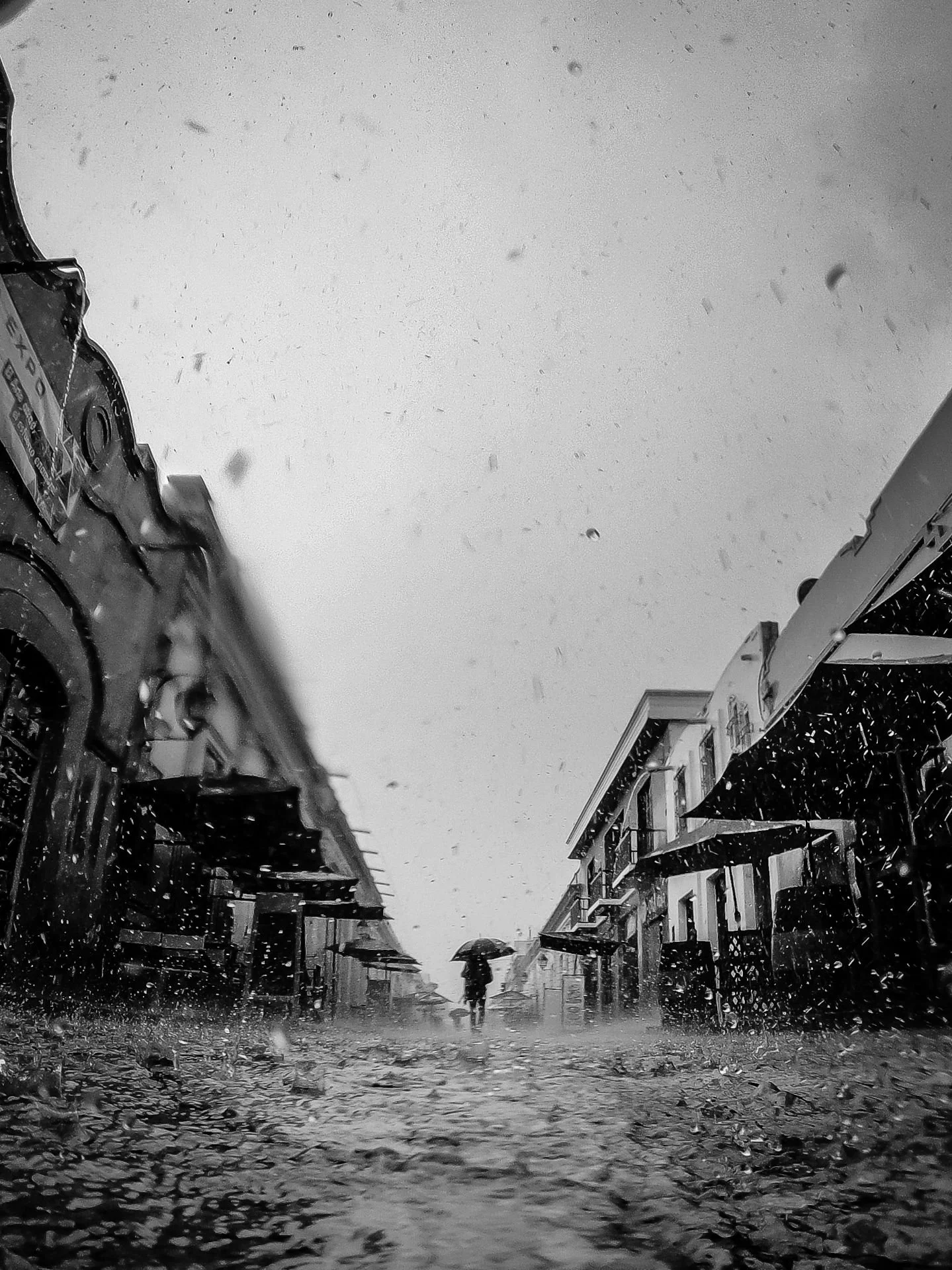
(c) Sven Delaye (France), Third Place Winner, “The Rain”
We would love to know more about you! Who you are and where you're from? When did you start street photography?
My name is Sven Delaye. I’ve been travelling around the world for the past ten years, and I’ve always loved capturing moments from everyday life. Just as Molière’s Monsieur Jourdain spoke prose without knowing it, I was taking street photographs without realising it. Everything changed in early 2020. I used to keep my street photographs to myself because I thought they would not interest anyone. That same year, I submitted some landscape photographs for the cover of a Guatemalan magazine. Unfortunately, or perhaps fortunately, the photographs were rejected. However, the publisher looked through my Instagram account and asked to use the only street photograph on my entire feed as the cover image.
I then started sharing my street photography, and the response was overwhelmingly positive. I decided to continue, and my work has since received international recognition in the United States, Mexico, Italy, the United Kingdom, Greece, France, South Korea, and many other countries.
What inspired you to become a street photographer?
My inspiration comes from everyday life: ordinary situations, a stranger passing by, a glance, or the curve of a smile. I like discovering the beauty in a scene at the end of a street, the poetry in a gutter, the emotions unfolding in a park, or the hint of a feeling conveyed through a gesture.
The everyday beauty and poetry surround us constantly, yet we are often barely aware of them. I can’t decide whether we simply choose to ignore them, or whether we have become so accustomed to them that they seem ordinary. So I take my camera with me to capture these moments and show the world everything we miss when we fail to open our eyes or simply look away.
How would you describe your work in terms of style and/or approach?
I would describe my approach as spontaneous, observational, and opportunistic in the best sense of the word. I usually walk around with my camera, without a fixed idea of what I am looking for, and wait for something to happen. Something that catches my eye or creates an interesting moment. I’m not interested in staging scenes. I prefer to observe and react to what is happening around me: a particular light, a gesture, an unexpected interaction, or a fleeting expression. My work is therefore based on patience, intuition, and the ability to recognise a meaningful image when it suddenly appears.
(c) Sven Delaye
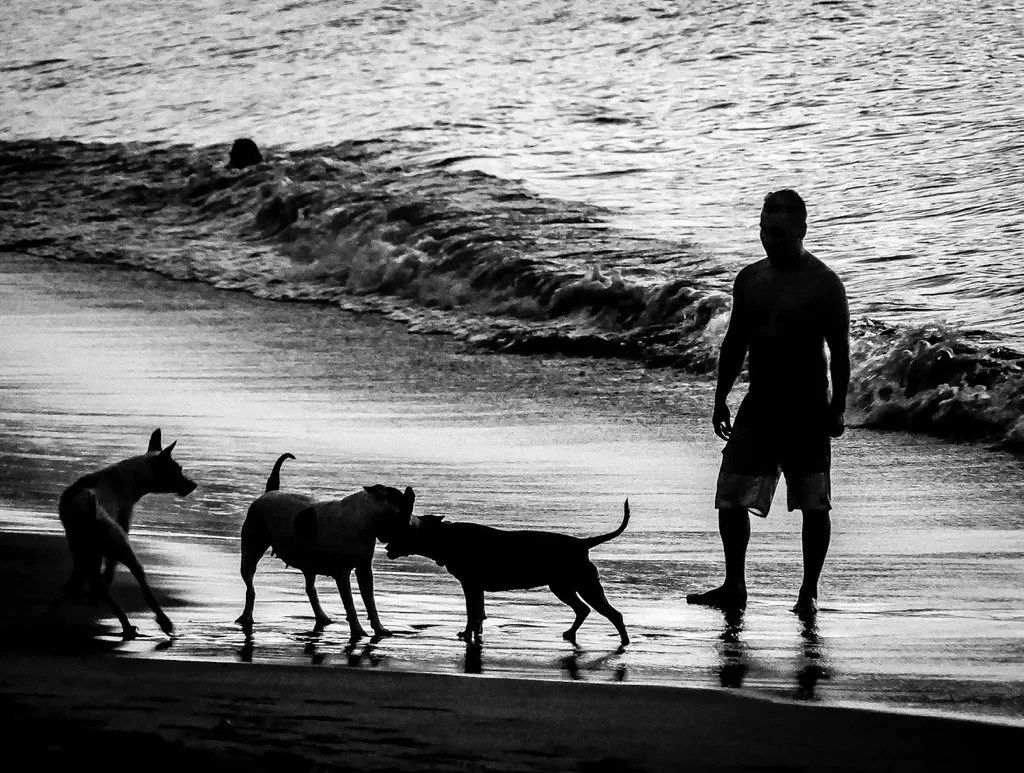
(c) Sven Delaye
What is your photography routine like? Do you photograph every day?
I don’t have a fixed routine, but I never go out without my camera. It’s usually around my neck or within easy reach, although I keep it discreetly out of sight in places where it might be unsafe to carry it openly. I don’t photograph every day, but I’m always observing. I simply walk, stay alert, and wait for something, a light, a gesture, or a fleeting moment, to catch my attention.
What camera or mobile device do you use for photography? Do you shoot digitally, on film, or a mix of both?
I’ve used several different cameras depending on the situation. For a long time, I mainly worked with a Panasonic Lumix FZ300 because it was extremely versatile. Its powerful zoom and weather-sealed design made it particularly useful for travelling and photographing in difficult conditions. Unfortunately, after having it repaired in Colombia, I later realised that some of its components were missing. I discovered it too late, so I had to move on and currently use a Sony Alpha 5100. I work digitally, but I also have a project called “Instant Streets”, for which I use a Fujifilm Instax SQ20. I photograph strangers I meet in the street and give them a printed portrait as a small souvenir. For the photograph that won this third place, I used a GoPro because I was out in extremely heavy rain.
What challenges do you face when photographing on the street?
The main challenge is missing a moment. Street photography is unpredictable, and sometimes a scene disappears before I have time to react. That can be very frustrating, especially when I know I may never see that moment again. Safety is another concern in certain places, particularly because of the risk of theft. I always try to stay aware of my surroundings, keep my equipment discreet, and adapt to the environment while remaining ready to photograph.
Do you ever wonder what happens to the people in your photos?
Yes, sometimes I do. I often wonder whether the people in my photographs noticed the situation they were part of, or whether they were completely unaware of it. I also wonder how they might feel if they saw the image and discovered the way I had perceived them in that particular moment. Street photography captures brief, unplanned fragments of people’s lives, so I sometimes think about what was happening before or after I pressed the shutter. It reminds me that every photograph contains only a small part of a much larger story.
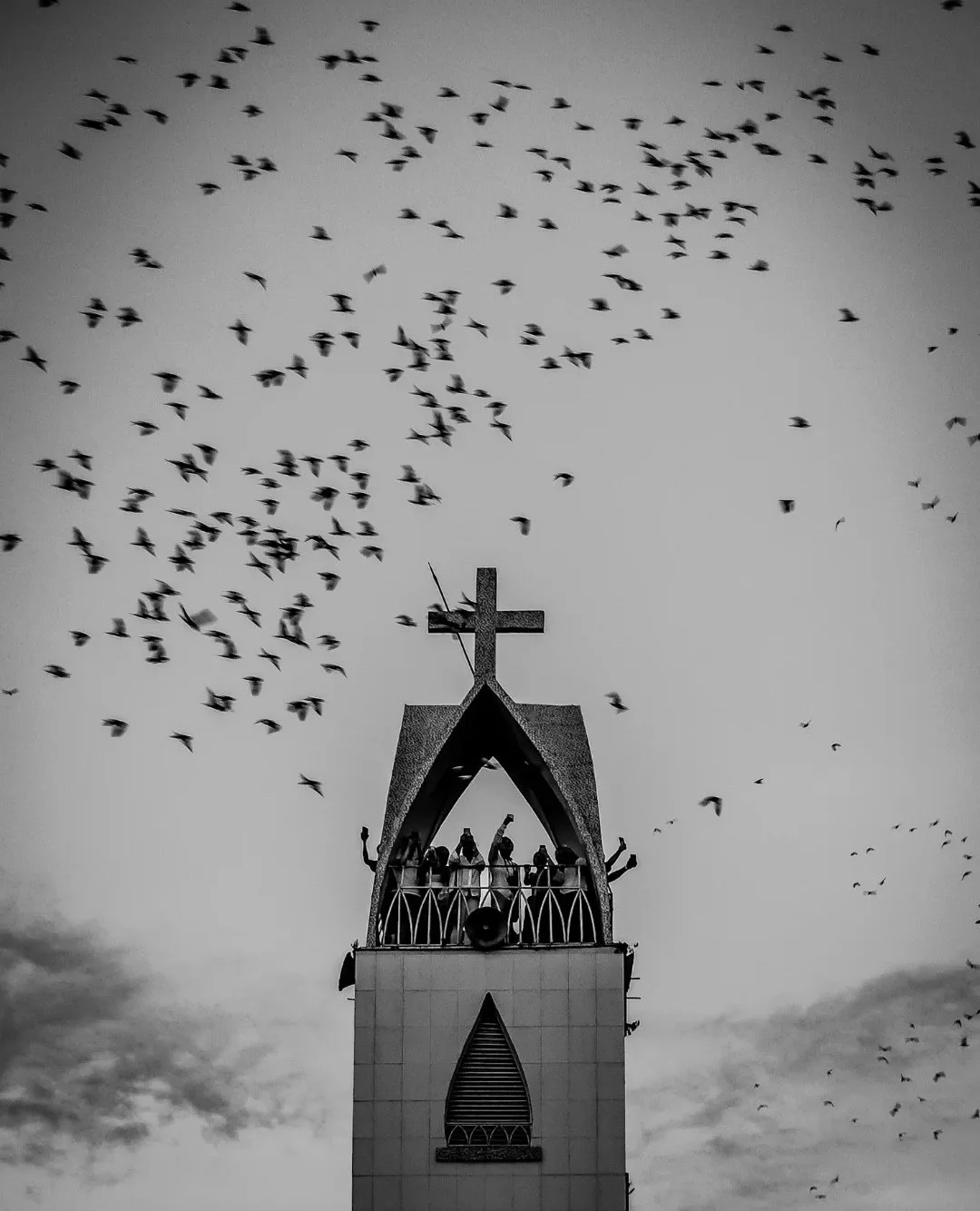
(c) Sven Delaye
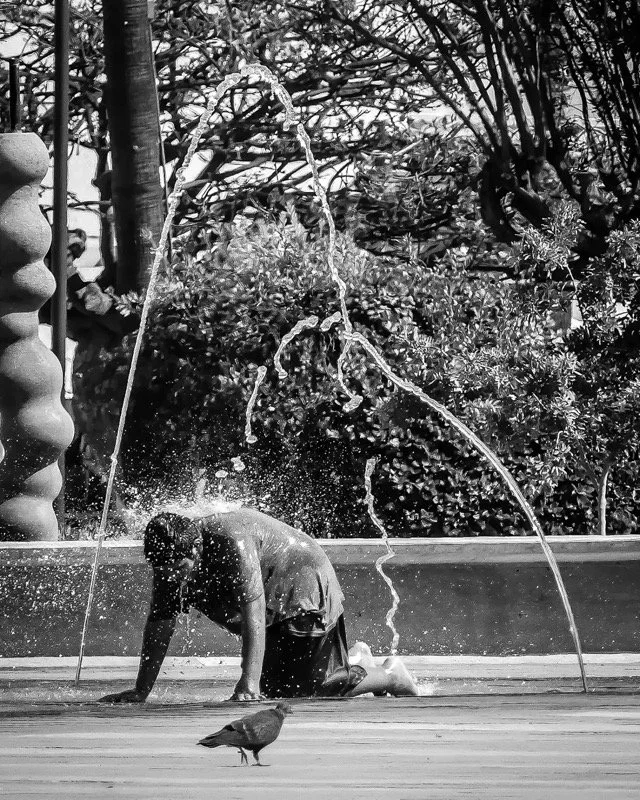
(c) Sven Delaye
In your opinion, what is the biggest misconception people have about street photography?
The biggest misconception is that street photography is just about taking random pictures of strangers. For me, it is about observing everyday life and finding beauty in ordinary, fleeting moments. You don’t need an extraordinary location or a dramatic event, sometimes a simple gesture or a particular light can tell a powerful story.
What are your favourite elements to capture in a street photograph? (light, colour, composition, human interaction, etc.)
I’m quite versatile, so I don’t focus on one particular element. I’m open to everything: light, colour, composition, gestures, human interactions, or unexpected details. What matters is that something catches my attention and creates an interesting moment. I prefer to go out with an open mind rather than looking for a specific type of photograph. That way, I can react to whatever the street offers me.
What is your take on social media influence on street photography?
Social media has been a great opportunity for street photographers because it allows us to share our work with a worldwide audience. It has certainly helped me reach people and connect with photographers from different countries. However, it can also create pressure to produce images that fit current trends or generate likes. I try not to let that influence my way of photographing. For me, social media is a window through which I share my work, but it should never become the reason why I take pictures.
Are your prints available for purchase? If so, where can art buyers and collectors contact you to purchase them?
Some of them are available on the Street Photography France's Website, and it is always possible to contact me directly.
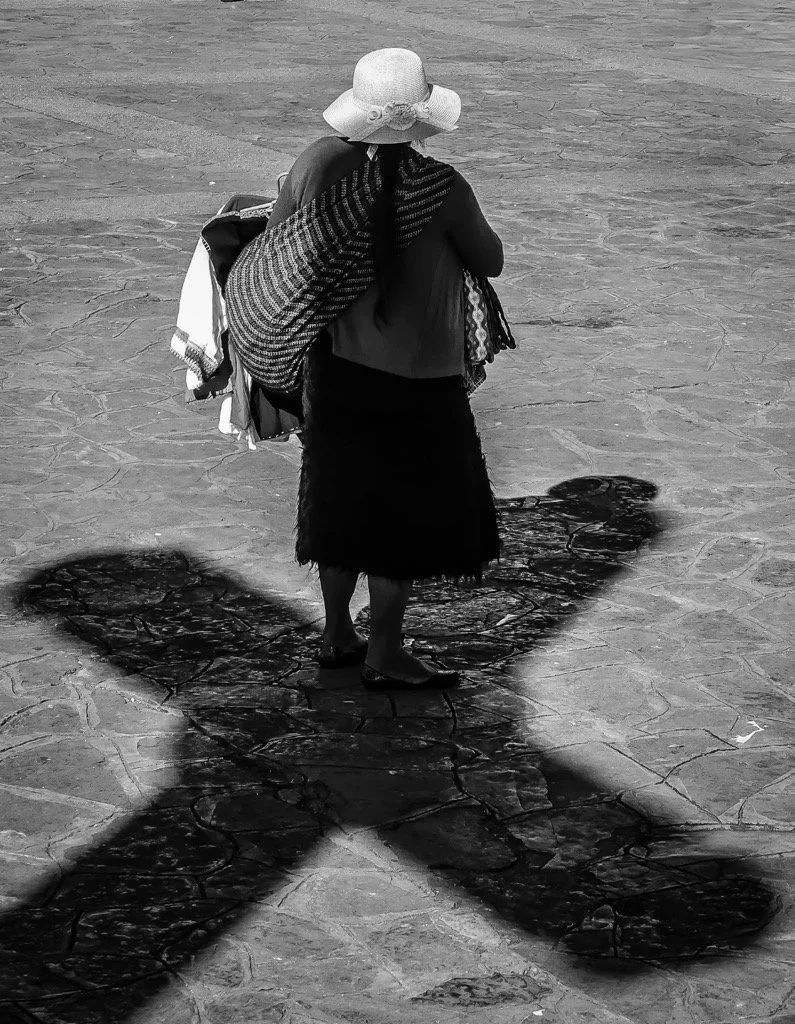
(c) Sven Delaye
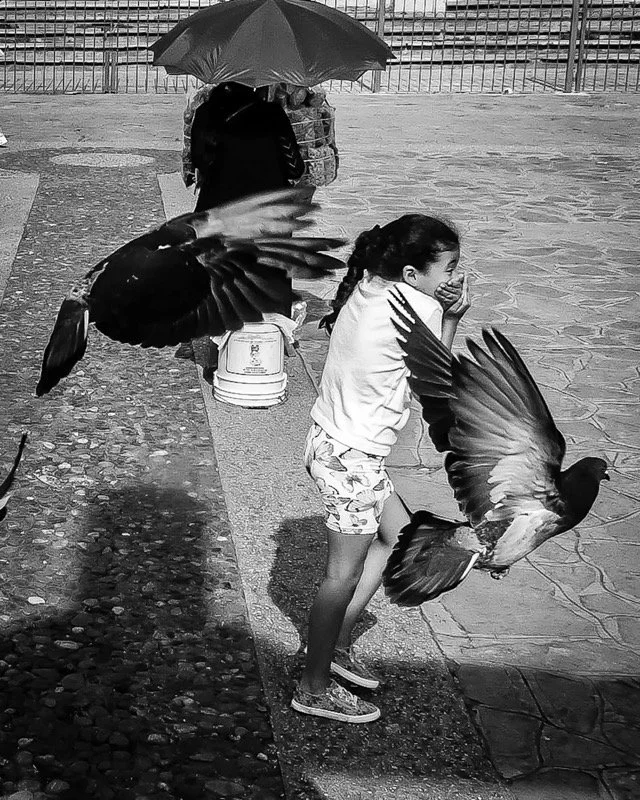
(c) Sven Delaye
What advice would you give to aspiring photographers?
Don’t focus too much on buying expensive equipment. The most important thing is not the camera you use, but your eye: how you see the world and what you choose to capture. Be patient, keep practising, and stay curious. And don’t forget to invest in a good pair of shoes, because street photography involves a lot of walking!
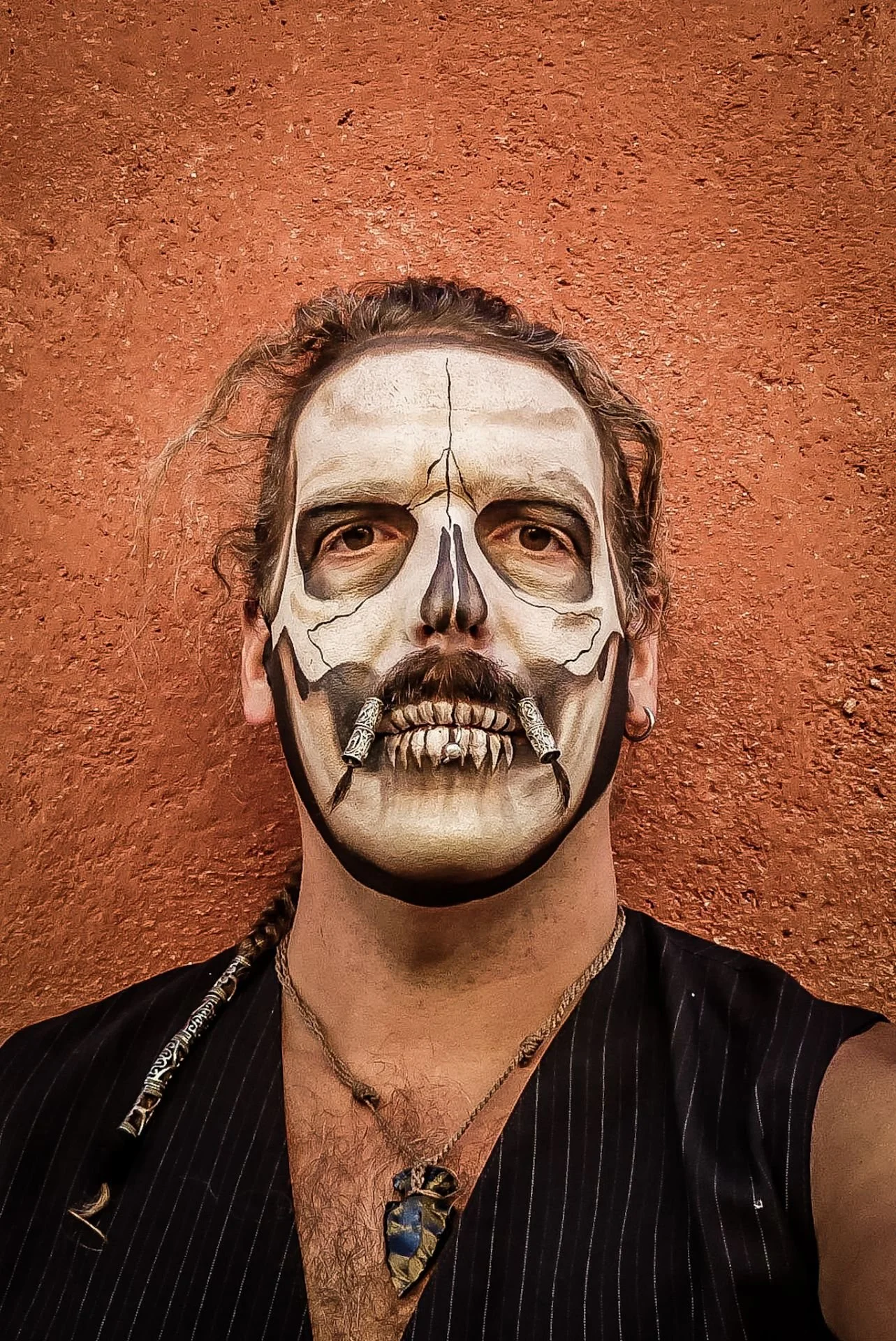
In Frame : Sven Delaye