
Taichi Naitou, Second Place Winner of the Pure Street Photography Awards 2026, Celebrated for Finding Originality in Chance, Juxtaposition and the Unexpected
An Exclusive Interview with Pure Street Photography
Discover how Taichi learned to let go of the photograph he hopes to find and respond instead to what appears before him, transforming chance encounters, reflections, humour and visual coincidences into images that feel distinctly his own.
Interview by Dimpy Bhalotia and Kamal Kumaar Rao
3/10/2026
(c) Taichi Naitou
(c) Taichi Naitou
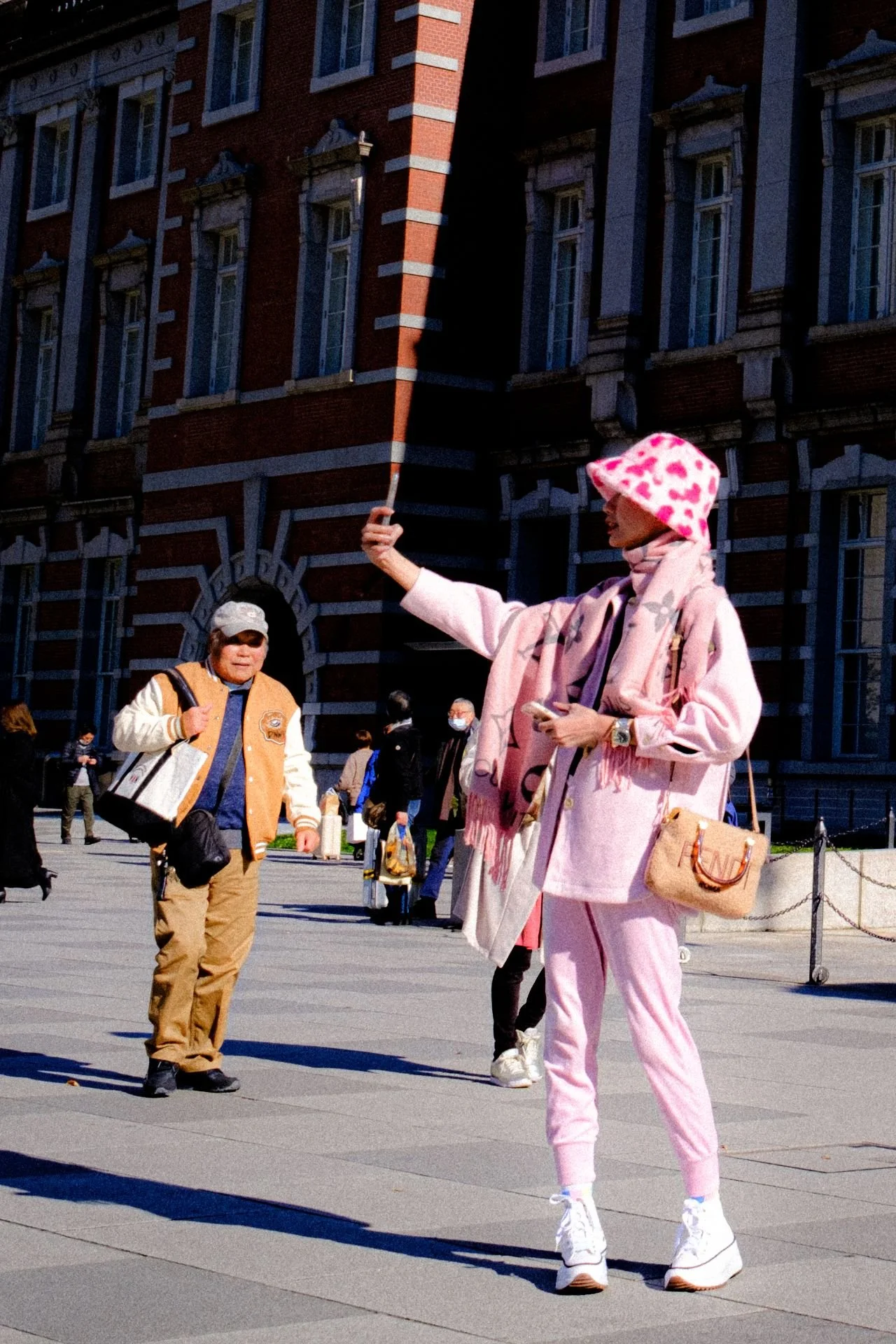
Congratulations on being awarded Second Place at the Pure Street Photography Awards 2026, Taichi! How does it feel to see your photograph go from an award submission to an internationally recognised winning image, receive worldwide press coverage from The Guardian to Forbes, and now be exhibited in Jaipur, India, in November 2026?
Winning Second Place at the Pure Street Photography Awards 2026 was a huge honor. I've tried a lot of different things over the course of doing street photography, but this was the first time I received any kind of ranking or award, and it gave me a real boost of confidence. More than anything, I'm happy that having my work recognized means more people get to see it.
As it happens, this same photograph is also set to be featured as one of the main pieces in the 2026 exhibition at the very photo show in Shibuya, Tokyo, that first inspired me to pick up a camera. This award-winning photo has become one that's brought my work in front of so many more eyes, and it means a great deal to me.
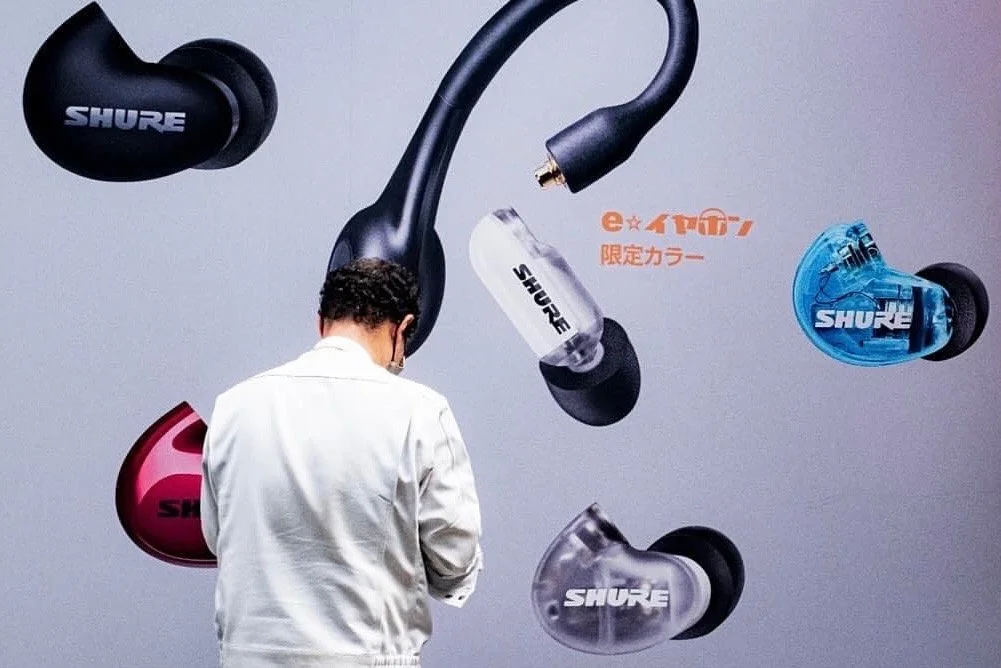
(c) Taichi Naitou (Japan), Second Place Winner, “Guuin”
We would love to know more about you! Who you are and where you're from? When did you start street photography?
Hi, I'm Taichi Naitou. I'm from Chiba Prefecture, Japan, and I'm currently based in Tokyo. I seriously started street photography around 2020. I'm drawn to moments of humor found in everyday life, as well as abstract, beautiful colors and shapes that the naked eye can't quite capture — those are the kinds of scenes I love photographing.
What inspired you to become a street photographer?
What led me to start shooting street photography was a photo exhibition held in Shibuya, Tokyo. There, I encountered the work of some incredible street photographers, and for the first time, I felt a strong pull: "I want to do this too." Not long after, I bought a small mirrorless camera and started heading out into the streets.
How would you describe your work in terms of style and/or approach?
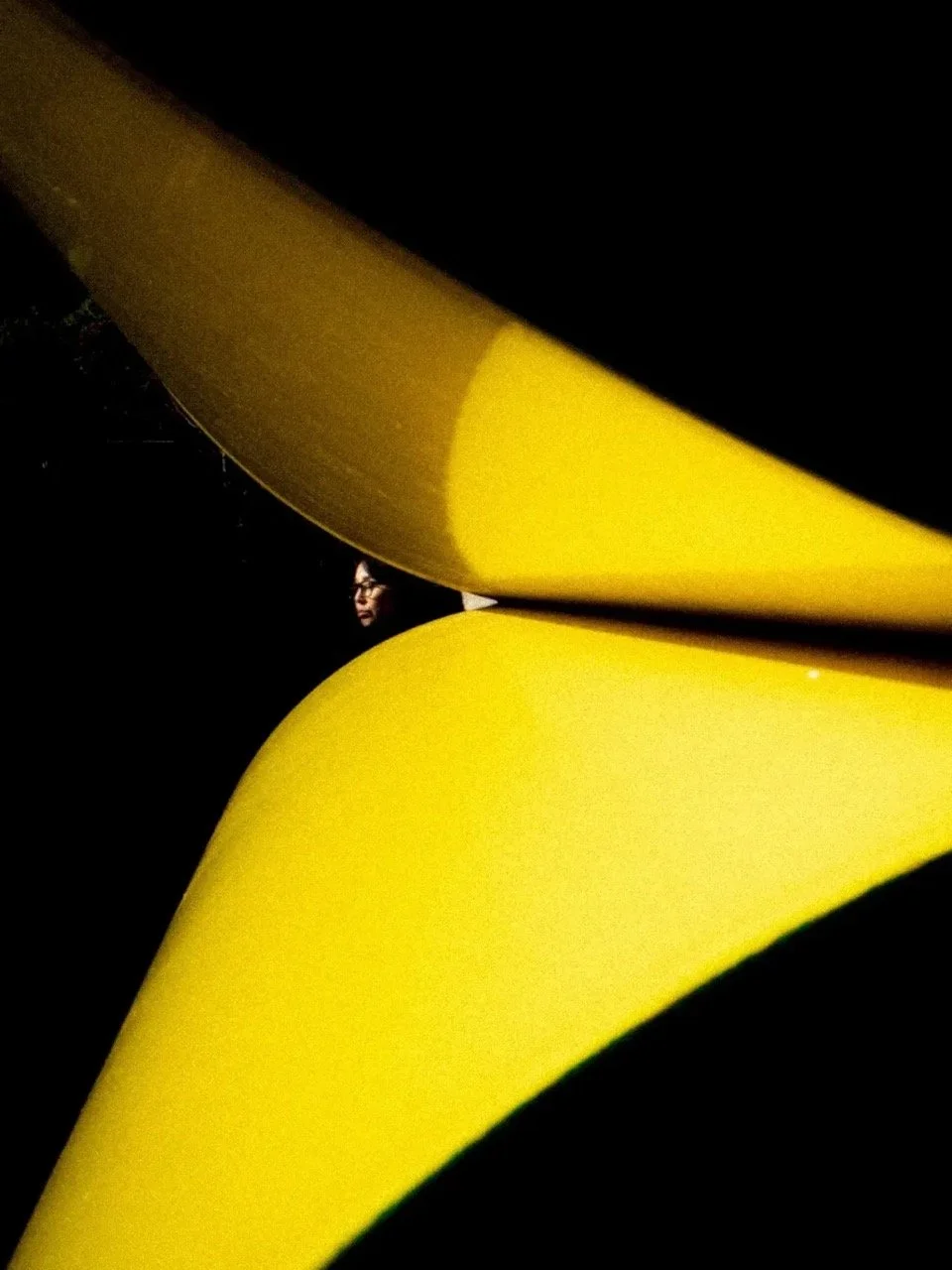
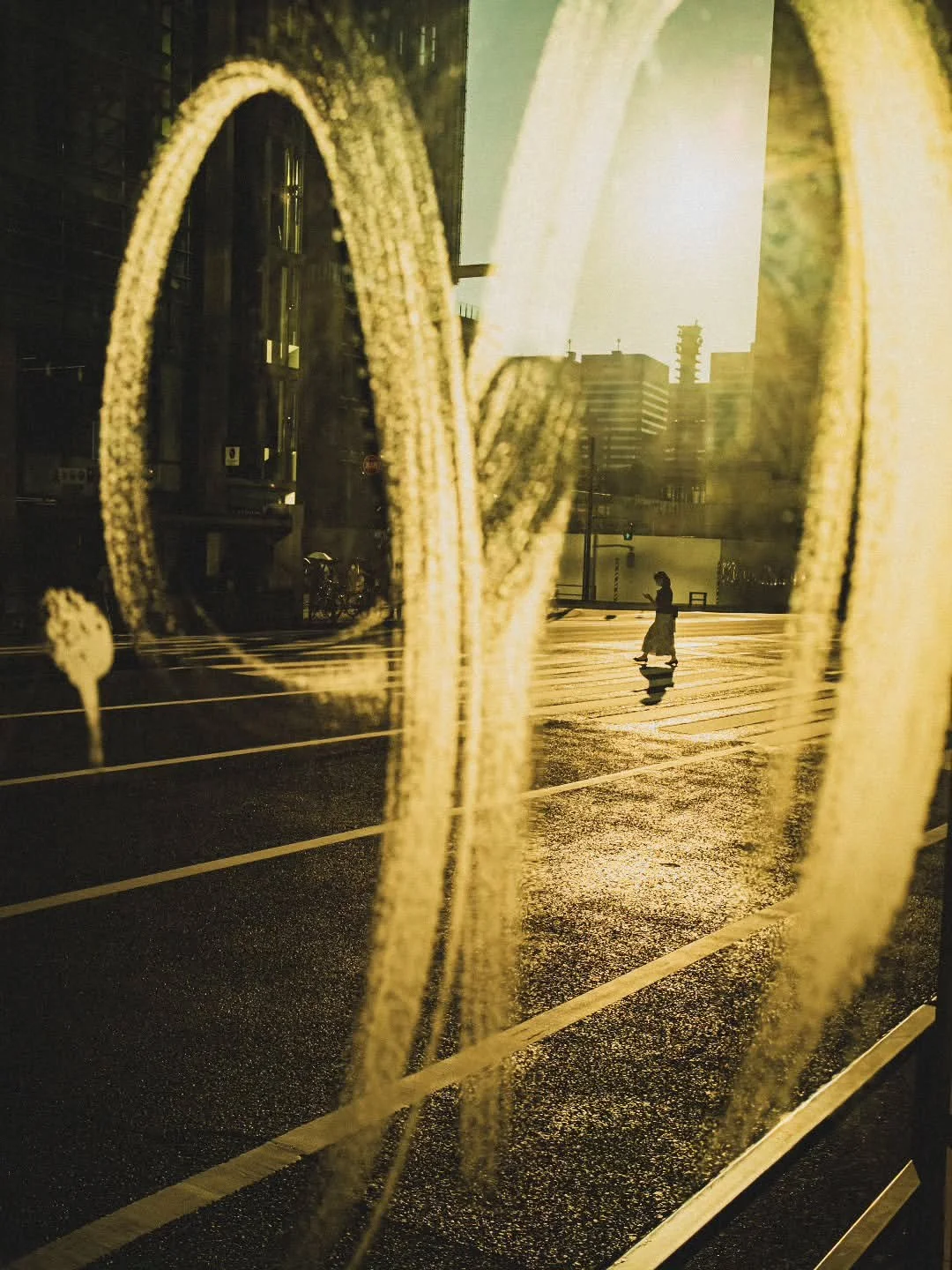
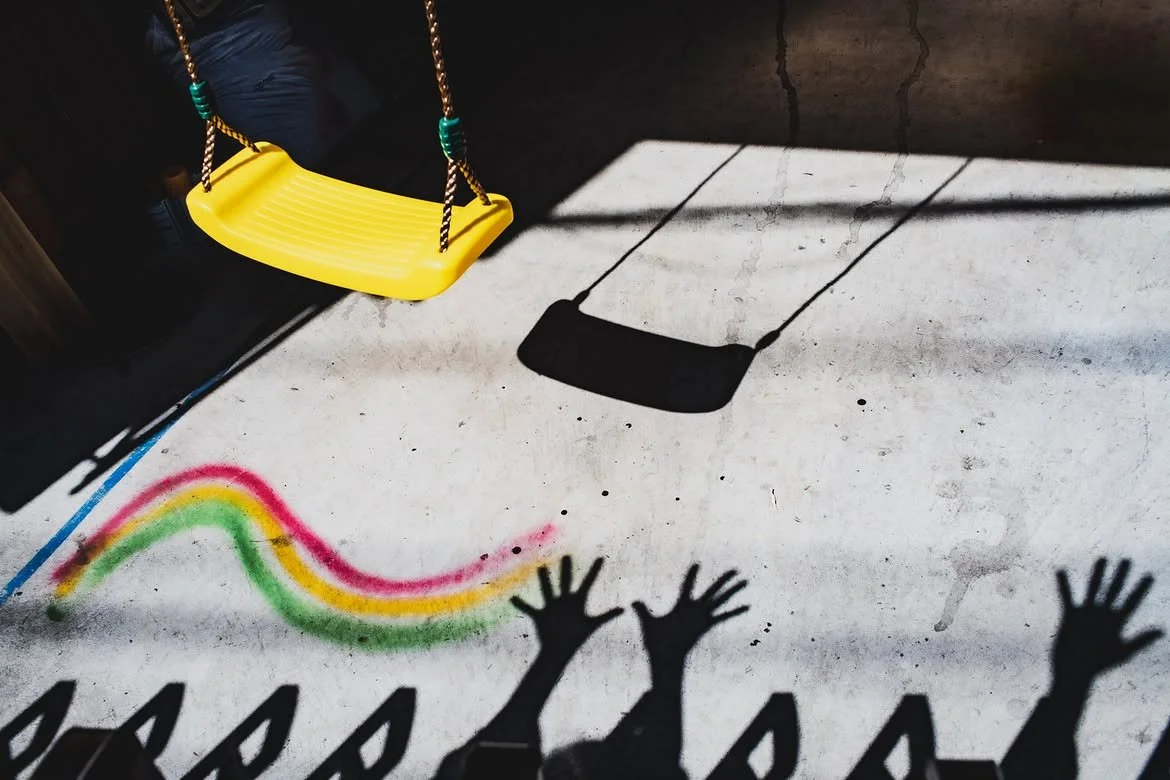
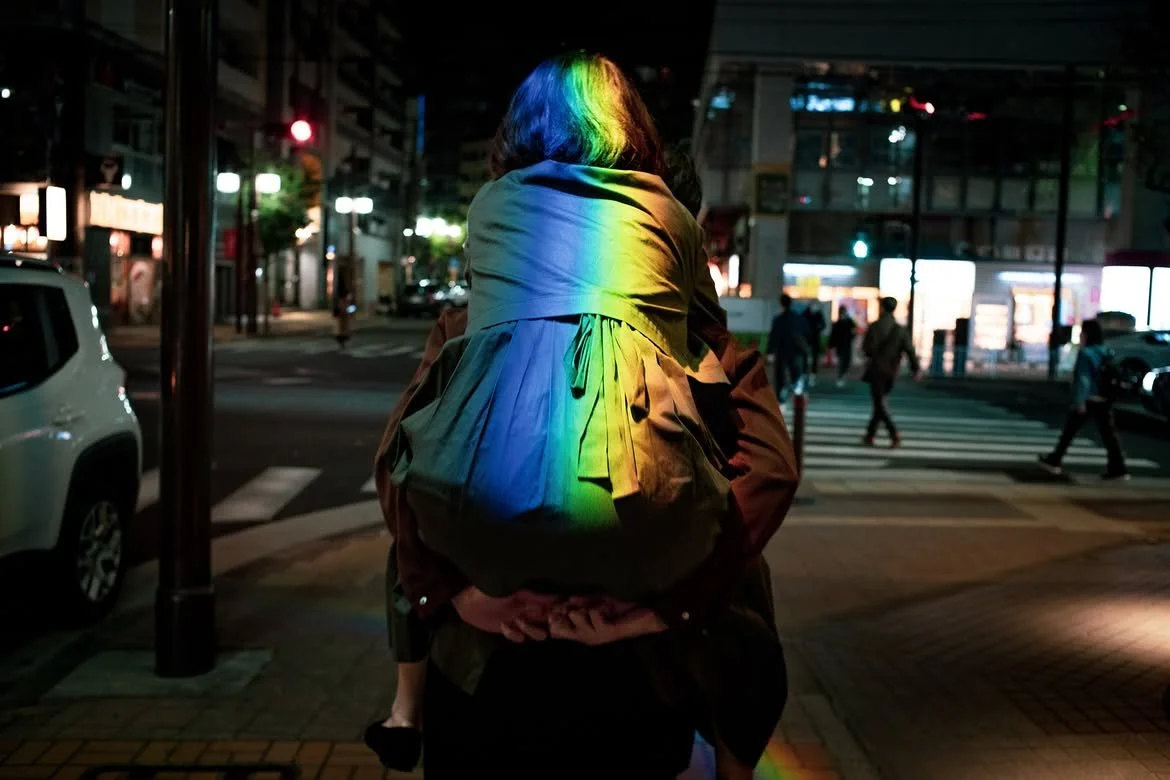
Not committing to a particular style or approach might actually be my approach. Sometimes I shoot humorous snaps built around juxtaposition; other times I experiment with abstract images using reflections off glass building facades in the city. I also photograph heartwarming or exciting moments I come across on the street.
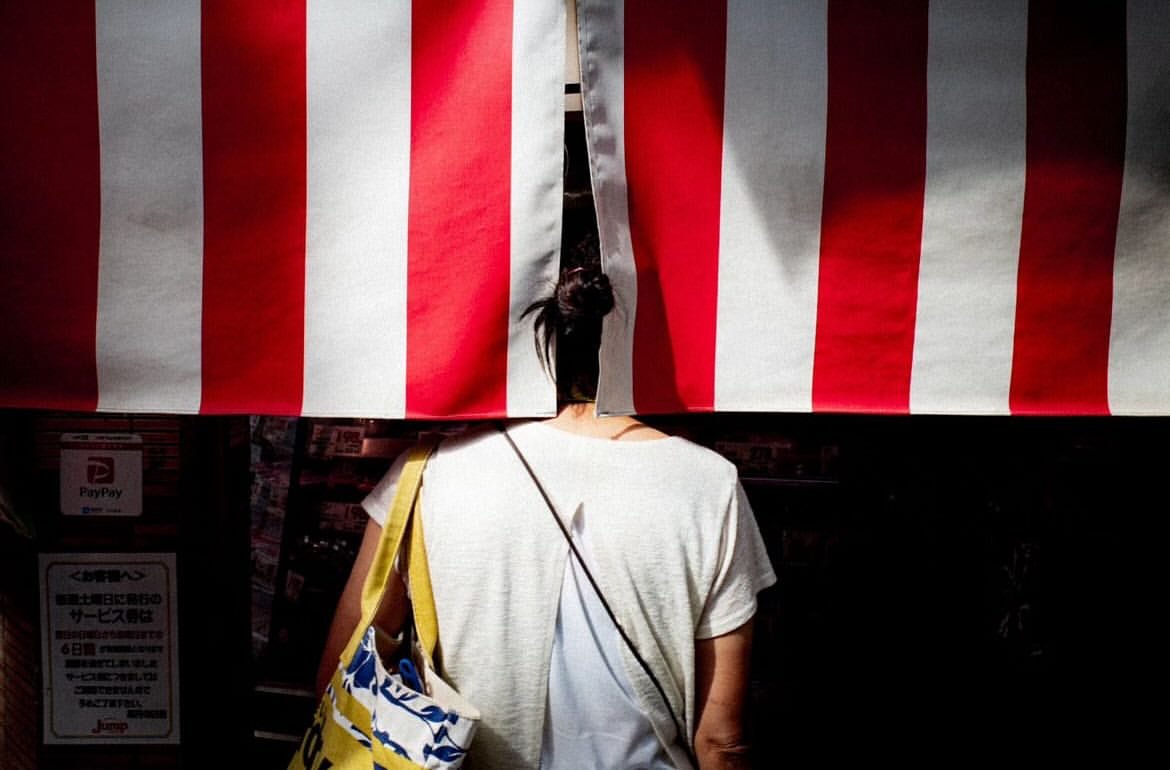
What ties it all together is that I don't prepare much — I let myself go with the flow of the city. I don't alter the scene in front of me; instead, I adjust my shutter timing and framing to shape chance encounters into something I find interesting. I think that's the defining trait of my work.
(c) Taichi Naitou
(c) Taichi Naitou
What is your photography routine like? Do you photograph every day?
I work a regular job, so I can't shoot every day. And honestly, for me, shooting every single day tends to make the act of photographing feel routine — to put it bluntly, it can lead to burnout. So I intentionally limit myself to shooting on weekends or while traveling.
As for my routine: before I really get into it, I walk around with my camera and just casually fire off some shots of whatever's in front of me. That warms my body up into "shooting mode" each time, so I'm ready to react quickly if something unexpected happens.
What camera or mobile device do you use for photography? Do you shoot digitally, on film, or a mix of both?
Lately I've been trying to use as wide a variety of cameras as possible. That said, I don't actually own that many — I mostly rent through a camera rental service to try out different ones. My main camera is the Fujifilm X100F, and I use rentals for most of the rest. I shoot with everything from Leica to iPhone, but ultimately, I believe what matters most — no matter which camera you use — is the photographer's eye.
That said, I try to limit myself to one camera per outing, two at most. That's to keep my full attention on what's happening in front of me. If I'm carrying two or more cameras, I end up thinking about which one to use in the moment, which pulls focus away from the scene. Ideally, I like to walk the streets with just one camera.
What challenges do you face when photographing on the street?
I often catch myself picturing the kind of shot I "want" to get, which pulls my attention away from what's actually happening in front of me. There's nothing wrong with having an image in mind of what you'd like to shoot — but once I'm actually out on the street with a camera, I think it's better to let go of that mental picture as much as possible.
If I hold onto that ideal image while shooting, I can't fully tune in to what's unfolding in the moment, and I end up missing genuinely valuable scenes. I can't stop those "I want to shoot this" thoughts from popping up entirely, but I try to suppress them and stay focused purely on what I'm seeing with my own eyes, right in front of me. That's the hardest part for me.
This feels especially difficult today, when we can see endless amounts of incredible photography online — it makes it easy to build up an idealized image in your head, and letting go of that to focus on what's actually in front of you is something I personally find really challenging.
Do you ever wonder what happens to the people in your photos?
I actually sat with this question for a bit, and — funnily enough — I've genuinely never thought about it, not even once.
(c) Taichi Naitou
(c) Taichi Naitou
In your opinion, what is the biggest misconception people have about street photography?
I think one common misconception is that a photo has to show someone's face, or has to include a person at all. Another is that, because of the word "street," the photo has to be taken on an actual street or in a public space — I think that's a misconception too.
Even without a visible face, even outside of an actual street, I believe the scope of what "street photography" covers is much broader than the name suggests. People tend to associate "street" with the outdoors or public spaces, but personally, I think it's just as valid to shoot indoors, or inside any kind of facility.
What are your favourite elements to capture in a street photograph? (light, colour, composition, human interaction, etc.)
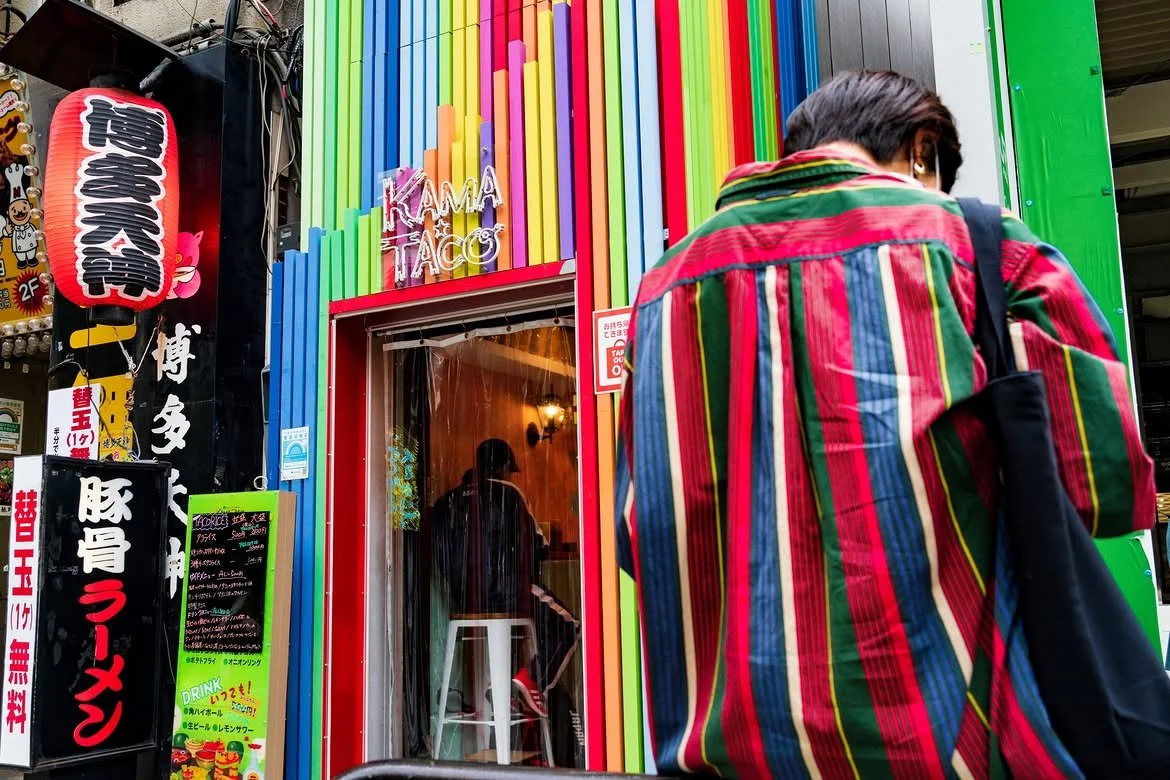
For humorous shots, I look for a connecting element between two different objects — essentially searching for opportunities for juxtaposition. Beyond that, I often pay close attention to layers — combining things like reflections off buildings and overlapping objects in complex ways, capturing a variety of colors in the process.
What is your take on social media influence on street photography?
I think social media's influence on street photography has both an upside and a downside. On the upside, it's easy to see incredible work from street photographers all over the world, which is a huge source of learning. But the flip side of that is, seeing so much great work so easily can make your own photos feel mediocre by comparison.
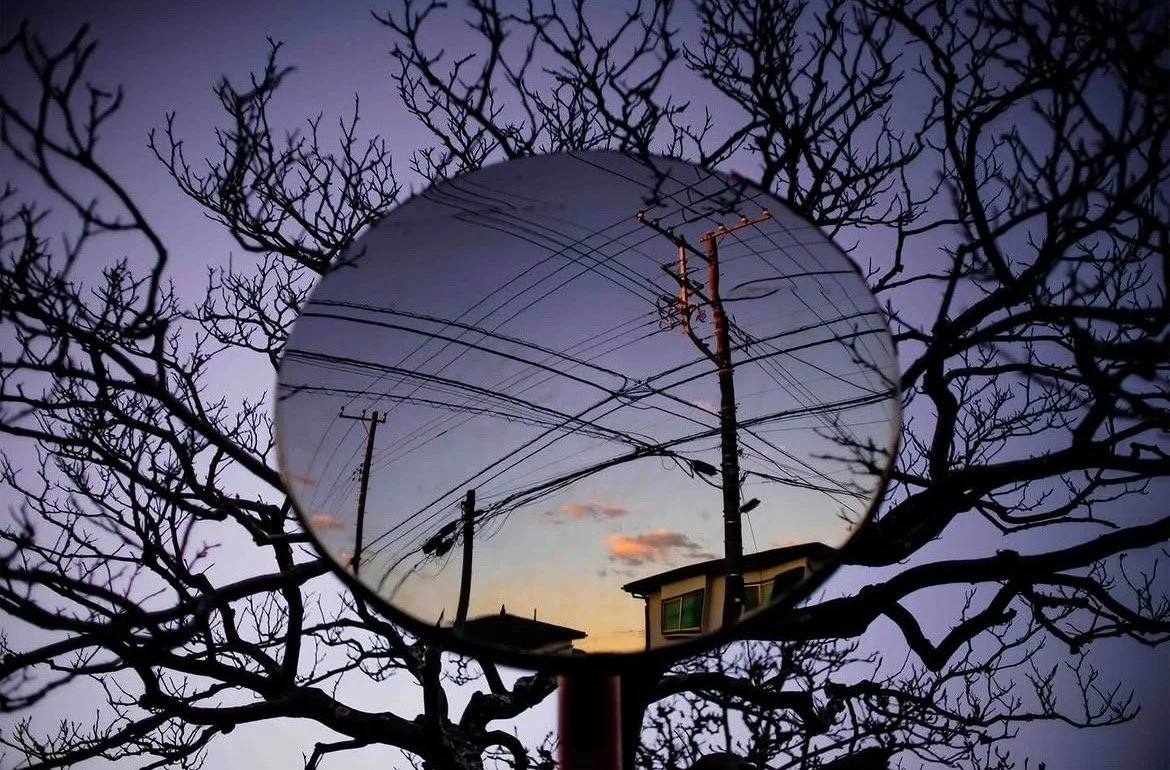
Also, one of the qualities I personally value in a "good photo" is that it doesn't feel like something you've seen before. So while browsing tons of photos on social media is educational, it also creates a bit of a dilemma — you can unconsciously start absorbing familiar compositions and ideas, which pulls you further away from the kind of unseen, original image you're actually trying to create.
Are your prints available for purchase? If so, where can art buyers and collectors contact you to purchase them?
Unfortunately, I'm not currently selling prints internationally. If you're in Japan, though, feel free to send me a DM — I may be able to work something out.
I've also self-published several issues of a ZINE, which are currently available, though only domestically for now. I'm looking into international shipping for both prints and ZINEs going forward. If you're interested, please reach out through my Instagram posts or DMs.
(c) Taichi Naitou
(c) Taichi Naitou
What advice would you give to aspiring photographers?
If you genuinely love photography, then just focus on continuing. Everything else is secondary. Your technique will improve as long as you keep going — that's simply a fact. What really matters is thinking strategically about what it takes to keep going. "I can keep going because I love it" is true for some people, but for most of us — myself included — love alone usually isn't enough to sustain it. So I'd say: start by figuring out what you need to do to keep going, and just as importantly, what you need to stop doing — in other words, what's standing in the way of you continuing to shoot.
In Frame : Taichi Naitou