
Yusuf Kathawala, An Exceptional Thoughtful Narrative Street Photographer Celebrated for His Powerful Sense of Place, Light and Time
An Exclusive Interview with Pure Street Photography
Discover how Yusuf photographs through instinct and daily practice, revealing quiet moments, cultural details and human presence within carefully observed environments.
Interview by Dimpy Bhalotia and Kamal Kumaar Rao
30/03/2026
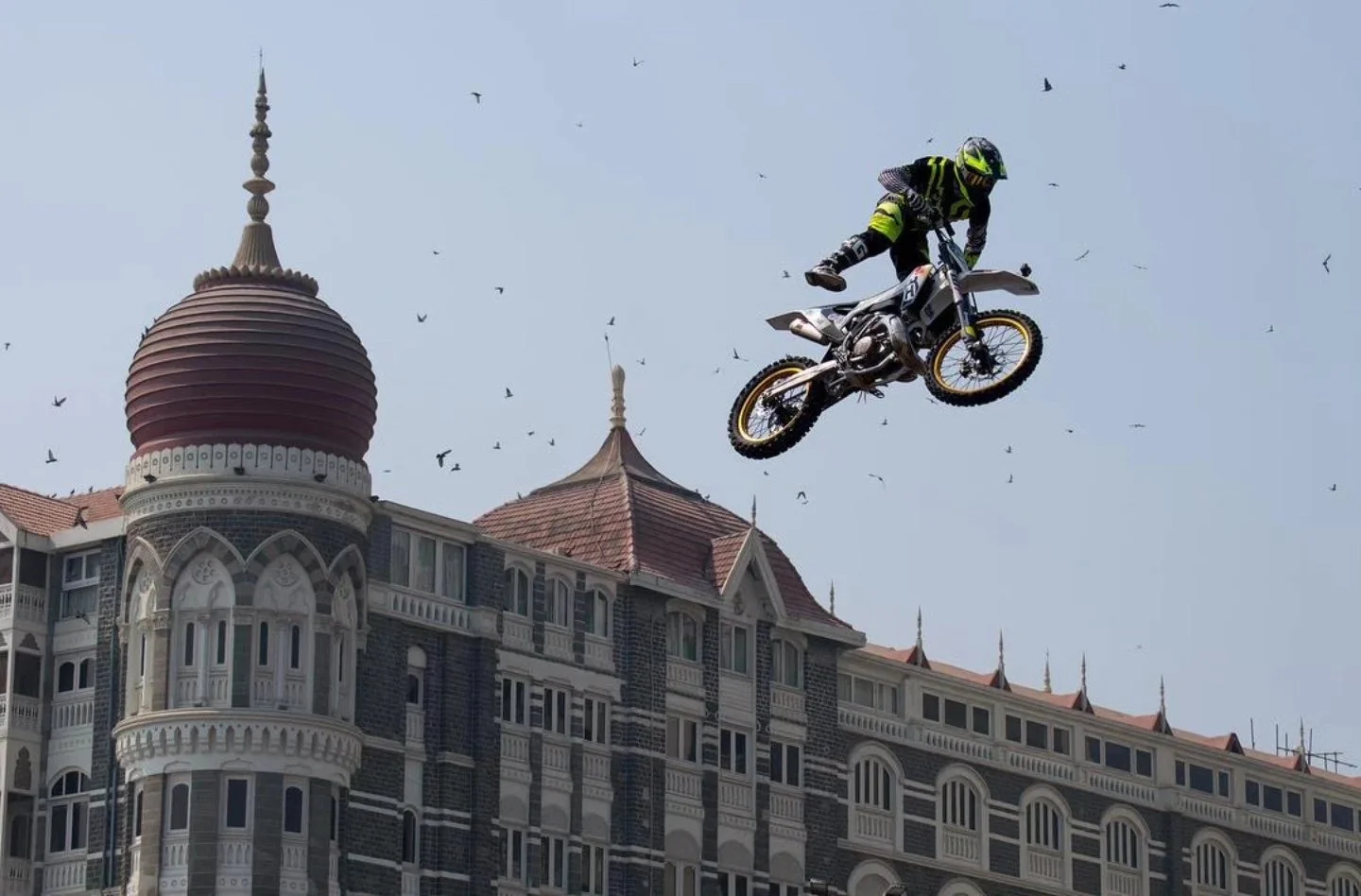
(c) Yusuf Kathawala
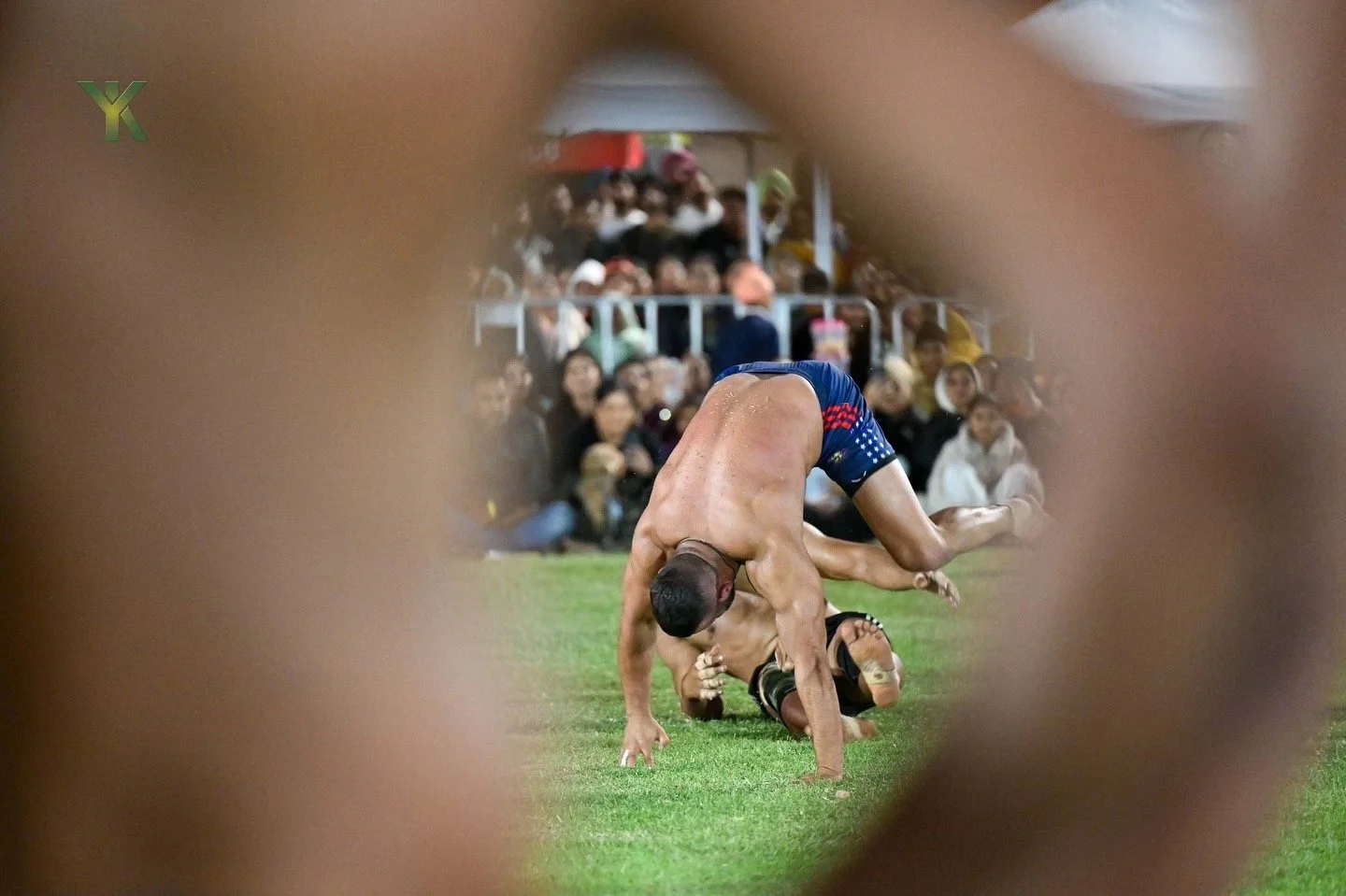
(c) Yusuf Kathawala
We would love to know more about you! Who you are and where you're from? When did you start street photography?
My name is Yusuf Kathawala, and I was born and raised in Mumbai. Two years ago, I moved to Perth, Australia with my wife to give life a much-needed break and explore new possibilities. My passion for street photography began around 8-9 years ago. When I discovered how powerful it is to capture candid moments and the stories of everyday life through a lens.
What inspired you to become a street photographer?
It’s incredible how a single conversation can spark something that shifts the entire course of your creative journey. The advice from Swapan Parekh about personal work really resonates—street photography, after all, is so much about capturing moments that you connect with, outside of client work or commercial projects. It's liberating to create something purely for yourself and express your own vision. It also helped me while working at Nikon India from 2011 to 2022, surrounded by some of the best in the industry and having access to the latest gear, gave me a unique perspective on photography. But it’s interesting how that moment of realisation with Swapan led me to focus on the true essence of photography—being free and spontaneous on the streets, where every moment is a new opportunity.
How would you describe your work in terms of style and/or approach?
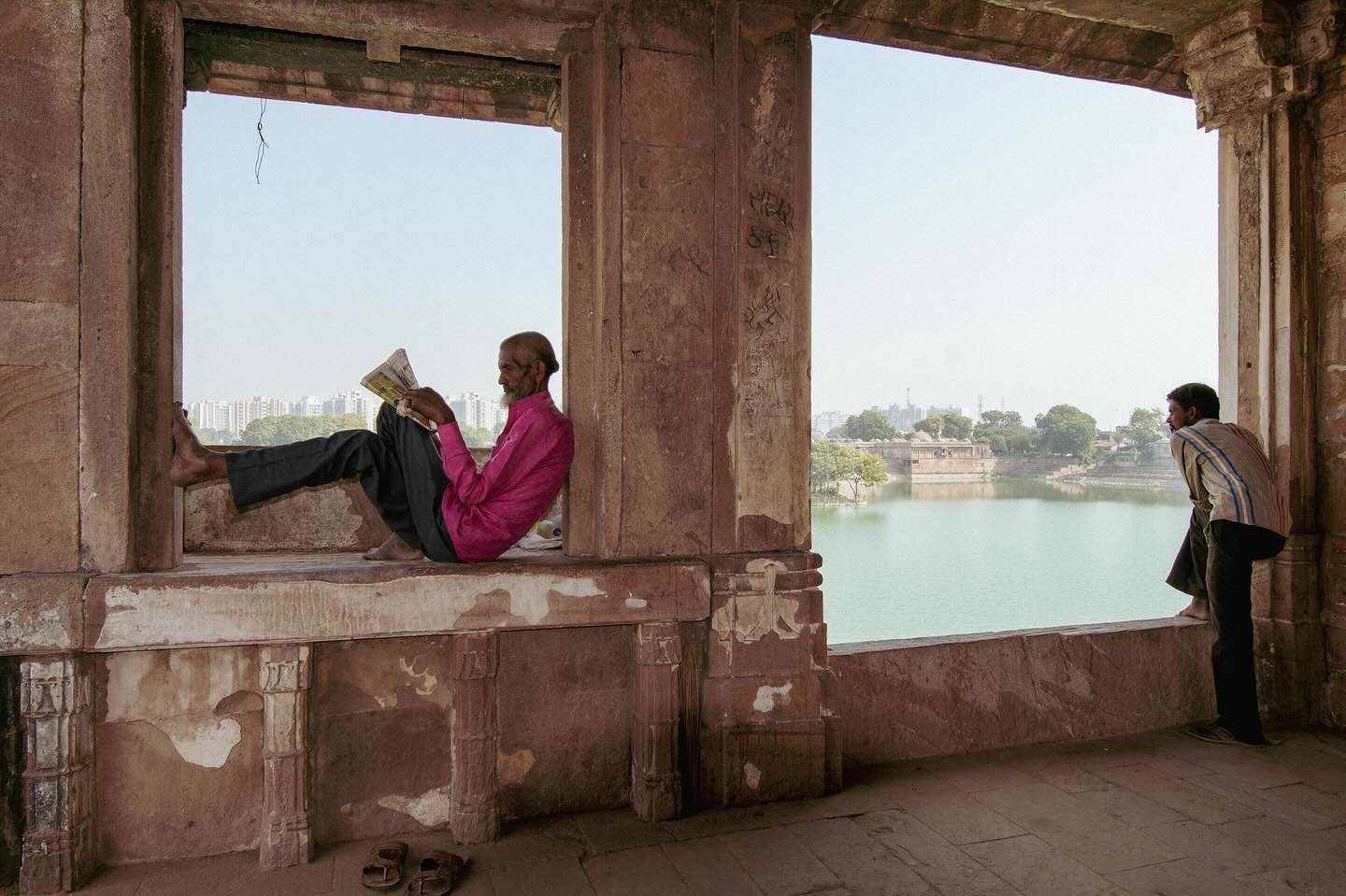
By aiming to capture not just the people but the essence of the place itself—its geography, history, culture, and life—creating a deeper narrative in street photography. It’s like my photos aren’t just snapshots, they’re little stories that connect the viewer with the space and the context. You’re not just documenting a moment, but offering a sense of time and place, which is really special. It’s more about trusting your instincts as you walk through the streets.
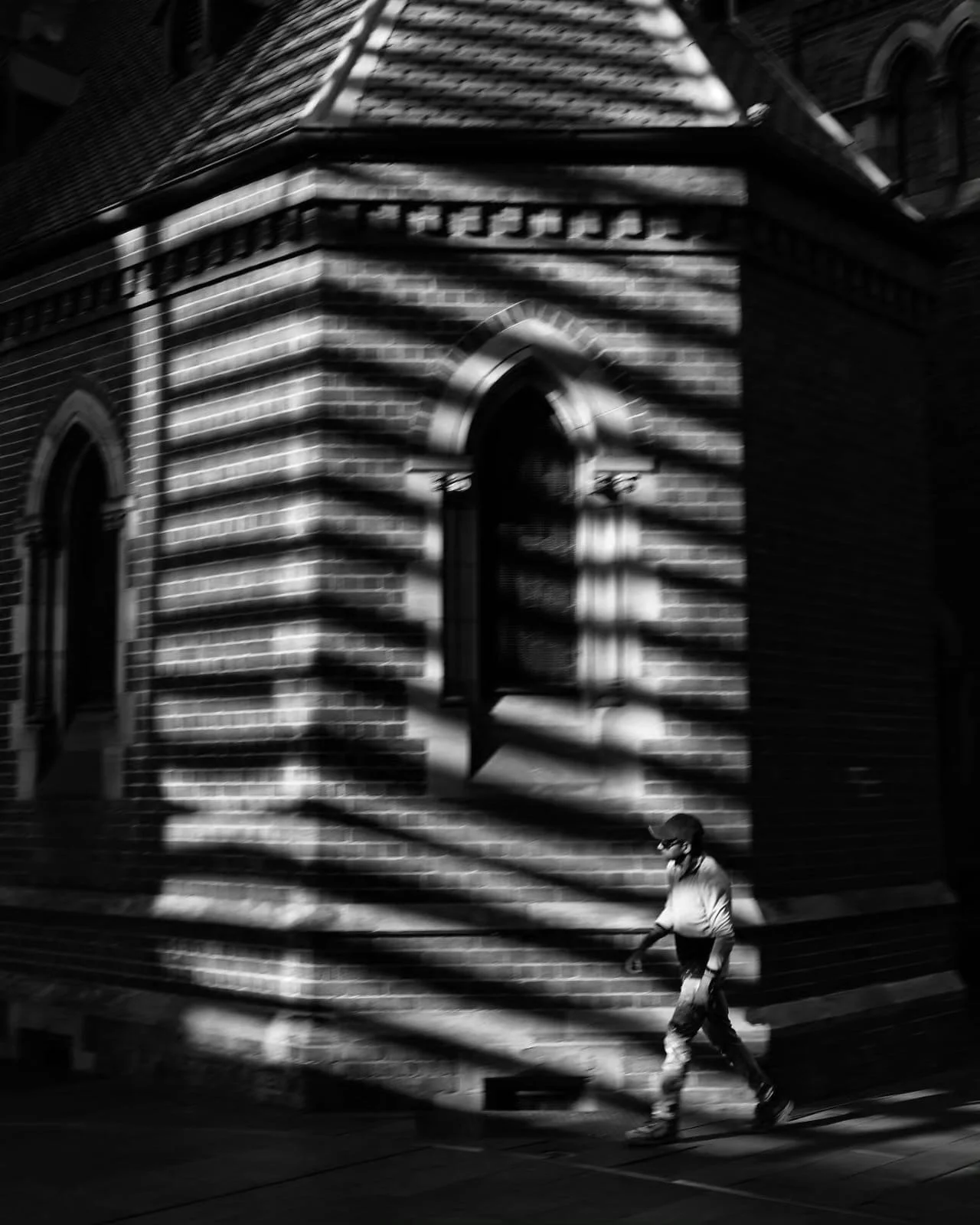
(c) Yusuf Kathawala
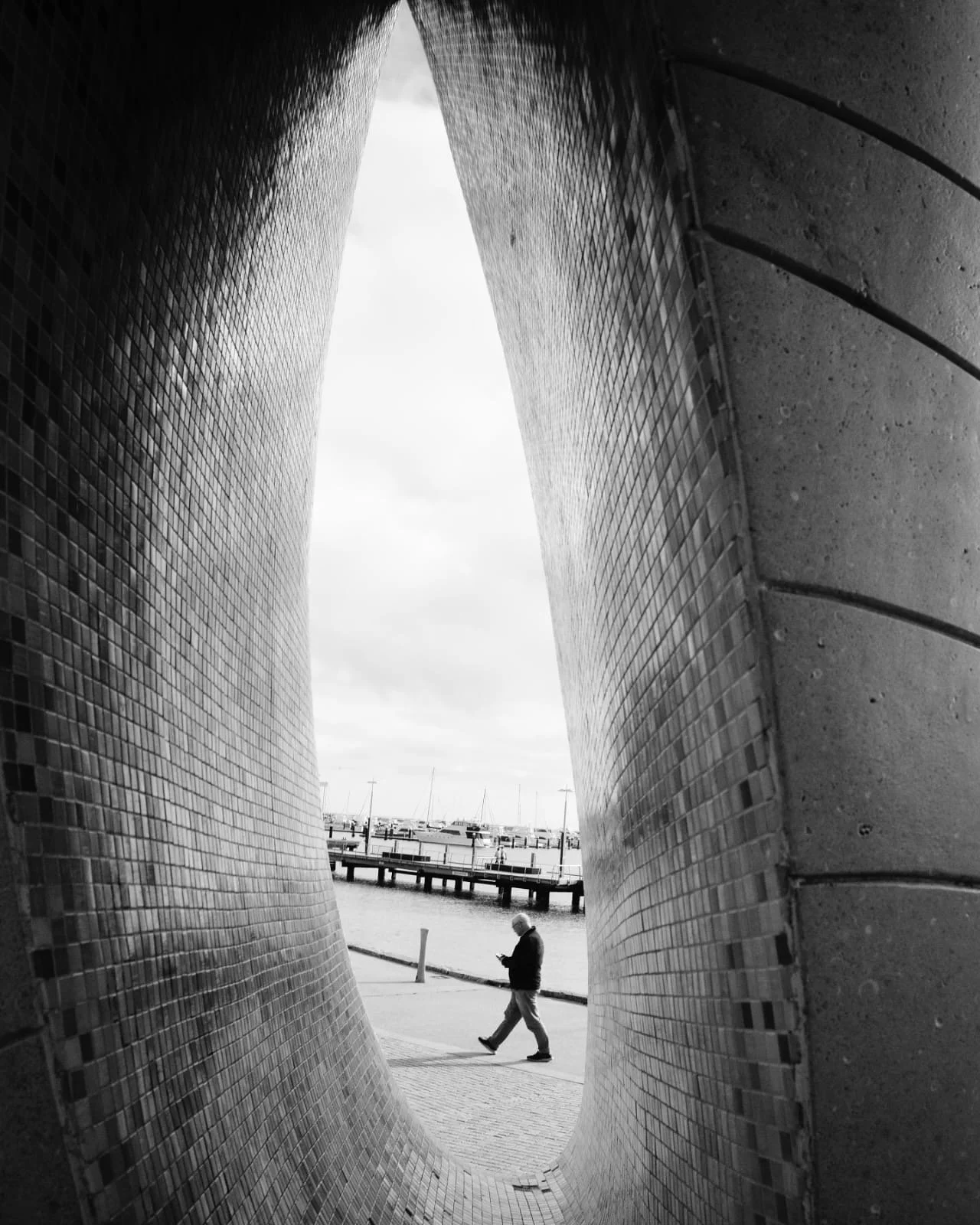
(c) Yusuf Kathawala
What is your photography routine like? Do you photograph every day?
Even when I'm not on assignments, I dedicate time to personal work—it's so important for keeping the creative spark alive. Shooting every day helps you stay in tune with your surroundings and constantly practice observing and capturing life in its rawest form.
What camera or mobile device do you use for photography? Do you shoot digitally, on film, or a mix of both?
The Nikon Coolpix A is my choice for street photography! It's compact, lightweight, and unobtrusive, which is perfect for capturing those spontaneous moments without drawing too much attention. And using an iPhone as well gives me even more flexibility, especially for candid shots when you don’t want to stand out too much. I shoot both digital and film—it gives me a nice balance of instant feedback with digital and the timeless, unpredictable quality that film offers.
What challenges do you face when photographing on the street?
Sometimes you see the perfect shot, but the moment just doesn’t line up. It could be timing, the angle, or unexpected obstacles that make it impossible to capture the scene the way you envisioned it. Street photography often feels like a dance with chance—many times, things can change in an instant, and those moments might slip away.
Do you ever wonder what happens to the people in your photos?
Definitely, that’s a thought that often crosses my mind. The people you photograph—especially in candid moments—are often unaware of the larger story you're trying to tell. It can make us wonder about their lives, what they’re thinking, or what they’ll be doing after the moment you capture them. Street photography captures a slice of their story, but you’re left with so many unanswered questions about their journey. And you're right, sometimes the people in the frame might notice you and wonder why they’re being photographed. That’s a delicate moment, where you’re trying to balance the ethics of photography with your passion for capturing life.
(c) Yusuf Kathawala
(c) Yusuf Kathawala
In your opinion, what is the biggest misconception people have about street photography?
One of the biggest misconceptions about street photography is that it's primarily about capturing the darker, more negative aspects of society, like poverty, homelessness, or slums. While those can certainly be powerful subjects in their own right, street photography is much more diverse than that.
What are your favourite elements to capture in a street photograph? (light, colour, composition, human interaction, etc.)
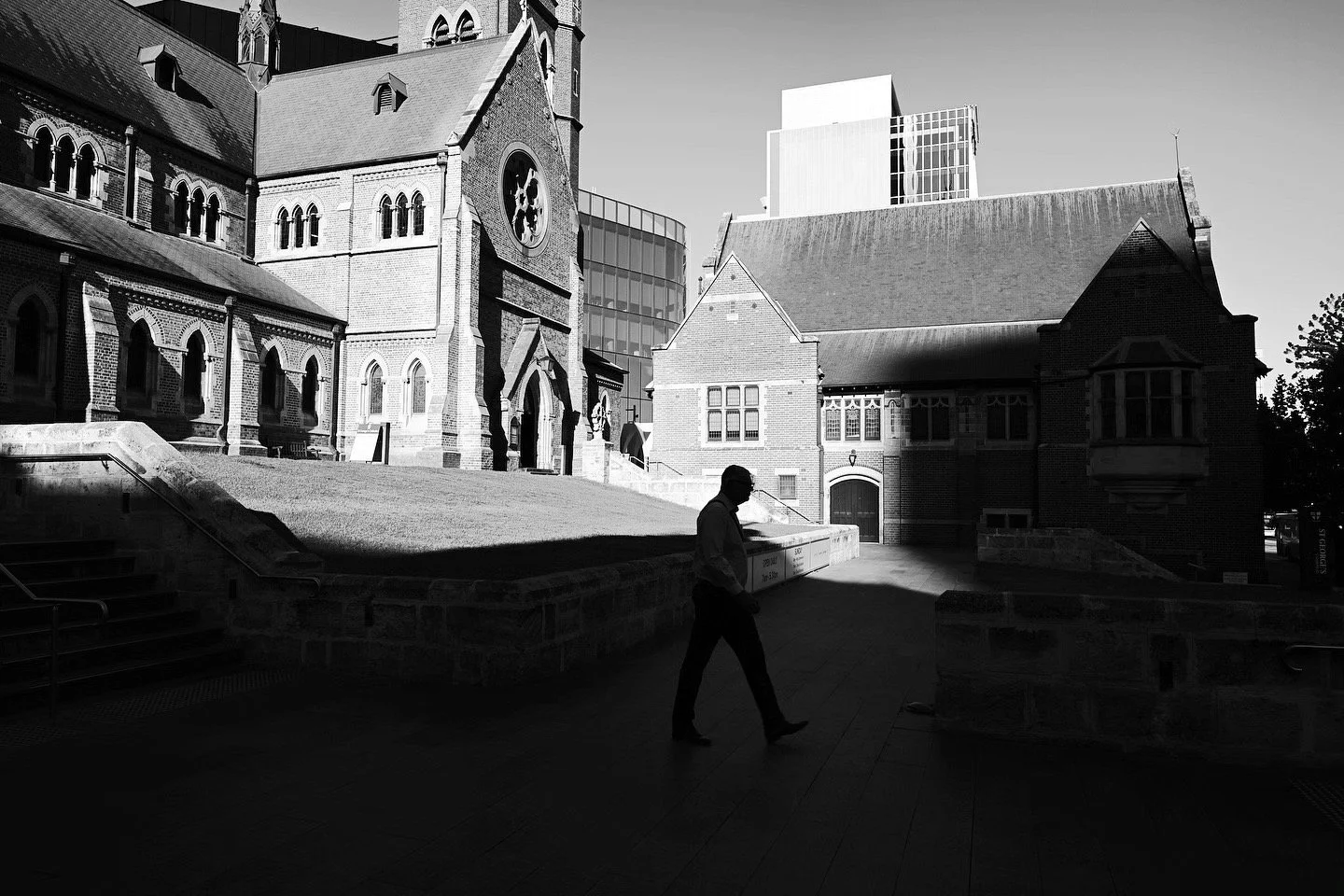
That combination of light, shadows, and human elements with architecture is such a strong formula for powerful street photography. The way light and shadows interact can add so much depth and mood to a shot, and when you add a human element into that mix, it brings the scene to life in a very dynamic way. Gorgeous architecture also adds a timeless feel to the frame—it's almost like a character in the scene itself, influencing the mood and guiding the viewer's eye.
What is your take on social media influence on street photography?
Social media has had a huge impact, and in many ways, it's opened up a whole new world of inspiration. Being able to see street photography from all corners of the globe has expanded the way we perceive the world and how we approach our own work. It can truly broaden your vision, showing how people in different cultures, cities, and environments express the same human experiences in different ways.
Plus, it’s a great platform for interaction. You can connect with fellow photographers, exchange ideas, and even learn from people whose work you admire. At the same time, it creates a community where you can get feedback and be inspired by others’ journeys. The accessibility of platforms like Instagram and others has definitely allowed street photography to thrive on a global scale.
On the flip side, some photographers have talked about how social media can sometimes create pressure to conform to trends or gain validation, which might lead to more staged or overly curated shots.
Are your prints available for purchase? If so, where can art buyers and collectors contact you to purchase them?
My website https://yusufk.com will soon have a platform for prints—being able to show my work directly to art buyers.
(c) Yusuf Kathawala
(c) Yusuf Kathawala
What advice would you give to aspiring photographers?
Being mindful and respectful when photographing in public spaces is crucial. The street is indeed a shared space, and it's important to be aware of people's privacy and comfort, especially in candid moments. A lot of the beauty in street photography comes from capturing spontaneous interactions, but it’s always essential to approach situations with empathy and respect for others.
For aspiring photographers, I'd also add that patience and observation are key. Sometimes, the best moments don’t happen right in front of you—they unfold quietly, and it takes time and practice to notice the subtle details in your surroundings. It's not just about capturing a scene; it’s about seeing the story behind it and letting your instincts guide you.
A huge thank you to Yusuf Kathawala for sharing his incredible journey.
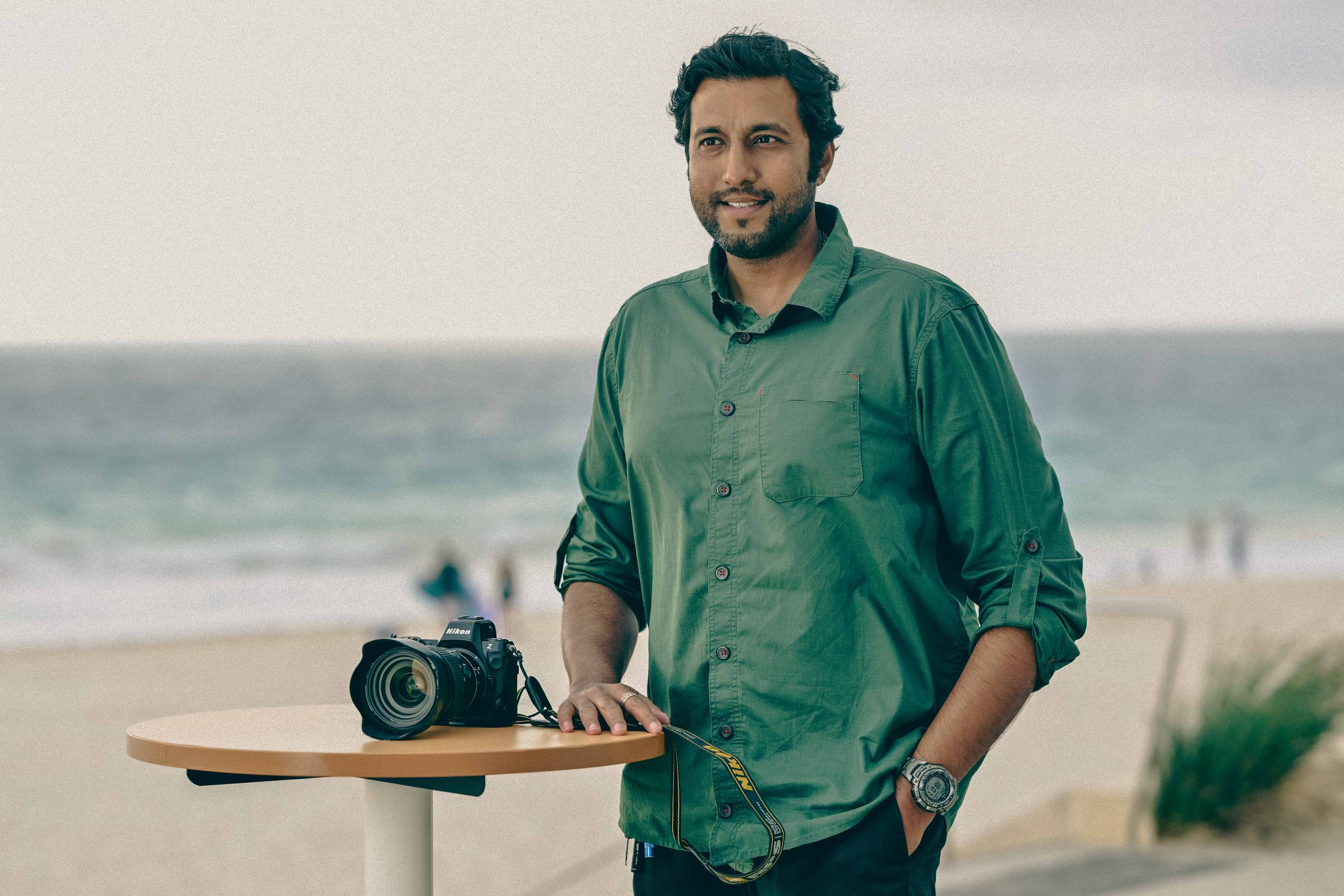
In Frame : Yusuf Kathawala